
Ice Dancing at the 2026 Winter Olympics: Gold, Rivalries and Scoring Scrutiny
Ice dancing at the 2026 Winter Olympics has become one of the most closely watched events in American sports coverage. At the center of attention are U.S. veterans Madison Chock and Evan Bates, chasing an elusive Olympic gold medal after years of near misses. At the same time, a newly formed French team featuring Guillaume Cizeron and Laurence Fournier Beaudry has added both technical intrigue and controversy. Together, the athletic stakes, judging debates and off-ice investigations have turned ice dance into a defining storyline of these Games.
Main Topic Overview
Ice dance is judged on technical precision, choreography, musical interpretation and execution. Unlike singles skating, jumps are limited; instead, the discipline rewards seamless footwork, lifts and timing. Because scores rely heavily on judging panels, even small differences in interpretation can decide medals.
In 2026, the event has unfolded as a duel between established American contenders and a reconfigured French pairing that includes one of the sport’s most decorated athletes. The competition has not only highlighted athletic excellence but also raised broader questions about scoring consistency and the impact of off-ice issues on Olympic narratives.
News Coverage
Winter Olympics: The skill and controversy of Guillaume Cizeron and Laurence Fournier Beaudry
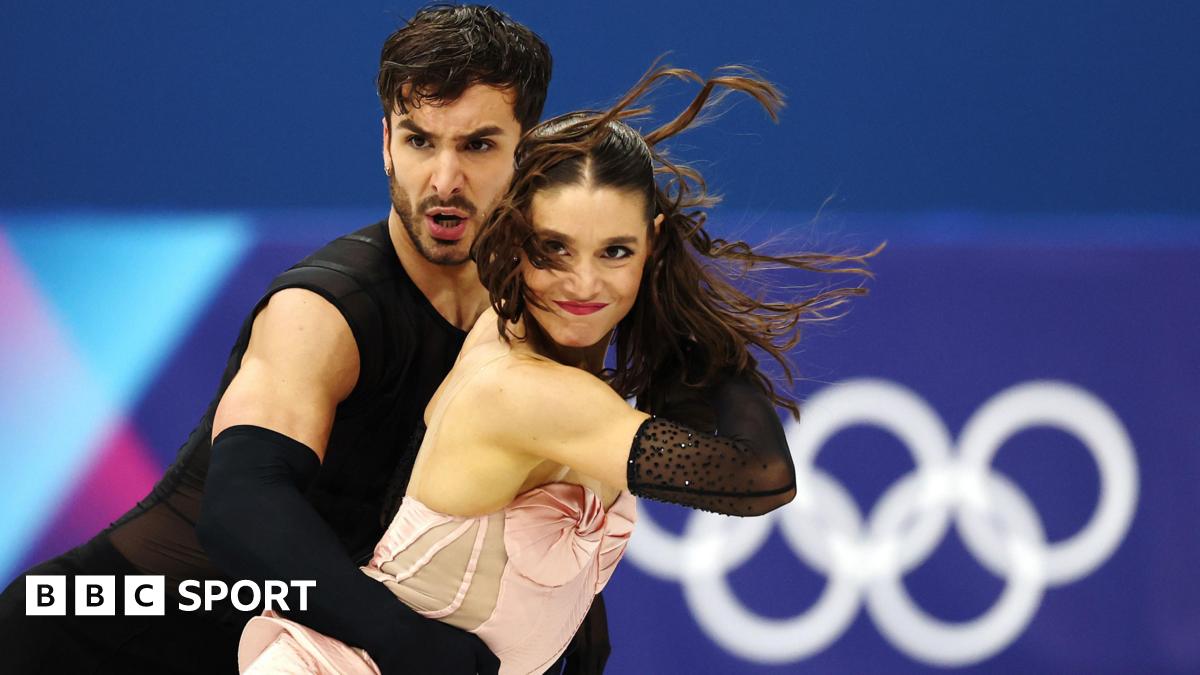
The BBC examines how Guillaume Cizeron’s return to Olympic ice with a new partner, Laurence Fournier Beaudry, has reshaped the competitive landscape. Known for his previous dominance in the discipline, Cizeron’s partnership represents both continuity of elite technique and a fresh competitive dynamic. The article also addresses questions surrounding judging and public perception, noting that artistic sports often invite scrutiny when margins are narrow. Within the broader Olympic context, this pairing has become central to discussions about fairness, reputation and how prior success influences expectations. Their presence has elevated both the technical standard and the debate around scoring interpretation.
Chock and Bates are going for their elusive gold medal after years of near misses

NBC News focuses on the long Olympic journey of Madison Chock and Evan Bates. After multiple Olympic cycles and podium finishes short of gold, the pair enters 2026 with experience and renewed determination. The coverage frames their campaign as a culmination of perseverance, emphasizing how small refinements in choreography and execution can determine medal color. In the context of the overall trend, their pursuit represents the American narrative of resilience set against strong European competition.
Dave Reardon: Ice dancing with prideful Hawaiian Chock a good encore to the Super Bowl

The Honolulu Star-Advertiser highlights Madison Chock’s Hawaiian heritage and the pride associated with her Olympic performance. The commentary situates her success within a broader cultural moment in American sports. By connecting Olympic ice dance to major national sporting events, the article underscores how figure skating can capture mainstream attention. This angle adds a regional and cultural dimension to the larger Olympic storyline unfolding in 2026.
Madison Chock, Evan Bates skate for Olympic gold medal in free dance

USA Today details the decisive free dance segment, explaining how scores are accumulated and how technical elements influence final rankings. The article clarifies the stakes entering the final skate and how close the competition remains. This reporting reinforces how narrow margins and program components can shape outcomes. It situates Chock and Bates within a tense medal battle, emphasizing the precision required to secure gold in an event where artistic impression is tightly evaluated.
Questionable Scoring and a “Sinister” French Pair: The Olympic Ice Dancing Drama, Explained

Vanity Fair explores public debate over judging decisions and the perception of favoritism or stylistic bias. While maintaining that scoring follows established criteria, the article explains why some viewers and analysts question specific component marks. In the larger trend, this scrutiny reflects a recurring Olympic theme: subjective scoring invites intense analysis when medal outcomes are tight. The discussion has amplified attention on both the American and French teams, shaping how audiences interpret results.
Olympics figure skating updates: Chock and Bates in 2nd after rhythm dance

Early results from the rhythm dance placed the U.S. pair narrowly behind their rivals, setting up a high-pressure free dance. USA Today outlines how each segment contributes to cumulative scoring and how rankings can shift between phases. This incremental coverage highlights the evolving nature of Olympic competition, where initial standings heighten anticipation. It also underscores how consistency across both segments is essential for medal contention.
An abuse investigation. A new French ice dance team. And a gold medal up for grabs

USA Today reports on an abuse investigation connected to previous partnerships within the French ice dance sphere. While separate from the current Olympic performances, the situation has influenced public perception of the new pairing. The article clarifies that the investigation adds complexity to an already high-stakes event. In the broader trend, off-ice developments intersect with on-ice results, contributing to the heightened attention surrounding ice dance in 2026.
Summary / Insights
Coverage of ice dancing at the 2026 Winter Olympics reveals several overlapping themes: a veteran American team seeking redemption, a high-profile French partnership reshaping competition, and renewed debate over judging standards. The event illustrates how artistic sports can combine athletic precision with subjective evaluation, intensifying public discussion.
Historically, Olympic ice dance has generated similar scrutiny when results are close. Building on earlier cycles, 2026 demonstrates how legacy, reputation and off-ice narratives can influence audience perception even when scores follow established criteria. The result is a competition that extends beyond choreography into broader conversations about fairness and transparency.
TL;DR
Ice dancing at the 2026 Winter Olympics centers on U.S. veterans chasing gold, a formidable French pairing, and debates over scoring and off-ice issues — making it one of the Games’ most discussed events.

Resources
Sources and references cited in this article.