

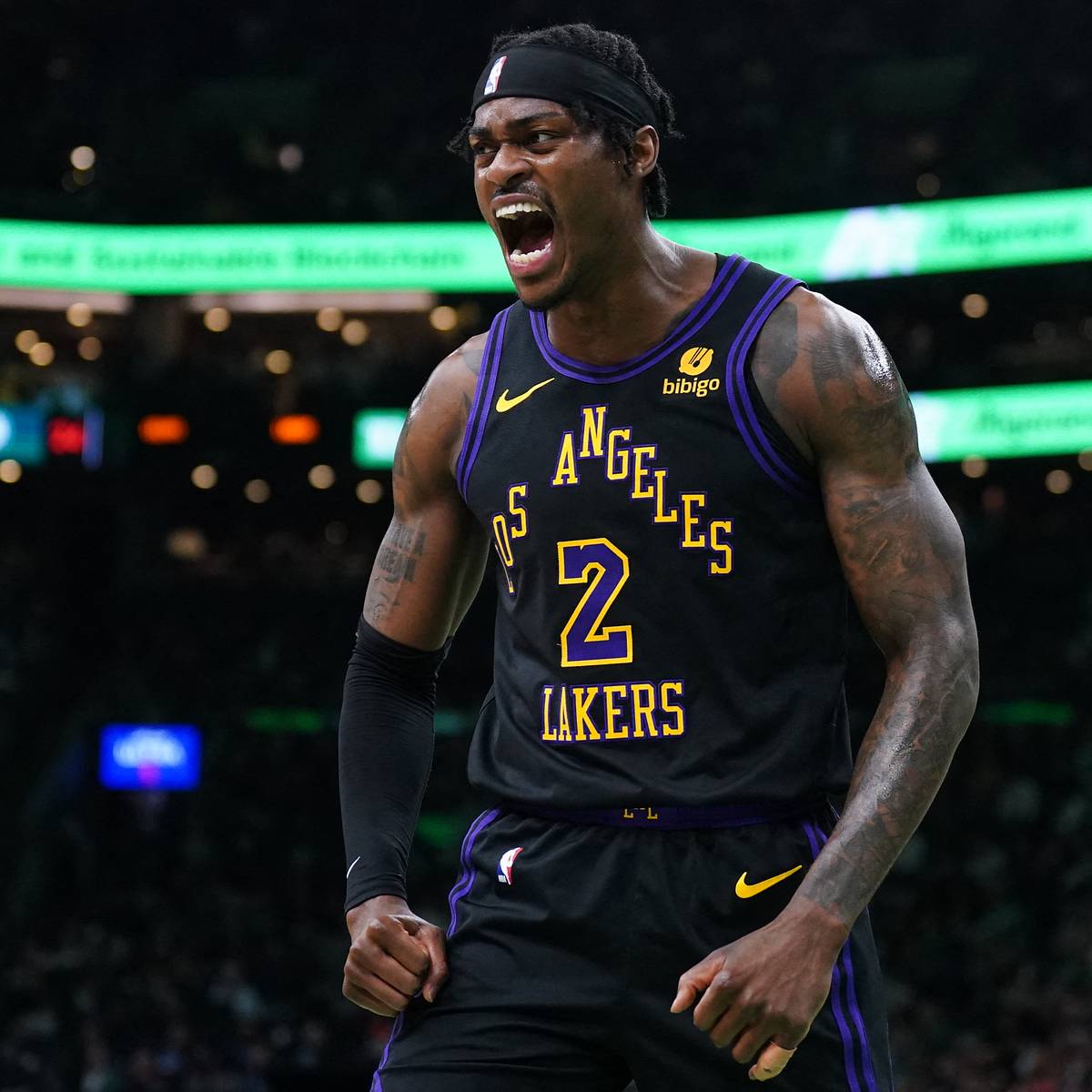
After sitting out the first four games of the NBA season, Jarred Vanderbilt has appeared in nine of the last 10 contests for the Los Angeles Lakers. That sudden shift marks a sharp turnaround for a forward who endured a public in-game spat with head coach JJ Redick late last season and survived offseason trade rumors. Fueled by frontcourt injuries and an unexpectedly dominant two-man pairing alongside Sandro Mamukelashvili, Vanderbilt has gone from an apparent roster castoff to an essential piece of Redick's rotation.
What the Deal Is
Rather than moving him in a trade or keeping him permanently glued to the bench, the Lakers have re-integrated Jarred Vanderbilt into their active game-day lineup as a high-energy frontcourt option and backup center. After starting the season out of the mix, Vanderbilt was reinserted into the rotation ahead of veteran big man Kevon Looney. His role solidified during Los Angeles' recent 131-123 victory over the Phoenix Suns, where Redick shortened his rotation to nine players and trusted Vanderbilt with the ninth spot over Adou Thiero.
The Key Details
Vanderbilt's resurgence is backed by stark lineup metrics and immediate roster circumstances across the Los Angeles frontcourt:
- Recent Availability: After four consecutive DNP-CDs to open the schedule, Vanderbilt has played in nine of the past 10 games, including 12 productive minutes against Phoenix.
- Lineup Efficiency: In 97 minutes sharing the floor with new backup big man Sandro Mamukelashvili, the two-man combination has posted a 14.4 net rating, driven by a 119.2 offensive rating and a 104.8 defensive rating.
- Injury Openings: Starting center Walker Kessler is sidelined with a leg injury, while Austin Reaves' recent absence and Adou Thiero's left ankle sprain further opened rotation minutes.
- Immediate Assignment: Vanderbilt is slated for significant minutes on Tuesday night against the Charlotte Hornets, matching up against aggressive offensive rebounders Moussa Diabate and Ryan Kalkbrenner.
Why It Happened
Vanderbilt's exile over the past year stemmed from a straightforward tactical mismatch: his limited offensive scoring made him difficult to hide on a roster that previously lacked perimeter firepower. Offseason trade efforts failed to materialize, leaving him in limbo entering the new campaign. However, two major shifts changed Redick's calculus.
First, Los Angeles upgraded its overall offensive talent, giving the coaching staff enough scoring punch to absorb Vanderbilt's offensive limitations while capitalizing on his relentless rebounding and defensive versatility. Second, the Lakers' thin depth at center—compounded by Kevon Looney's lack of mobility and Walker Kessler's leg injury—forced Redick to look for athletic alternatives in the paint. Pairing Vanderbilt with Mamukelashvili solved both problems at once, as Mamukelashvili stretches the floor and acts as a secondary playmaker while Vanderbilt covers for his defensive shortcomings.
He’s a great player. Him being able to be versatile on the offensive end, being able to stretch the floor, play-make, bring the ball up and being a secondary playmaker—also on defense, him being able to switch out, fly around and help on the boards. I think we’ve created a good tandem there. He provides a lot of size for us, too. Like I said, he spaces the floor for us and creates a huge mismatch for us.
What It Means for Both Clubs
For the Lakers, Vanderbilt's revival stabilizes a vulnerable frontcourt without requiring an immediate midseason trade. By deploying Vanderbilt and Mamukelashvili together, Redick can maintain elite defensive pressure and glass control without sacrificing floor spacing. For upcoming opponents like the Charlotte Hornets, that tactical wrinkle complicates interior game plans, turning what looked like a clear rebounding advantage for Diabate and Kalkbrenner into a physical, high-energy battle on the boards.
Reactions and What Comes Next
Inside the locker room, Vanderbilt has embraced the challenge of anchoring the second-unit defense and glass work, particularly with Kessler unavailable. Ahead of the matchup against Charlotte, Vanderbilt emphasized collective discipline on the boards, warning that controlling the Hornets' big men requires a unified approach.
It’s got to be more of a team gang effort when it comes to that.
While Vanderbilt's exact minute load may still fluctuate from game to game once injured teammates return, his 14.4 net rating alongside Mamukelashvili gives the analytically minded Redick strong reason to keep him in the nightly mix, as reported by Lake Show Life and Heavy.com.
Frequently Asked Questions
Why did Jarred Vanderbilt miss the start of the Lakers' season?
Vanderbilt did not play in the Lakers' first four games due to coach's decisions following an offseason of trade rumors and a late-season sideline spat with head coach JJ Redick the previous year.
Who is Jarred Vanderbilt pairing with in the Lakers' frontcourt?
He has formed an effective frontcourt duo with backup big man Sandro Mamukelashvili, posting a 14.4 net rating across 97 minutes played together.
Why is Jarred Vanderbilt getting more minutes at center now?
Starting center Walker Kessler is out with a leg injury, and Redick has preferred Vanderbilt's energy and mobility over veteran center Kevon Looney.
What did Jarred Vanderbilt say about facing the Charlotte Hornets?
Vanderbilt warned that containing Hornets offensive rebounders Moussa Diabate and Ryan Kalkbrenner will require a collective team gang effort on the glass.