

Jets CB Kris Boyd in Critical Condition After Midtown Shooting
New York Jets cornerback Kris Boyd remains in critical but stable condition after being shot in the abdomen outside a Midtown Manhattan restaurant and nightlife spot. The late-night shooting has stunned teammates, fans, and a league already sensitive to off-field safety concerns. This digest walks through what is known so far, how different outlets are framing the story, and what the incident might mean for the Jets and the broader conversation around gun violence and athlete security.
Main Topic Overview
According to multiple reports and police statements, Boyd, 29, was shot shortly after 2 a.m. near West 38th Street in Midtown Manhattan, outside a popular Asian restaurant and club. He suffered at least one gunshot wound to the abdomen and was rushed by first responders to Bellevue Hospital, where he has been listed as critical but stable while undergoing treatment. Investigators say the shooting followed some form of dispute that escalated, with the suspect fleeing the scene in a luxury SUV; as of the latest reporting, no arrests have been made and the motive is still unclear. Boyd, a special teams standout and veteran cornerback who previously played for the Vikings, Cardinals, and Texans, signed a one-year deal with the Jets but has been on injured reserve this season following shoulder surgery.

For fans in the United States, this story sits at the intersection of sports, public safety, and urban nightlife. Coverage has focused on three main themes: Boyd’s condition and road to recovery, the still-unanswered questions about what sparked the confrontation, and what the incident says about persistent gun violence in major cities. As details continue to emerge, media outlets are updating timelines, highlighting eyewitness accounts when available, and quoting both team officials and city leaders calling for calm, patience, and prayers.
News Coverage
Exclusive | Jets cornerback Kris Boyd in critical condition after NYC shooting
The New York Post’s early reporting frames the shooting as a dramatic late-night escalation outside a trendy NYC club and restaurant, emphasizing both the celebrity aura of the venue and the chaos that followed the gunfire. Law-enforcement sources quoted in this coverage describe an argument turning violent, with two shots reportedly fired before the gunman fled in a high-end vehicle. By leaning heavily on anonymous police and nightlife sources, the story establishes the basic facts of time, place, and Boyd’s initial critical status while hinting at a still-developing investigation. Within the broader trend, this article sets the tone for a narrative that combines tabloid urgency with legitimate concern over yet another high-profile shooting in a crowded urban corridor.
Report: Jets’ Kris Boyd in critical condition after shooting

NBC Sports builds on the initial breaking news by situating the incident firmly within the NFL context, reminding readers that Boyd is a seasoned special teams contributor with stops in Minnesota, Arizona, and Houston before landing in New York. Their coverage underscores that this is not just a crime blotter item but a serious blow to a Jets locker room already reeling from on-field struggles and injuries. In describing Boyd as critical but stable, NBC introduces a cautious note of hope while emphasizing that details of the altercation itself remain sparse. The piece reflects a broader media pattern: moving quickly from basic police facts to what the shooting means for the player’s career trajectory and the Jets’ season narrative.
Jets' Kris Boyd in critical condition after being shot in NYC
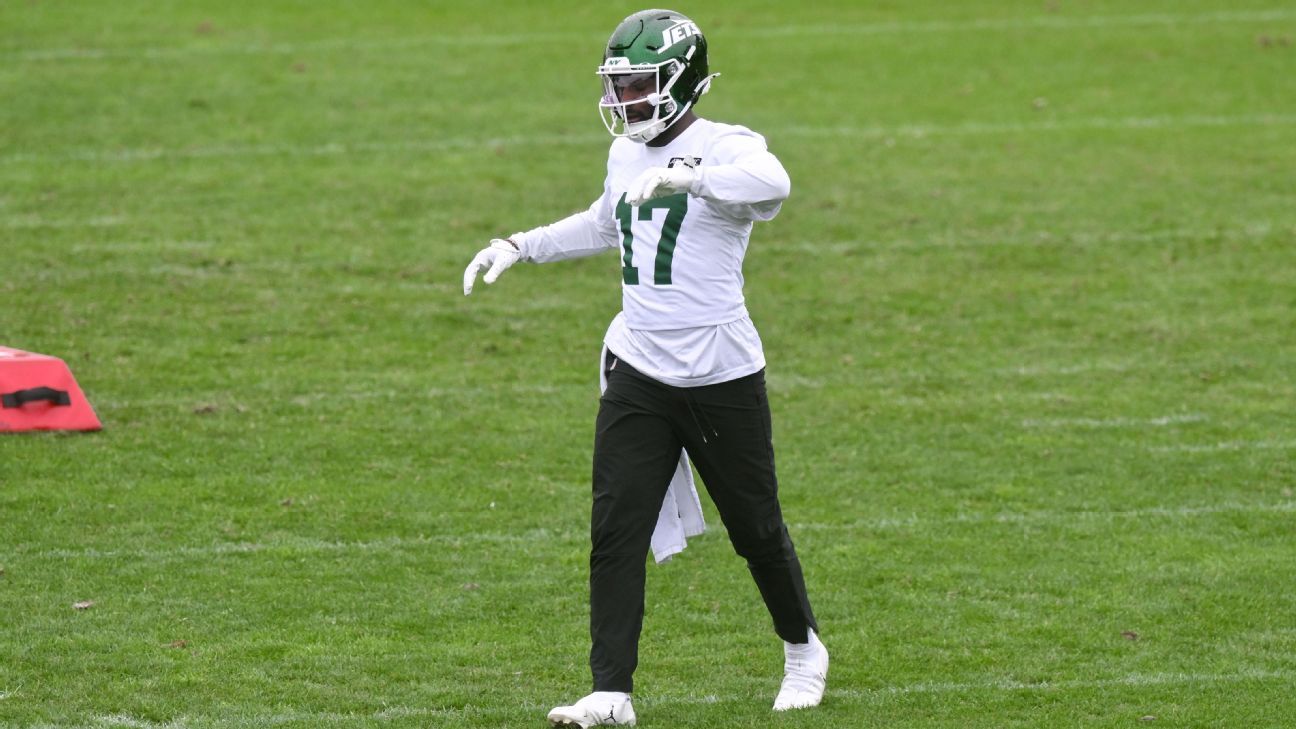
ESPN’s report leans heavily on confirmed information from the NYPD, emphasizing the early-morning timing, the West 38th Street location, and the fact that no arrests had been made. By clarifying that Boyd was transported by EMS to Bellevue Hospital and that he is on injured reserve with a preexisting shoulder injury, ESPN ties together off-field and on-field realities in a way that resonates with hardcore football fans. The article also notes public reactions from teammates and New York City officials, including social media messages calling for prayers and unity. This blend of factual precision and human reaction situates Boyd’s case within an ongoing conversation about player safety, nightlife risks, and the emotional toll of sudden trauma on teams and fan bases.
NY Jets cornerback Kris Boyd in critical condition after shooting in Midtown Manhattan
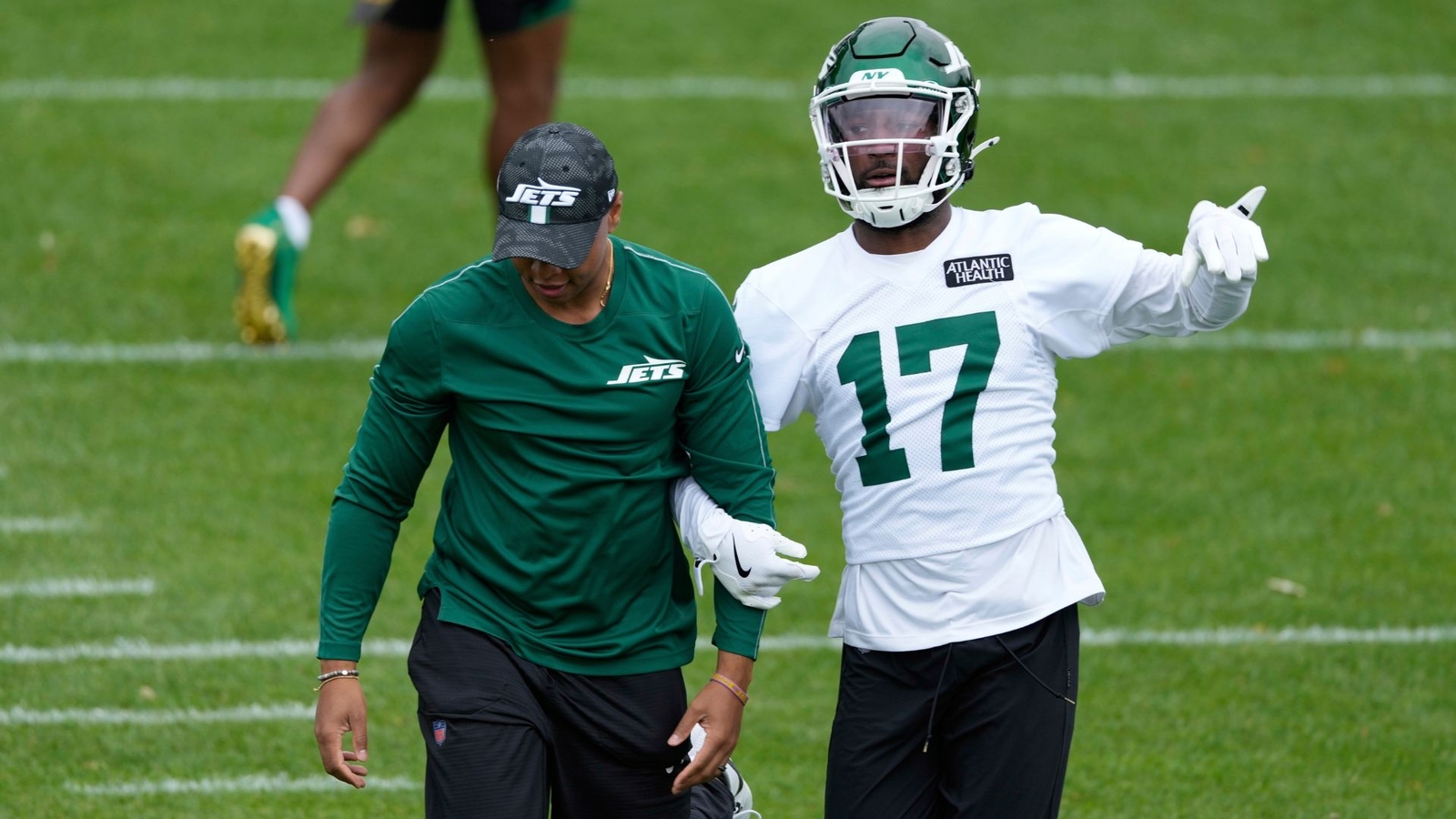
ABC7’s local TV-style coverage zooms in on the New York angle, spotlighting Midtown Manhattan as both a bustling nightlife district and a site of yet another high-profile shooting. Their report anchors readers with on-the-ground details: the approximate time of the incident, the emergency response, and the search for a suspect believed to have fled in a blue BMW. ABC7 also explains Boyd’s contract situation and the fact that he has not yet suited up for the Jets this season due to a preseason shoulder injury, showing how quickly a player’s fortunes can swing from professional frustration to life-threatening danger. As part of a broader media pattern, this article highlights how local outlets often emphasize public safety implications and neighborhood concerns alongside the sports-world shock.
New York Jets player Kris Boyd in critical condition after being shot in abdomen
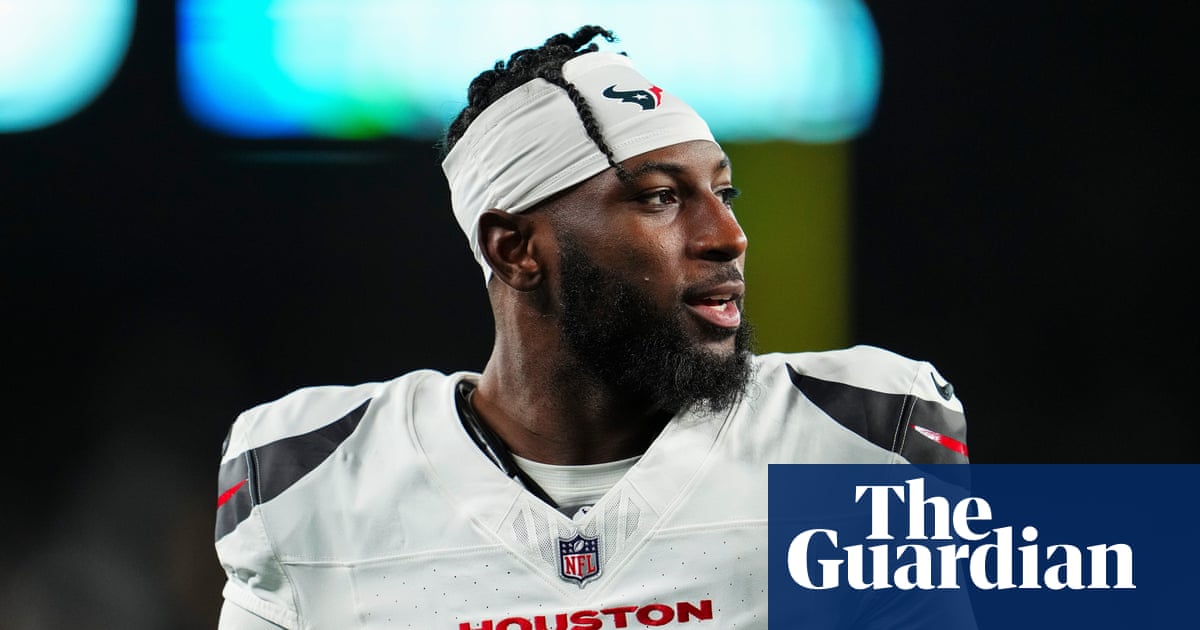
The Guardian offers a more international lens, introducing Boyd to readers who may not follow every depth chart in the NFL. Their coverage stresses his status as an American football professional caught up in gun violence, a theme familiar to global audiences who often associate U.S. sports with larger societal debates. By summarizing his career path across several franchises and underscoring that the shooting occurred in one of the world’s most visible cities, the article places the incident within conversations about both American gun culture and the vulnerabilities of athletes off the field. In the larger trend, this perspective reminds readers that incidents involving NFL players reverberate far beyond U.S. borders and shape how American sports are perceived worldwide.
Jets' Kris Boyd shot in abdomen: Critical but stable condition after NYC shooting
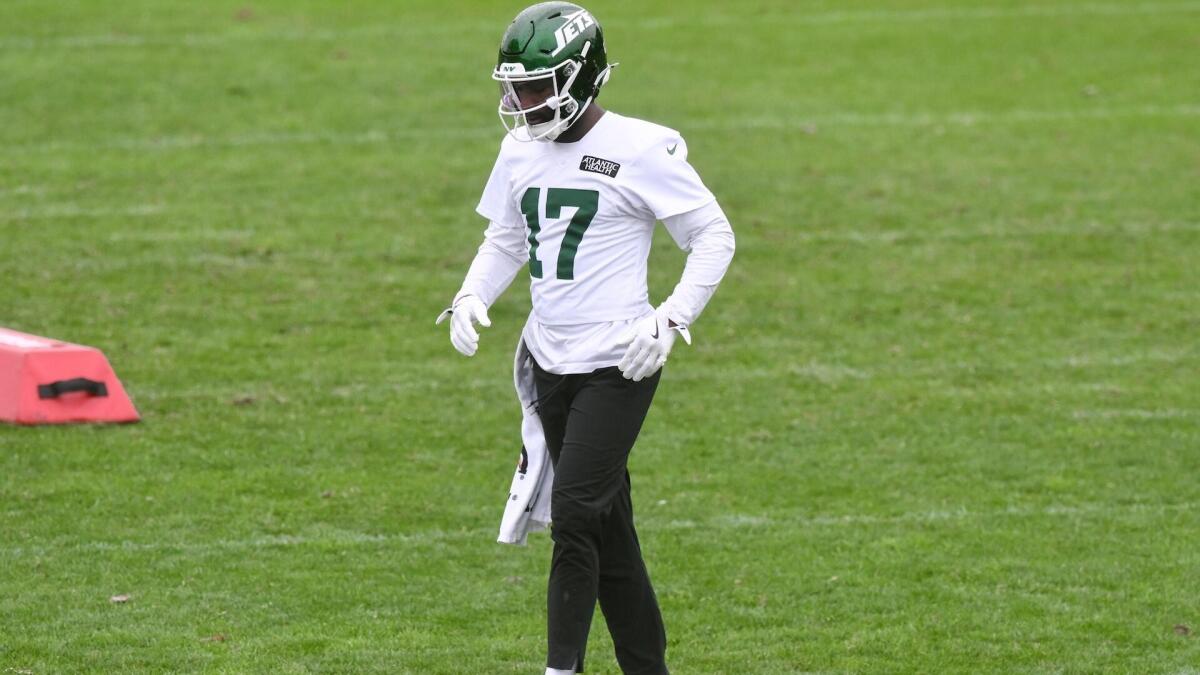
CBS Sports centers its piece on Boyd’s medical status, repeatedly describing him as in critical but stable condition after being shot in the abdomen. The article emphasizes that stability, giving readers a sliver of optimism while making clear that the situation remains serious and fluid. It recaps the known timeline, from the early-morning shooting to the hospital transfer, and weaves in Boyd’s role on special teams and his journey through multiple franchises. By balancing sobering medical language with career context, CBS contributes to a growing consensus across outlets: Boyd faces a long, uncertain recovery, and the football implications are secondary to his survival and long-term health.
Jets CB Kris Boyd in critical but stable condition after being shot in NYC

The Athletic, under The New York Times umbrella, delivers a deeply football-focused angle, detailing Boyd’s seventh-year status, his special teams reputation, and the fact that he has not yet played a snap for the Jets due to injury. Their report underscores the emotional impact inside the organization, quoting teammates and coaches expressing shock, support, and the need to rally around Boyd and his family. By pairing those voices with precise roster and contract details, the piece illustrates how a single off-field incident can ripple through depth charts, meeting rooms, and game plans. It strengthens the overall trend of coverage that sees the shooting not only as a tragic crime but as a moment that reshapes the human dynamics of a struggling NFL team.
Summary / Insights
Taken together, these reports create a consistent core narrative: Kris Boyd was shot in the abdomen outside a popular Midtown Manhattan venue, rushed to Bellevue Hospital, and remains in critical but stable condition while authorities search for the shooter. Outlets differ mainly in emphasis—some lean into the club setting and luxury vehicles, others prioritize police confirmations or player biographies—but the central facts line up across the board. The coverage also highlights how quickly modern sports media moves from breaking news to broader context, explaining Boyd’s career arc, contract status, and standing in the Jets’ locker room. In doing so, the story becomes about more than one player: it becomes a lens on gun violence in big cities, the precarious lives of athletes off the field, and the emotional bonds that form inside NFL teams.
Looking ahead, several threads will shape how this trend evolves. First is Boyd’s medical trajectory, with future updates likely to focus on surgeries, rehabilitation, and any long-term complications that could affect both his quality of life and his ability to return to football. Second is the ongoing investigation: once a suspect is identified or arrested, legal proceedings will add a new layer of coverage involving charges, motives, and courtroom testimony. Third is the Jets’ response as an organization, from internal support systems for players to their public messaging around safety and community engagement. Each of these threads will determine whether this remains a short-lived burst of headlines or becomes a long-running story about recovery, accountability, and change.
For more league-wide context and updates on related stories, see our NFL coverage hub.
TL;DR
New York Jets cornerback Kris Boyd, 29, was shot in the abdomen outside a Midtown Manhattan restaurant and remains in critical but stable condition at Bellevue Hospital. Police say the shooting followed a dispute and that the suspect fled in a luxury vehicle, with no arrests yet made. Sports and news outlets across the U.S. and abroad are aligning on the core facts while offering different angles on Boyd’s career, the impact on the Jets, and what the incident says about gun violence in big cities. The next phases of this story will hinge on Boyd’s recovery, the progress of the investigation, and how the team and league respond.

Resources
Sources and references cited in this article.