
In recent Olympic coverage, the label “AIN” has appeared repeatedly alongside athlete names, prompting widespread questions about what it represents and why it is being used. The term reflects a broader policy approach toward athlete participation amid ongoing international restrictions, particularly involving Russia and Belarus. Understanding what AIN means helps clarify how the Olympics are balancing inclusion, governance rules, and geopolitical realities ahead of the Milan–Cortina Winter Games.
Main Topic Overview
AIN stands for “Individual Neutral Athletes.” It is not a country, flag, or delegation in the traditional Olympic sense. Instead, it is a designation that allows certain athletes to compete without representing their nation, without national symbols, and under strict eligibility conditions. This framework is being applied as Russia remains barred from official Olympic participation, following earlier sanctions and decisions by international sports bodies.
The AIN status reflects an attempt to separate individual athletes from state representation. Athletes competing under this label do not march under a national flag, do not hear a national anthem, and are subject to additional vetting related to conduct and affiliations. The approach builds on earlier neutral participation models used in previous Olympic cycles.
News Coverage
What Russia’s hockey team would look like and how its absence affects the Olympics

This article explores the competitive implications of Russia’s continued absence from Olympic men’s hockey. Rather than focusing on AIN athletes directly, it examines how the lack of a Russian team reshapes tournament expectations and medal projections. The piece provides context for why neutral participation does not extend to team sports like hockey, highlighting the limits of the AIN framework within the broader Olympic structure.
Is Russia competing in the Winter Olympics? Athlete participation, explained
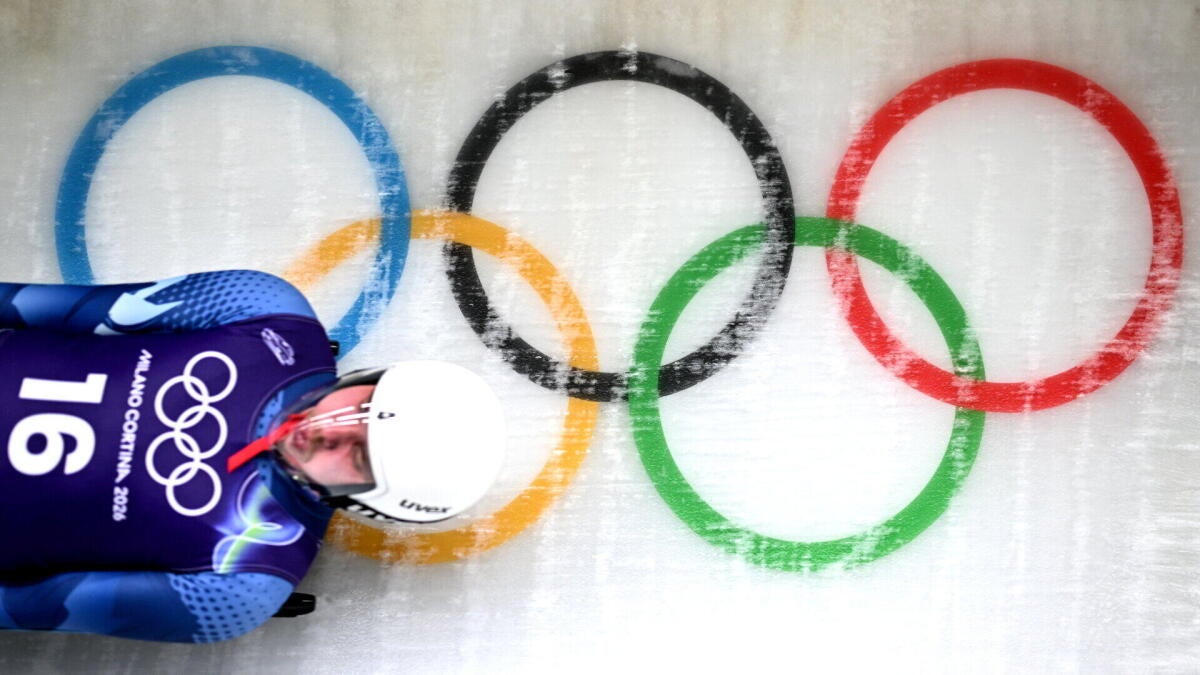
This explainer outlines the distinction between national participation and individual eligibility. It clarifies that Russia, as a country, is not competing, while some athletes may appear under the AIN designation. The coverage connects eligibility rules to past sanctions and explains how the International Olympic Committee has framed neutrality as a temporary solution rather than a reinstatement of national teams.
Russian athletes to compete at the Milan Cortina Olympic Games, but not for Russia

NBC News focuses on how athletes will appear on broadcasts and official listings, emphasizing that AIN competitors are visually and symbolically separated from national representation. The article explains the practical consequences of this status, including uniforms, ceremonies, and media presentation, reinforcing why the AIN label is central to understanding Olympic participation in 2026.
What country is AIN in the Olympics, and why can’t Russia compete as ROC?
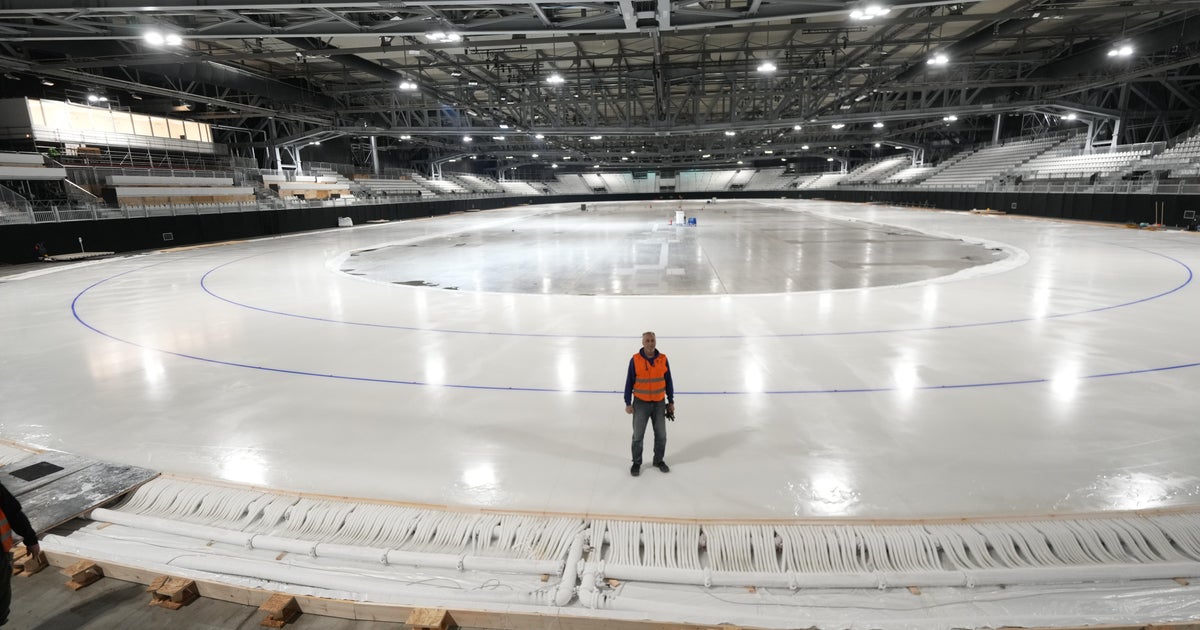
This piece directly addresses public confusion by stating clearly that AIN is not a country. It also explains why earlier compromise labels, such as ROC, are no longer in use. By placing the current policy in historical context, the article shows how Olympic governance has evolved in response to compliance and oversight concerns.
Wait, What Euphemism Are We Using for Russian Olympians Now?
Slate’s analysis takes a cultural lens, examining how terminology like AIN shapes public perception. Rather than focusing on policy mechanics, it highlights how repeated rebranding affects audience understanding and skepticism. This perspective adds depth to the trend by showing that language itself has become part of the Olympic conversation.
Summary / Insights
Across coverage, AIN consistently emerges as a procedural label rather than a political statement. News outlets emphasize that it allows limited athlete participation while maintaining sanctions against national representation. The recurring explanations suggest that confusion is widespread, making clarification a central theme of current reporting.
Building on earlier neutral athlete models, the AIN designation reflects continuity rather than a sudden shift. However, its renewed prominence ahead of Milan–Cortina highlights ongoing tensions between inclusivity, fairness, and international governance in global sport.