
Why Reed Sheppard Keeps Showing Up in Rockets Deadline Talk
The name on the search bar is Reed Sheppard, but the conversation swirling around him in mid-January is bigger than one rookie. A cluster of stories about the Houston Rockets—slipping results, an unclear on-court identity, and a trade deadline that always invites speculation—has turned Sheppard into a kind of narrative hinge: either a young guard you develop through the turbulence, or an asset that becomes more valuable precisely because the team is searching for answers.
In this digest: (1) what’s driving the Rockets’ midseason anxiety, (2) where Sheppard fits in the debate, (3) why trade rumors spike when roles aren’t settled, and (4) what the coverage suggests to watch next as the deadline approaches.
Main Topic Overview
Sheppard’s trend moment is less about a single viral highlight and more about timing. The Rockets are being discussed as a team that expected to stabilize and instead looks stuck between “win now” habits and “build patiently” reality. In that environment, minutes and responsibilities for young players become a referendum on the whole plan.
Two threads show up repeatedly across outlets: first, the Rockets’ recent results have tightened the margin for experimentation; second, the deadline invites front-office triage—small tweaks, bigger swings, or no move at all. Sheppard sits at the intersection, because the easiest way to talk about direction is to talk about who gets the ball, who plays late, and who is seen as part of the next version of the roster.
For related coverage, see our internal hub: Houston Rockets trade deadline tracker.
News Coverage
NBA Rumors on Rockets' Trade Deadline Plans, 'Discussions with Around Half the League'
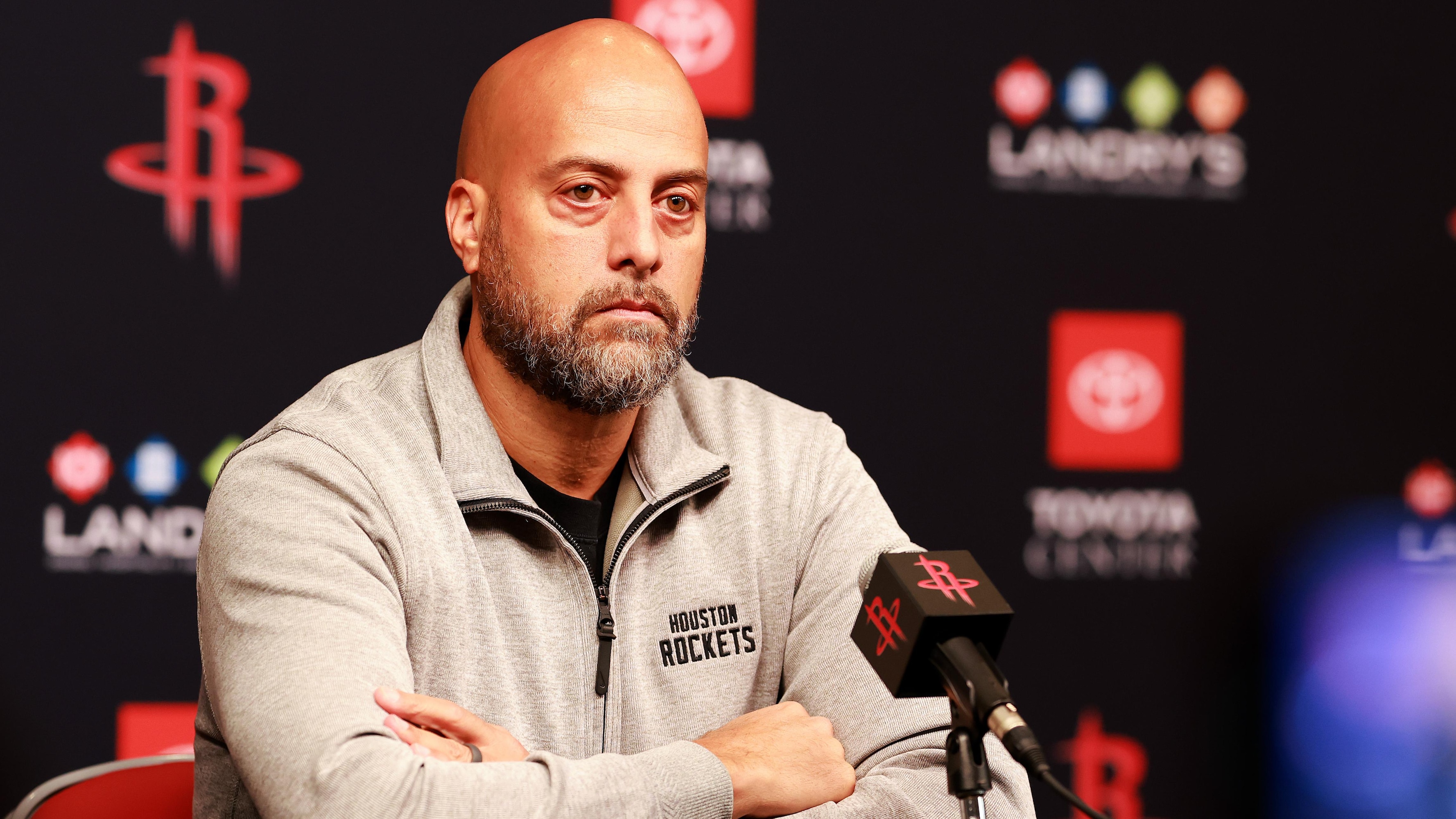
Rumor reporting like this tends to land differently depending on a team’s recent stretch, and the timing matters: “discussions” can mean anything from due diligence to genuine pursuit.
What it signals, at minimum, is a front office treating the market as a live dashboard rather than a last-minute scramble—especially when multiple positions and salary structures are in play.
For a roster with several young pieces, the subtext is often about optionality: which players are considered foundational, which are flexible, and what type of veteran (if any) would change the rotation calculus.
Even when Sheppard isn’t named explicitly in a rumor, this kind of league-wide chatter tends to pull young guards into the conversation because their development runway and trade value are both easy to debate from the outside.
Rockets Are Dropping in the NBA's Hierarchy
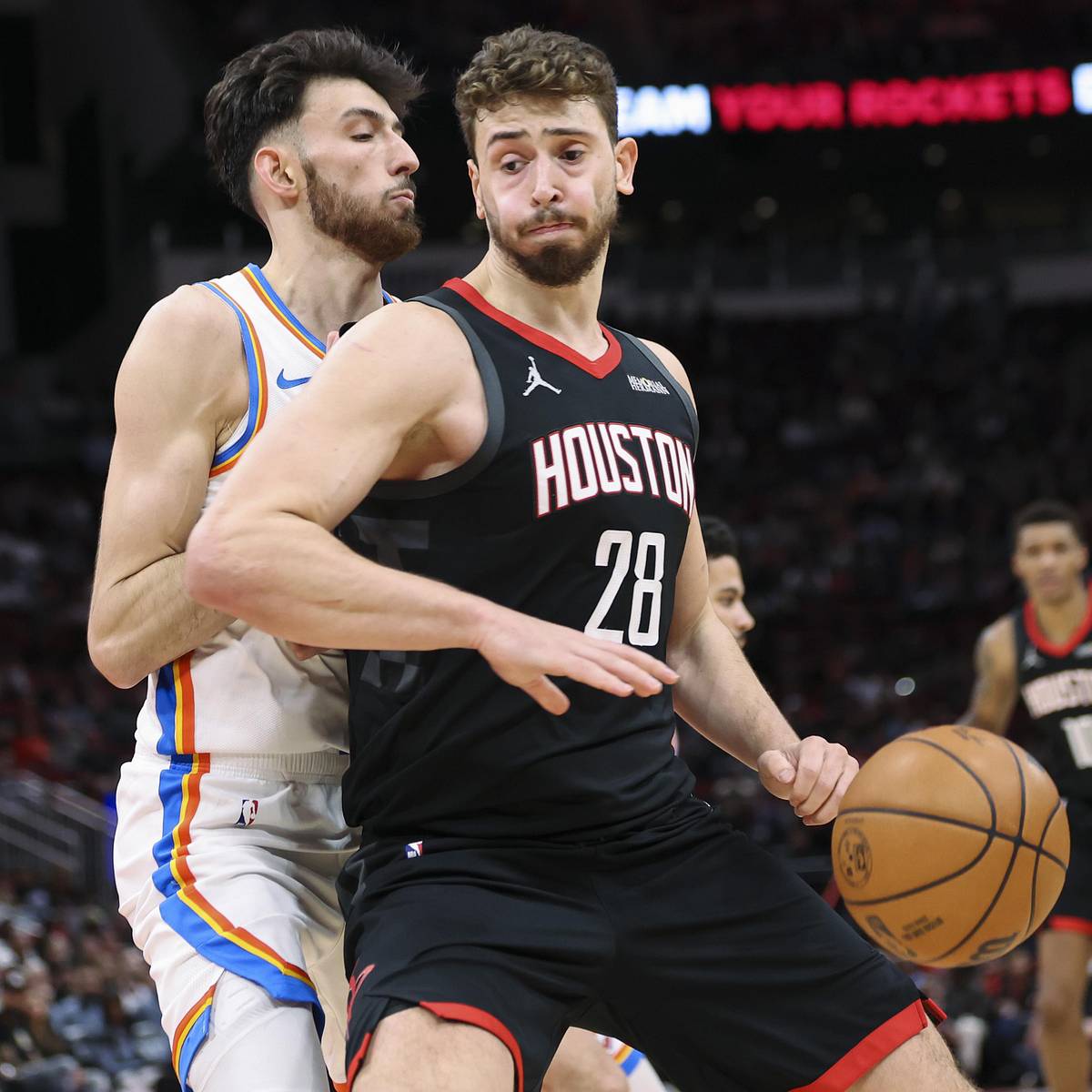
This framing—“dropping in the hierarchy”—isn’t just about standings; it’s about how quickly perception shifts when early-season promise meets a difficult stretch.
Stories like this often emphasize the competitive squeeze in the West, where a small slide can change the conversation from “surprising contender” to “team with unanswered questions.”
When that shift happens, player roles become the easiest diagnostic tool for writers and fans: late-game lineups, shot distribution, and who looks empowered versus tentative.
For Sheppard specifically, a hierarchy narrative can raise a clean, measurable question: does the team respond by narrowing the rotation to stabilize, or by widening it to discover what the next version should look like?
Rockets Week: The Slide Continues

Weekly recaps tend to read like a weather report for a season, and “the slide continues” suggests a pattern rather than a one-off loss.
Local coverage often pays closer attention to the texture of games—how leads disappear, which lineups stall, and whether effort issues are real or simply a byproduct of fatigue and schedule density.
When the narrative becomes “continuing slide,” it naturally opens a door to the most practical levers a team can pull: rotation changes, role clarity, or a roster move.
That’s where a young guard like Sheppard becomes relevant to the broader trend, even if he isn’t the cause of the losses: he represents the choice between riding veterans through instability or turning the turbulence into developmental minutes.
Why Rockets still face identity crisis at season’s halfway point

“Identity crisis” is a familiar midseason label, and it usually points to competing priorities: pace versus control, spacing versus size, development versus results.
The halfway mark matters because it’s when teams stop talking about “small sample size” and start treating habits as character—good or bad.
For the Rockets, identity talk can easily become guard-centric, because decision-making and shot quality often flow from the backcourt’s comfort and the coaching staff’s trust.
In that light, Sheppard’s trend value is symbolic: supporters may see him as an identity stabilizer (shooting, connective play), while skeptics may see his learning curve as another variable on a roster already searching for a consistent blueprint.
Fred VanVleet Explains the Rockets' Recent Struggles
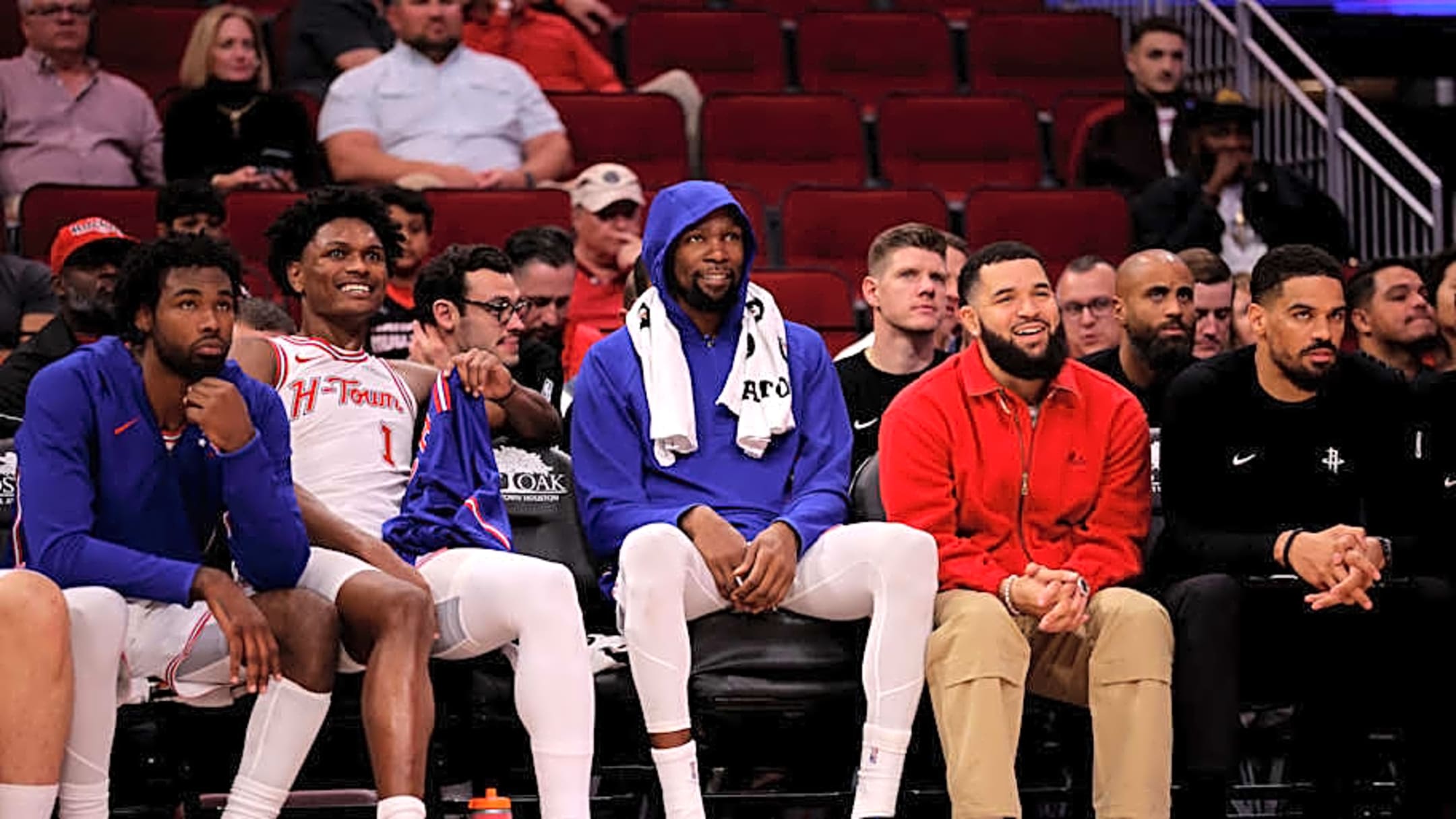
Player explanations often narrow a complicated stretch into a few recurring themes—execution, turnovers, defensive communication—because that’s how teams talk internally, too.
When a veteran guard addresses struggles, it can also be read as a leadership signal: acknowledging the problem without implying panic, and framing solutions as controllable behaviors.
In roster discussions, that kind of messaging can cut both ways—either reinforcing the value of stability, or highlighting why the team might still explore a deadline move for a different mix.
For Sheppard, veteran framing matters because it can shape public expectations: is he being eased in behind a proven organizer, or does the team eventually need to see what happens when the rookie’s skill set is tested in higher-leverage minutes?
Western Conference outlook: Rockets disappointing

A conference “outlook” piece usually zooms out, which can be clarifying: disappointment is relative to expectations, not just raw wins and losses.
When national coverage stacks multiple teams side by side, it tends to spotlight opportunity cost—other clubs appear to be optimizing their strengths while a middling team looks like it’s still experimenting.
That broader lens can intensify deadline chatter because it frames the question as “what’s your path in this West?” rather than “how do you fix last night?”
Sheppard enters that debate as a development-versus-urgency marker: if the West is unforgiving, does Houston chase immediate upgrades, or double down on internal growth that might pay off on a slightly longer timeline?
Stop panicking about the Houston Rockets

Fan-site analysis often functions as a counterweight to rumor culture, and “stop panicking” is an argument for context: schedule swings, opponent quality, and normal midseason variance.
That perspective can also imply a strategy recommendation—avoid a reactionary trade, preserve assets, and let the team’s underlying indicators settle before making irreversible decisions.
It’s a useful contrast to more rumor-forward coverage because it reminds readers that a young roster’s week-to-week volatility may not be a sign of collapse, just of youth.
In Sheppard terms, the “don’t panic” frame typically favors experimentation: give the rookie real minutes, accept mistakes as data, and evaluate his fit alongside the core rather than freezing the rotation to chase short-term comfort.
Fred VanVleet Doesn't Sound as Confident About Return to Rockets This Season
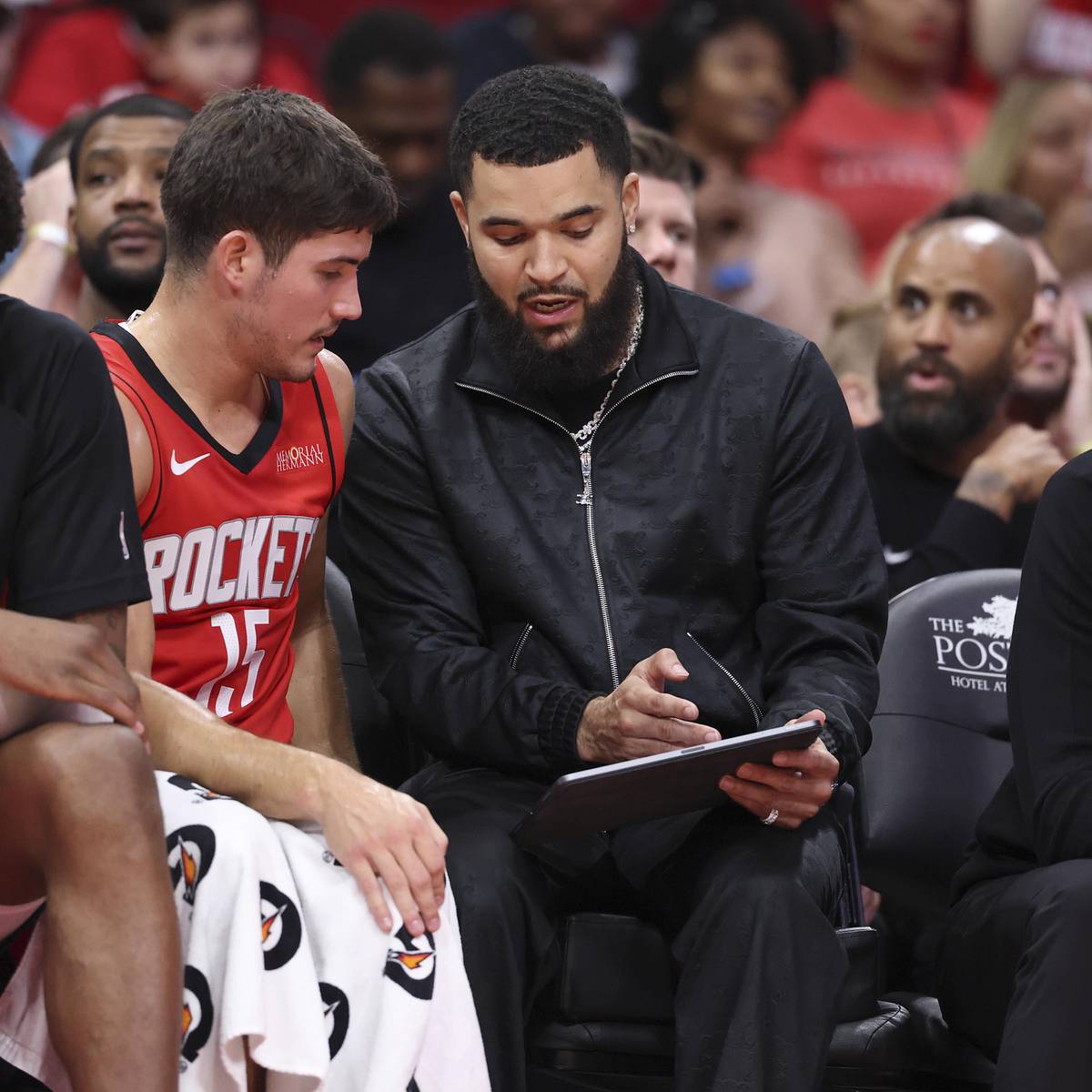
Contract and availability signals can quickly become deadline accelerants, because they force teams to model multiple futures at once.
When a veteran’s return timeline sounds uncertain, coverage naturally pivots to contingency planning: who runs the offense, who absorbs minutes, and how aggressive the team should be in the market.
That uncertainty can also influence how observers interpret a rookie’s usage—development choice versus necessity, and whether the staff trusts him with more complex responsibilities.
In the Sheppard conversation, the underlying question becomes practical: if backcourt stability is in flux, does Houston increase his role now to evaluate, or does it seek external guard help that would reduce the rookie’s pathway?
If the Rockets Do Make a Deadline Trade, What Options Make the Most Sense?
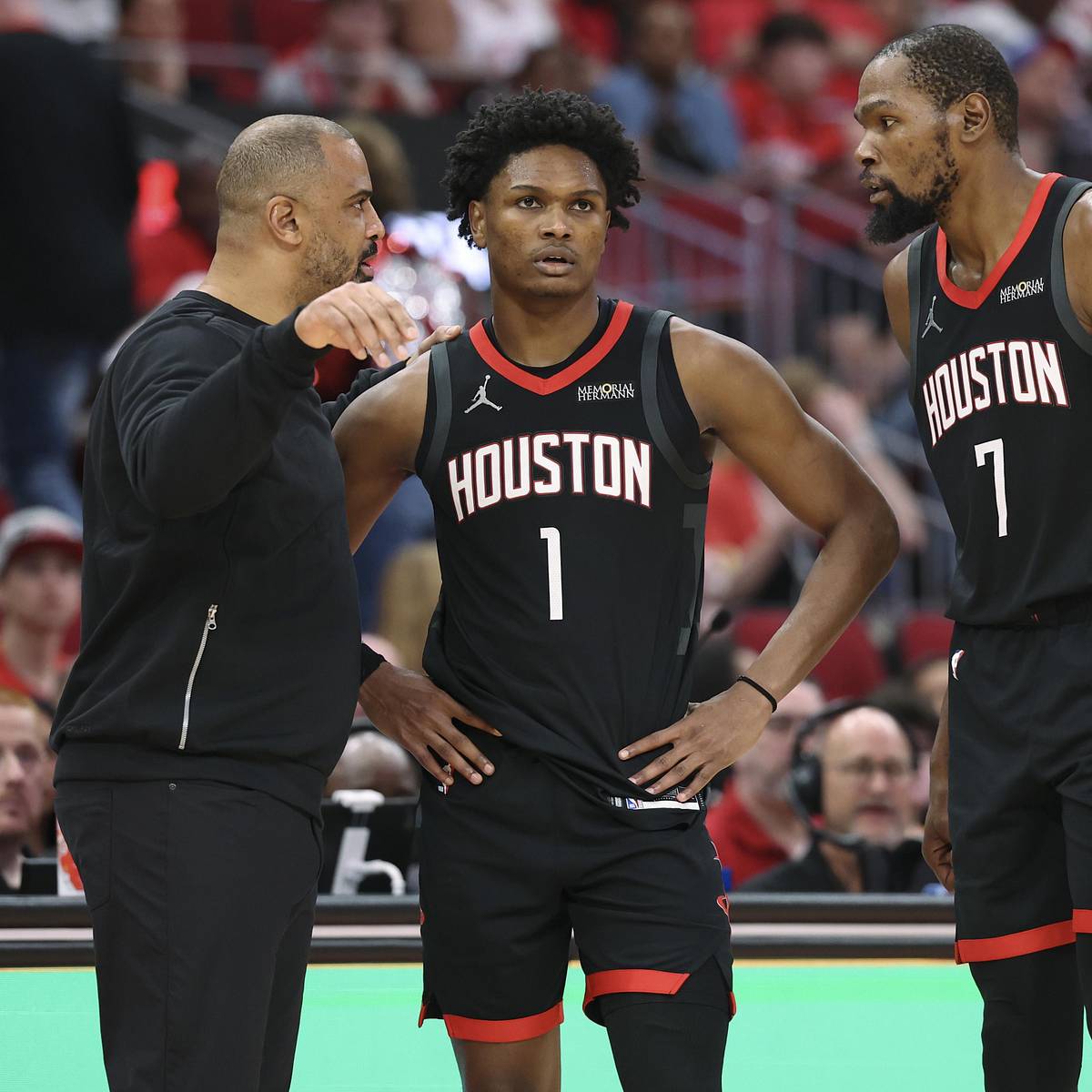
“What options make sense” pieces often reveal the assumptions driving a fan base: are they hunting for a scorer, a stabilizing ball-handler, a rim protector, or just lineup balance?
The most grounded versions of this analysis typically hinge on fit, not star power—what changes the team’s spacing, late-game execution, or defensive versatility without breaking the longer-term plan.
At the same time, trade-option coverage can unintentionally raise the stakes for young players, because every external solution implies a reshuffling of minutes and responsibility.
That’s why Sheppard stays relevant: if a trade brings in a guard, his role narrows; if a trade targets another position, his shooting and connective play may become even more valuable as the team rearranges the pieces around him.
It’s time for the Rockets to unleash Reed Sheppard

This headline captures the fan-side thesis in one word: “unleash” implies the talent is present, the leash is short, and the current moment demands a change in usage.
Arguments like this usually revolve around what Sheppard’s skill set could solve—spacing, quick decisions, secondary creation—and whether those traits translate best in longer runs rather than cameo minutes.
The counterpoint, which often appears in coaching logic, is that rookie minutes are earned through defensive reliability and mistake management, especially on a team trying to win games now.
The trend value here is obvious: when a rookie becomes the subject of a “play him more” campaign, it’s rarely just about him—it’s a proxy debate about patience, identity, and how much the season should be used as a laboratory.
Summary / Insights
Across outlets, the Rockets are being framed through three overlapping lenses: performance (a noticeable slide), definition (questions about identity), and decision-making (deadline choices). Where the stories differ is in their proposed response. Some coverage treats the market as an active pressure valve—talk to teams, model trades, be ready. Other coverage treats volatility as normal for a young roster and cautions against interpreting every slump as a mandate for a major move.
Sheppard’s role in the trend is less about a single stat line and more about what he represents. For one group of observers, he’s an internal solution: a way to improve spacing and ball movement without spending assets. For another, he’s part of the long-term timeline and should be protected from short-term overreaction. And for the trade-rumor mindset, he’s an easy name to attach to hypothetical packages—even when the underlying reporting is more about broad conversations than specific targets.
What to watch next: (1) whether Houston tightens or expands its rotation after the next rough stretch, (2) any clearer signals on veteran health/availability that change backcourt minutes, and (3) whether reported “discussions” turn into concrete targets as the deadline gets closer.
TL;DR
The Rockets’ midseason slump has amplified trade talk and “identity” debates. In that climate, Reed Sheppard is being discussed as either a development bet worth accelerating or a piece whose role depends on what (if anything) Houston changes before the deadline.

Resources
Sources and references cited in this article.