
Boos rolled through BC Place in Vancouver when play stopped 22 minutes into Canada’s 6-0 win over Qatar. The interruption was not a VAR check or an injury delay; it was one of FIFA’s new mandatory three-minute hydration breaks, now built into every half of the tournament. The breaks were created to protect players from North America’s heat, but they have also become one of the World Cup’s loudest flash points.

How Events Unfolded
FIFA introduced the rule in December, saying the pauses would be standardized “no matter where the games are played, no matter if there's a roof, (or) temperature-wise.” The idea sounds simple enough: stop for water, reset, and play on. In practice, the same rule is being used in hot open-air stadiums and in cooled venues, which is why the criticism has spread so quickly.
That tension showed up almost immediately. In Vancouver, fans booed as the crowd realized the stoppage had nothing to do with Canada’s momentum and everything to do with FIFA’s new script. In the U.S., NBC Sports said the same thing happened midway through the first half of the U.S. vs. Australia match, while other venues have heard the same reaction in Dallas, Toronto and Boston.
Yahoo Sports reported that some coaches see the pause as a tactical reset, not just a water stop. U.S. coach Mauricio Pochettino has already used the break to gather players around a laptop, showing how quickly teams are adapting to a rule that now changes the rhythm of every match.
The strange part is that the rule has essentially turned soccer’s two halves into something closer to four shorter segments. That may help in extreme heat, but it also gives broadcasters more room to cut to commercials and gives coaches a chance to slow the game down on their own terms.
Digging Deeper
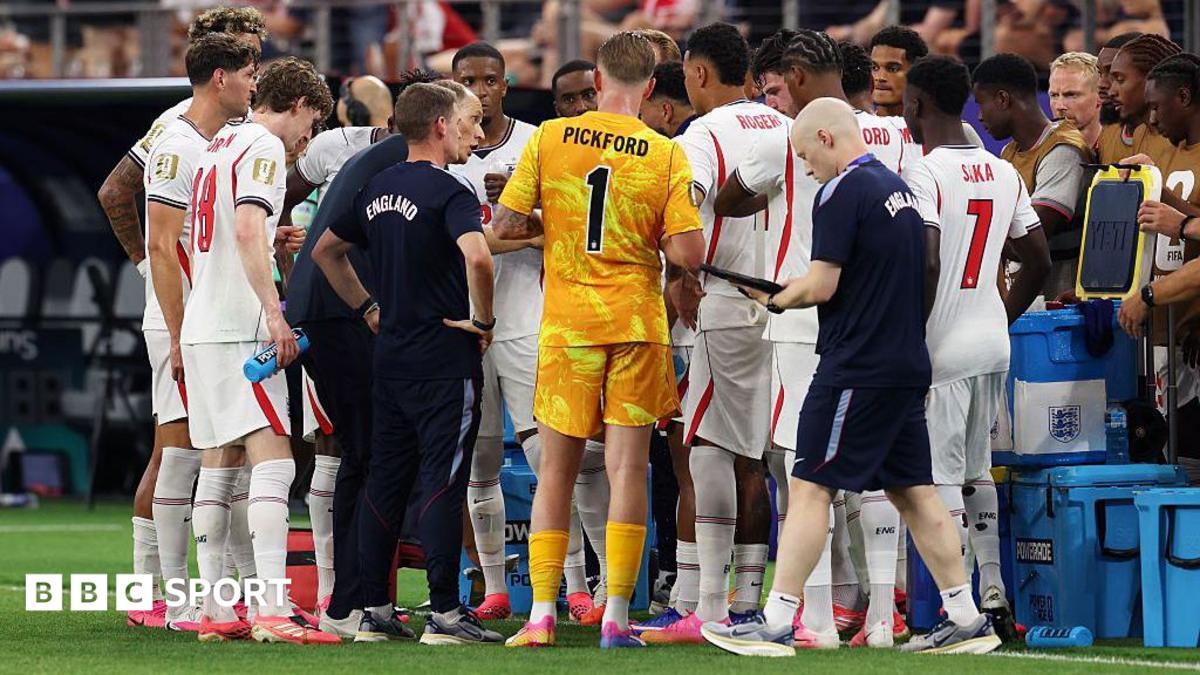
The strongest argument for the breaks is player safety. NBC 6 South Florida quoted Columbia University researcher Joshua L. DeVincenzo saying the point is to reduce the risk of an incident or emergency. The source also noted that elite athletes can suffer heat stress, dehydration and a drop in performance long before the final whistle.
Still, critics say three minutes is too short to cool down properly or recover meaningful fluids when temperatures rise. That complaint came from scientists interviewed by NBC 6 and from coach comments in the field. Norway coach Ståle Solbakken said he can understand the breaks in a place like Greensboro, North Carolina, where it reached 35 degrees, but called them unnecessary elsewhere.
For some broadcasters, the stoppage is a windfall. BBC Sport reported that the breaks could generate more than $250 million in the U.S. alone, while NBC Sports said Fox is making roughly $250 million from the pauses during the tournament. That advertising money helps explain why the interruption has become more than a medical policy; it is now part of the World Cup’s commercial architecture.
The same BBC report said the pauses can create up to eight extra 30-second ad slots per match in some markets. In a tournament this large, the financial stakes are huge, and that is why some fans think the breaks are here to stay even if they dislike them.
What People Are Saying
Netherlands captain Virgil van Dijk said the ad breaks are not ideal for neutral viewers and argued that the need for them should be judged game by game. Didier Deschamps was blunter, saying the rule is “splitting the halves” and making the game feel closer to four quarters.
“I’m not a fan of it. I can understand it when it's like it's been in Greensboro when it's been 35 degrees and a really hot climate, but I don't like it otherwise. I think it's unnecessary.”
“Hydration breaks are a bit interesting, because I was obviously watching almost all the games up until today, and every time going to commercial is a bit … not really that I like it.”
Panama coach Thomas Christiansen said his team can use the pause for “corrections,” but cannot fight the bigger system. That is the clearest reading of the tournament so far: teams can adapt, but they do not get to choose the rules.
Putting It in Perspective
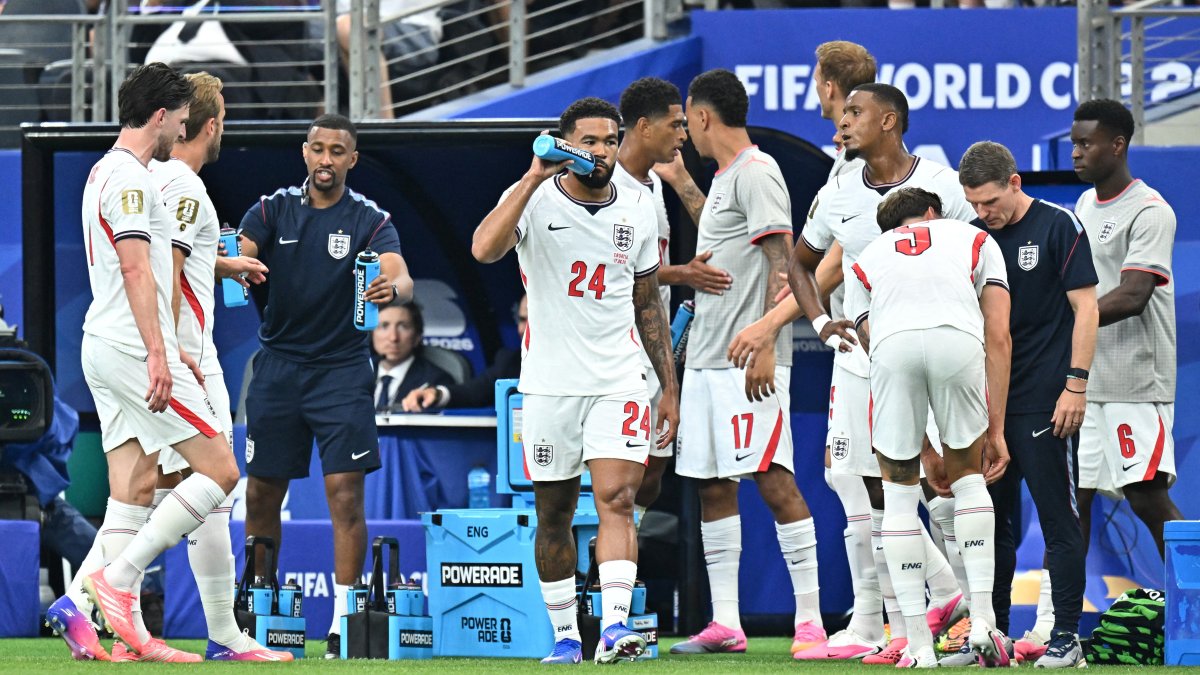
In hot, open-air stadiums, the breaks make sense. In cooler venues, they can feel disconnected from the conditions on the ground. That mismatch is why the rule has drawn boos in one city and quiet acceptance in another.
The bigger ripple effect is on how matches are watched and sold. The pauses create space for commercials, tactical huddles and broadcast commentary, which may be great for rights holders and less appealing for purists. It also means a game that used to rely on uninterrupted rhythm now includes a built-in commercial and coaching reset.
Northeastern Global News found that more shots are being attempted right after hydration breaks, which suggests the pauses may be changing more than just the viewing experience. They may also be changing when teams choose to attack.
FIFA has not said whether the rule will return in future World Cups, but the combination of heat concerns and broadcast revenue makes it easy to see why it might. Uefa, by contrast, told BBC Sport it has no plans to change hydration-break regulations for upcoming competitions.
Looking Ahead
What happens next will depend on two things: whether the weather demands the breaks, and whether the money keeps making them attractive to broadcasters. FIFA says the rule is about equal conditions and player welfare. Critics say it is also about TV inventory, and the tournament so far has given both sides plenty of evidence.
For now, the World Cup is living with a new reality: three minutes of water, ads and tactics in the middle of every half. Whether fans accept that depends on what matters more to them — the heat on the pitch or the flow of the game.
FAQ
How long are World Cup hydration breaks?
They last three minutes and happen once in each half.
Why did FIFA add them?
FIFA says the breaks are meant to protect players in North American heat and reduce the risk of heat-related problems.
Why are fans booing them?
Many fans think the pauses disrupt momentum, and some are frustrated that broadcasters can use them for commercials.
Do teams actually use the breaks?
Yes. Coaches are using the pauses to talk tactics, make corrections and reset game plans.
Will the breaks stay in future World Cups?
FIFA has not confirmed future use, but the mix of player-safety claims and broadcast revenue makes them look likely to remain part of the tournament.