
The winter sports world turned its attention to the slopes of Milan-Cortina as one of snowboarding's most dominant figures, Zoi Sadowski-Synnott, returned to the Olympic stage. Defending her status as a global leader in the slopestyle discipline, the New Zealand athlete faced a highly competitive field in a final that showcased the rapid progression of women's snowboarding. The event highlighted a shifting landscape where established champions are being challenged by a rising tide of technical talent from around the globe, specifically from the powerhouse Japanese team.
Main Topic Overview
Zoi Sadowski-Synnott entered the 2026 Winter Games as a marked woman, having previously made history for New Zealand. The slopestyle final was not just a quest for another medal but a demonstration of the current ceiling of the sport. The competition featured a mix of high-stakes rail sections and massive jumps, requiring athletes to blend creativity with extreme technical difficulty. While Sadowski-Synnott delivered a world-class performance to earn the silver medal, the narrative of the day was defined by her battle against Japan's Mari Fukada, who took the gold. This result underscores the intense rivalry and the narrowing gap between the world's top riders.
'A special athlete': Sadowski-Synnott secures slopestyle silver

Zoi Sadowski-Synnott confirmed her status as a generational talent by claiming the silver medal in the women's snowboard slopestyle final. Facing immense pressure as the defending gold medalist, she executed a high-difficulty run that briefly put her in contention for the top spot. The performance was hailed as a testament to her consistency and ability to perform on the world's biggest stage, further cementing her legacy in New Zealand sports history. Despite being narrowly edged out for the gold, her silver medal represents a significant achievement in an increasingly technical field where the margins for error have become almost non-existent.
Mari Fukada wins slopestyle in more Olympic success for Japan

The gold medal went to Japan's Mari Fukada, whose victory signals a dominant era for Japanese snowboarding. Fukada's performance was characterized by precision and technicality, outscoring Sadowski-Synnott in a tightly contested final. This victory is part of a broader trend of Japanese athletes excelling in freestyle snowboarding events, often utilizing intricate spin combinations and clean landings to impress the judges. Fukada’s rise to the top of the podium illustrates how the sport has evolved since the last Olympic cycle, with new contenders successfully challenging the established hierarchy.
Daily Countdown – Slopestyle showdown and Big Air fireworks
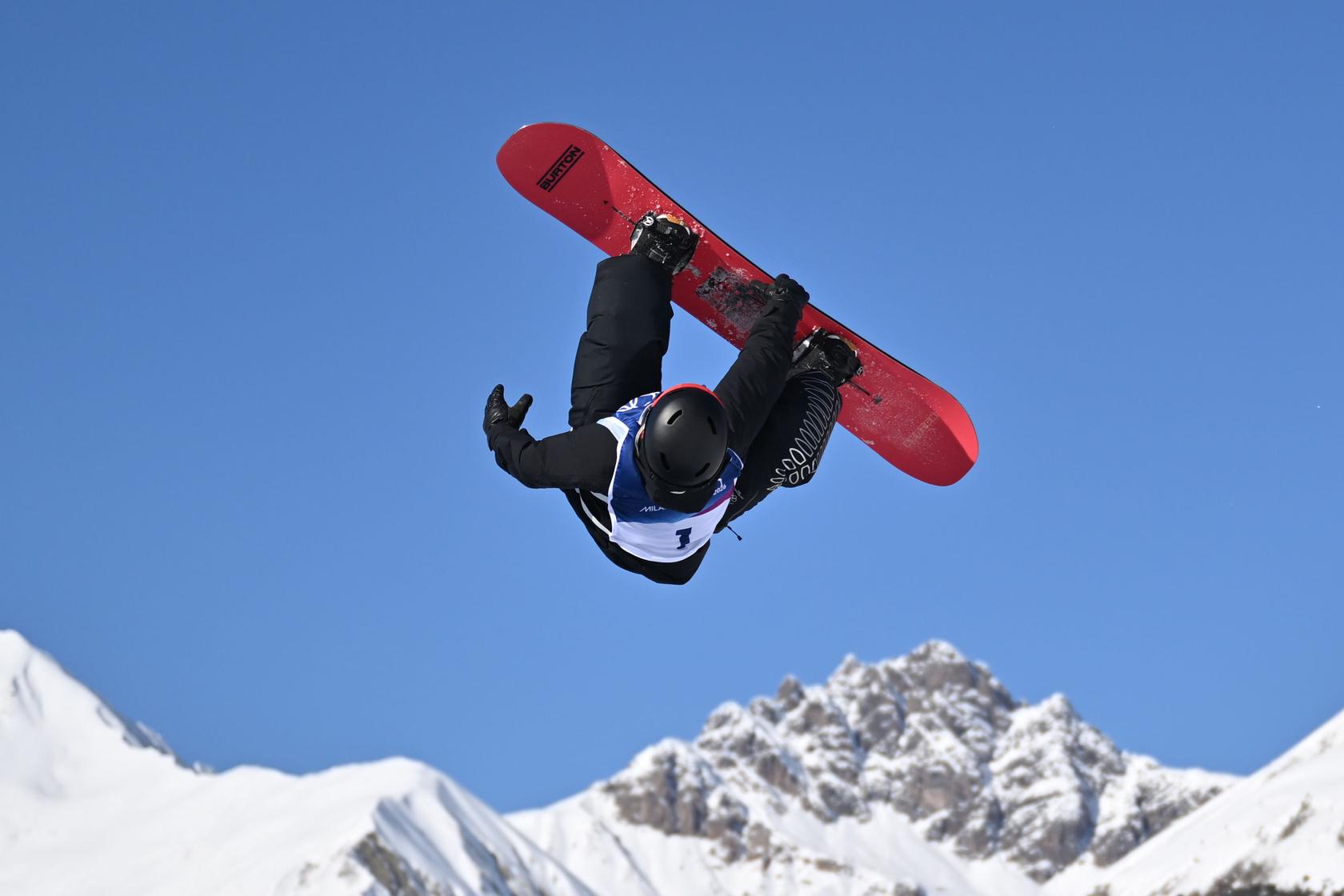
Leading up to the finals, the competition was framed as a "slopestyle showdown" between the veteran elites and a hungry group of newcomers. Zoi Sadowski-Synnott was identified as the primary force to beat, having set the standard for what is possible in women's slopestyle over the last four years. The event served as a centerpiece for the Milan-Cortina Games, drawing significant attention to the progression of Big Air and Slopestyle disciplines. The high level of qualification scores suggested early on that the podium would require a near-flawless performance, setting the stage for the dramatic battle between Sadowski-Synnott and the Japanese contingent.
Summary / Insights
The 2026 Winter Olympics slopestyle event highlights a pivotal moment for the sport. While Zoi Sadowski-Synnott remains a powerhouse, her silver medal finish demonstrates that the international field—particularly athletes from Japan—has caught up to the standard she set in Beijing. The trend moving forward suggests that technical difficulty in the air and creative utilization of rail features will continue to escalate. For Sadowski-Synnott, this silver adds to an already legendary career, while for the sport of snowboarding, it marks the arrival of a new generation of champions who are pushing the boundaries of physics and style.
TL;DR
- Zoi Sadowski-Synnott won the silver medal in women's snowboard slopestyle at the 2026 Winter Olympics.
- Japan's Mari Fukada took the gold, highlighting Japan's growing dominance in the sport.
- Sadowski-Synnott continues to be a leading figure in snowboarding, maintaining a podium presence across multiple Olympic cycles.