Last updated: November 19, 2026
A wave of widespread technology, banking, and aviation outages across the United States in November 2026 has sparked intense debate over whether cyberattacks or fragile software infrastructure are to blame. Federal officials, including Secretary of State Marco Rubio and Director of National Intelligence Jay Clayton, have found no evidence linking the disruptions to foreign hackers, pointing instead to routine security patches and system upgrades. Still, cybersecurity researchers warn that the back-to-back failures reveal dangerous vulnerabilities in America's critical infrastructure.
What Was Released or Demonstrated
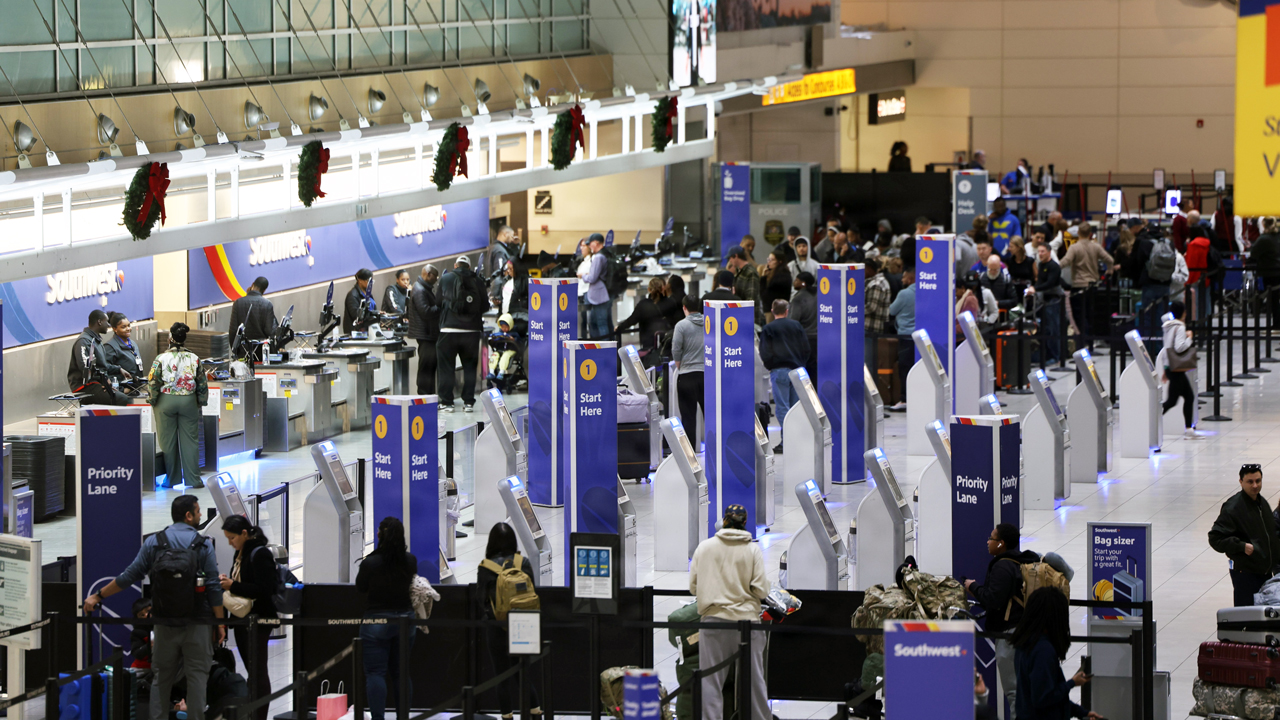
Rather than a single software launch or confirmed breach, the public witnessed a rolling series of high-profile system failures affecting daily American life. Over several days, disruptions hit major technology platforms including Microsoft, knocked JPMorgan Chase banking systems offline for hours, and forced the Federal Aviation Administration (FAA) to issue a nationwide ground stop on Friday after radar and communications systems experienced instability.
The FAA ground stop delayed and canceled thousands of flights, stranding hundreds of thousands of travelers across the country. Following the incident, the FAA paused router installations nationwide after identifying a technical issue behind the disruption, as reported by Fox Business.
What It Can Actually Do
Because the events involve operational infrastructure rather than a consumer product, analysts are evaluating the real-world impact of cascading network failures and potential cyber intrusions. According to Dr. Ram Dantu, founding director of the University of North Texas' Center for Cyber and AI Security and a former Cisco director, modern networks are deeply interconnected, meaning a single flawed update or dormant piece of malicious code can halt essential services across multiple sectors at once.
In CNN's coverage of the outages, technology observers noted that much of the modern internet relies on brittle, overlapping dependencies—often compared to being held together with shoestring and bubblegum—where routine maintenance errors can trigger nationwide bottlenecks.
Cyberattack can be massive on real critical infrastructure. Electric grid, water grid, oil and natural gas and telecommunications. These are very, very critical systems.
Who Made It and How
The affected systems span major private-sector cloud providers, national financial institutions, and federal aviation networks, each maintained through continuous software patching and hardware upgrades. Director of National Intelligence Jay Clayton stated that intelligence officials identified security patches and system upgrades as likely explanations for the recent wave of disruptions.
However, Dr. Dantu questioned the operational timing behind some of these technical failures. Standard engineering protocol dictates pushing major infrastructure updates overnight in staggered phases to minimize public disruption, making midday failures stand out to veteran network engineers.
They do it in the middle of the night. These upgrades, they don't do in the day, 12 o'clock or one o'clock in the afternoon. No, that's very rare. They don't do it in the middle of the day. I think that is strange. That's what caught my eye.
- Zero-Day / Dormant Malware
- Malicious software that sits undetected inside a network over long periods before being remotely triggered to disrupt operations.
- Ground Stop
- An air traffic control directive that halts departures for flights heading to a specific airport or across an entire region due to safety or system failures.
- Critical Infrastructure
- Physical and cyber systems—such as power grids, water treatment, banking, and aviation—essential to national security and economic stability.
Realistic Applications
For U.S. businesses, government agencies, and everyday consumers, the immediate takeaway centers on operational resilience and disaster recovery rather than panic over an active cyberwar. While foreign cyberattacks remain a persistent national security threat, the confirmed evidence points toward self-inflicted technical failures during routine maintenance and router installations.
Organizations managing vital networks are being urged to audit their update schedules, isolate backup communications channels, and reduce single points of failure. For travelers and banking customers, the disruptions demonstrate the practical value of keeping offline copies of boarding passes, maintaining access to backup payment methods, and monitoring official service status channels during widespread outages.
Concerns and What Comes Next
The central concern raised by cybersecurity specialists is not only what caused this week's outages, but what foreign adversaries might learn from watching U.S. systems fail in public. Dr. Dantu warned that widespread disruptions act as diagnostic clues, showing hostile actors where American banking, aviation, and cloud networks are most fragile.
At the same time, federal leaders have sought to calm public speculation of a coordinated strike. Secretary of State Marco Rubio told reporters on Tuesday that officials found no evidence linking the incidents to one another or to foreign governments and criminal hackers. Moving forward, federal agencies including the FAA are reviewing hardware rollout procedures while intelligence officials continue monitoring networks for any signs of hidden intrusion.
Frequently Asked Questions
Were the recent U.S. tech and flight outages caused by a cyberattack?
No. Secretary of State Marco Rubio and Director of National Intelligence Jay Clayton stated that federal officials found no evidence linking the disruptions to hackers, criminal groups, or foreign adversaries.
What caused the FAA ground stop and major tech disruptions?
Officials pointed to routine security patches, system upgrades, and technical issues during router installations, which the FAA has temporarily paused nationwide.
Why are cybersecurity experts still concerned if hackers were not involved?
Experts like Dr. Ram Dantu warn that public outages expose weak points in critical U.S. infrastructure, giving foreign adversaries valuable information about how essential systems fail.
Which major services were affected by the November 2026 outages?
Disruptions impacted Federal Aviation Administration radar and communications systems, JPMorgan Chase banking services, and major technology platforms including Microsoft.
Could dormant malware still be involved in future outages?
While no evidence ties current outages to cyberattacks, cybersecurity researchers note that malicious code can remain hidden inside networks for long periods before remote activation, requiring ongoing forensic investigation.