EV cars today: fuel prices push Australians to switch faster than expected
The shift is no longer gradual — it’s happening in real time. New data shows electric vehicle sales surging across Australia, with some months recording jumps of up to 50%. That’s not a slow transition; that’s a jolt.
Behind it? Rising petrol prices, tightening household budgets, and a growing sense that sticking with petrol cars might cost more in the long run. Across cities and regional areas alike, drivers are rethinking what sits in their driveway.
What We Know So Far
The numbers are stacking up quickly. Recent industry data shows EV registrations rising sharply, even as the overall car market softens. That contrast matters. It means EVs aren’t just growing — they’re taking share from traditional vehicles.
In March alone, registrations surged by roughly 50%, according to market tracking reports. Meanwhile, overall vehicle sales dipped, highlighting a clear shift in consumer behaviour. People aren’t buying more cars — they’re buying different ones.
Petrol prices are a key driver. As fuel costs climb, the long-term savings of electric vehicles become harder to ignore. Households are doing the maths. Over time, lower running costs — fewer mechanical parts, cheaper charging — start to outweigh higher upfront prices.
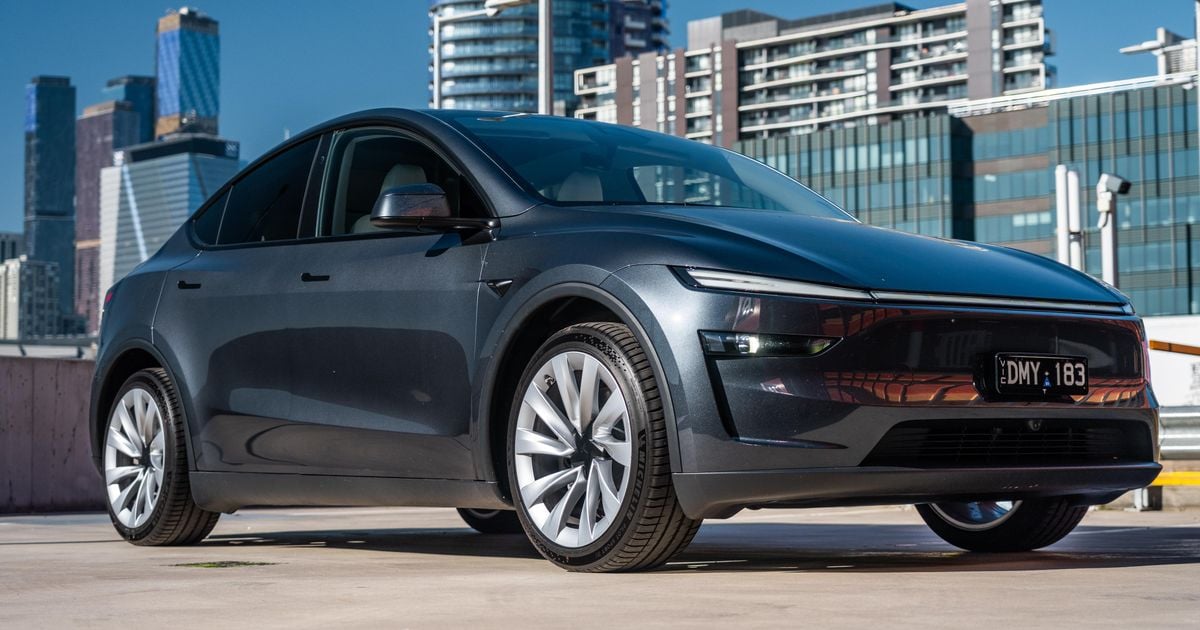
What’s interesting is the brands involved. New players like BYD are climbing into the top tier alongside established names. That competition is pushing prices down and expanding options — from budget-friendly models to high-performance EVs.
There’s also a second-hand effect. Demand for used EVs and fuel-efficient cars is rising as buyers look for more affordable entry points. It’s a ripple through the entire market, not just new car showrooms.
Still, the moment feels delicate. Some industry voices describe this as a “make-or-break” phase. Infrastructure gaps — particularly charging availability outside metro areas — remain a sticking point. If those aren’t addressed, momentum could stall.
What People Are Saying
“We’re seeing a real behavioural shift — not just interest, but actual purchasing decisions changing.”
“Fuel costs are biting, and households are responding quickly when alternatives make financial sense.”
“This is the moment where policy, infrastructure, and pricing all need to align — or the growth slows.”
How This Affects You
If you’re in Australia, this shift isn’t abstract — it’s hitting your wallet and your choices directly.
For drivers, the equation is changing. Higher petrol prices mean running a traditional car is getting more expensive month by month. EVs, once seen as niche or premium, are becoming a practical option — especially with more models entering the market.
There’s also resale value to consider. As demand tilts toward electric, petrol vehicles could lose value faster. That’s already happening in some segments.
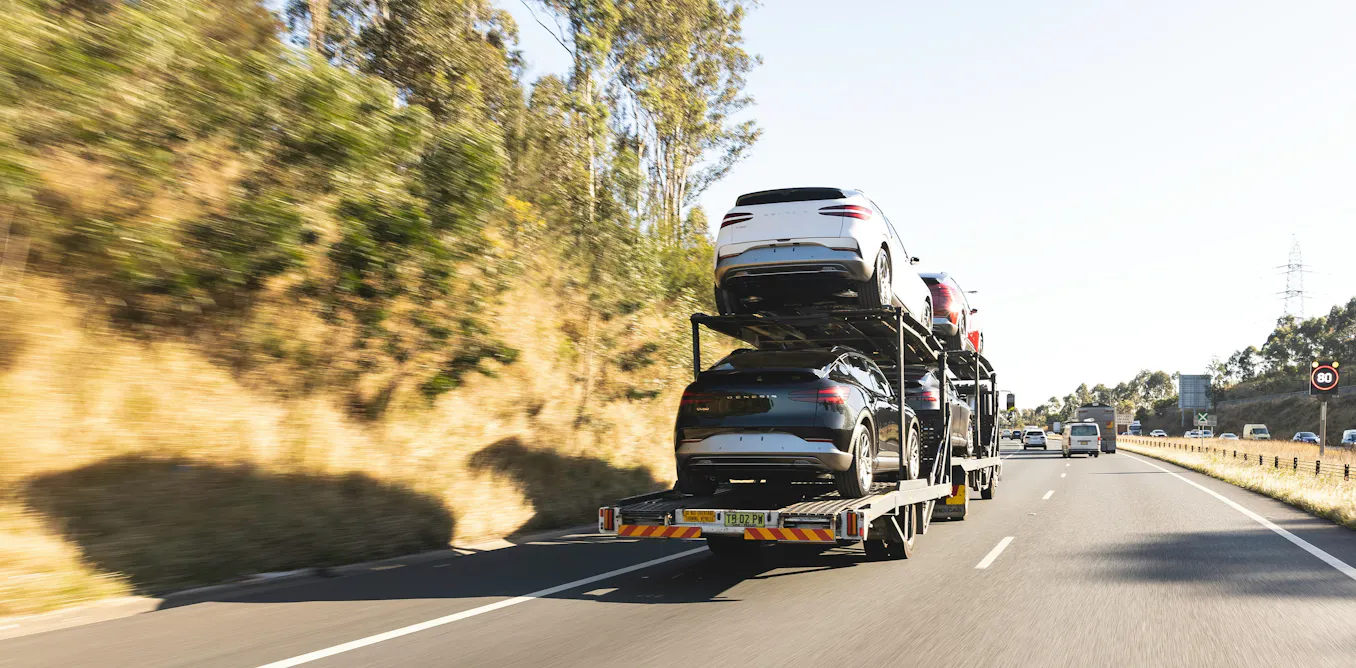
But here’s the catch — infrastructure varies. In major cities, charging access is improving quickly. In regional areas, it’s still patchy. If you’re outside metro zones, that’s a real consideration before making the switch.
As Aussies like to say, “you don’t want to be caught short” — especially on a long drive with limited charging options.
- EV (Electric Vehicle)
- A car powered entirely by electricity instead of petrol or diesel.
- Charging infrastructure
- Network of stations where EVs can recharge their batteries.
- VFACTS data
- Official Australian vehicle sales statistics used to track market trends.
Coming Up
The next few months will be critical. New EV models are expected to launch, including more affordable options aimed at mainstream buyers. Government policies around emissions and incentives are also under review, which could accelerate adoption further.
Meanwhile, infrastructure investment — particularly fast-charging networks — is being closely watched. That’s the piece that could determine whether this surge becomes a long-term shift or just a spike.
At a Glance
- EV registrations jumped by up to 50% in recent months
- Overall car market declined while EV sales increased
- Rising petrol prices are the main driver of the shift
- New brands like BYD are gaining market share
- Charging infrastructure remains uneven across Australia
- Second-hand EV demand is also rising
FAQ
Why are EV sales rising so quickly in Australia?
Higher petrol prices and long-term cost savings are pushing more buyers toward electric vehicles.
Are EVs cheaper to run than petrol cars?
Yes. Charging costs and maintenance are typically lower, which adds up over time.
Is now a good time to buy an EV?
For many drivers, yes — especially with more models and better pricing entering the market.
What are the biggest challenges for EV adoption?
Charging infrastructure, especially in regional areas, remains the main hurdle.
Will petrol cars lose value because of EV growth?
Potentially. As demand shifts, resale values for petrol vehicles could decline faster.

Resources
Sources and references cited in this article.

