Foxtel is hitting hundreds of thousands of its premium cable and satellite subscribers with a monthly price rise just days after committing to a staggering multi-billion-dollar sports rights package.
The pay-television giant confirmed to subscribers this week that the price of its entry-level cable package, Foxtel Plus, alongside its premium Platinum Plus tier, will increase by $5 a month starting 1 September 2026. The timing has drawn immediate criticism from consumers, arriving exactly ten days after the National Rugby League announced a record-breaking $5.3 billion broadcast rights extension. Foxtel is bearing the lion's share of that deal, exposing the direct financial link between elite local sport and the mounting pressure on ordinary Australian household budgets.
What We Know So Far
The subscription hike represents the latest move by Foxtel to lift revenue from its most lucrative user base to absorb inflated broadcast costs. Under the historic seven-year NRL deal which runs from 2028 through to 2032, Foxtel is expected to pay approximately $520 million annually. By comparison, free-to-air partner Nine Network will contribute a significantly lower $145 million per year in cash plus advertising space, while New Zealand's Sky will chip in $50 million annually. This massive financial commitment comes on top of Foxtel's existing AFL broadcast agreement, which runs until 2031 and secures exclusive rights to Saturday football in Victoria.
Currently, the standard Foxtel Plus tier sits at $78 per month, while the all-inclusive Platinum Plus package is listed at $150 per month outside of temporary contract promotions. This September adjustment marks the second consecutive year Foxtel has added a $5 monthly increase to these specific premium tiers, following an identical rate hike implemented last year. The decision primarily targets traditional set-top box customers rather than users of Foxtel's standalone streaming services like Binge or the sports-centric Kayo, which already saw its premium tier price increased earlier this year.
Industry analysts estimate that traditional cable and satellite packages still command roughly 1 million paying customers across Australia. These set-top box subscribers remain far more valuable to the company's bottom line than digital streaming accounts due to their higher baseline fees. While a company spokesperson framed the decision as a routine outcome of a first-quarter financial review, the tight turnaround from the NRL announcement has fueled a perception that sports fans are being immediately tapped to fund the executive boardroom's multi-billion-dollar deals.
Meanwhile, the deal has reignited sharp regulatory debates within the media sector regarding Australia's anti-siphoning rules. Independent industry analysts have pointed out that under strict interpretations of the Broadcasting Services Act, major sporting events on the anti-siphoning list are intended to be available to the public entirely free of charge. However, current loopholes allow free-to-air networks to pass on the rights to matches they choose not to broadcast themselves, opening the door for subscription services to lock those games behind a paywall.
Reactions & Responses
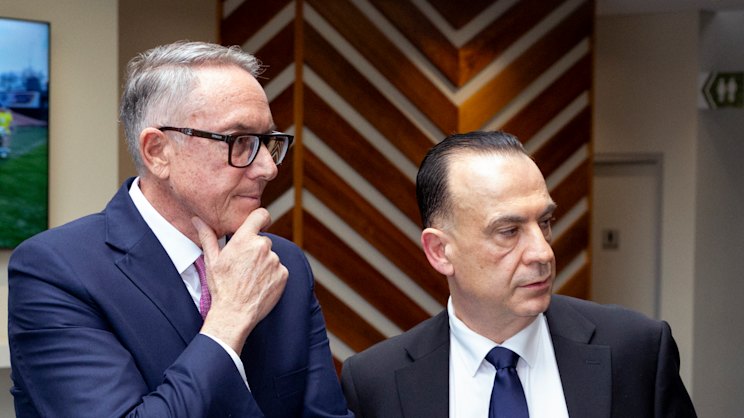
The swift introduction of the price hike stands in stark contrast to assurances given by executives during the broadcast rights announcement. Australian Rugby League Commission chairman Peter V'landys heavily emphasized his personal commitment to protecting everyday consumers when the deal was made public.
I am a migrant kid from Wollongong. I never forgot my roots, and I ensured that the price point will be protected.
At the same joint press conference, Foxtel chief executive Patrick Delany indicated that the broadcaster would absorb rights costs by expanding its subscriber base rather than relying solely on aggressive fee increases. He insisted the service maintained a strong track record of affordability.
We’re completely aligned in making sure it’s affordable. I think we’ve got a good track record. It is very well priced.
Defending the changes, a company representative stated that subscription adjustments are necessary to maintain a premium service model. The company maintains that the policy impacts only a specific subset of its user base.
To continue bringing customers the world’s best sports and entertainment, while delivering great value through a premium customer experience, we are changing the price of Foxtel for a small percentage of premium package set-top box customers.
On the Ground
For Australian households navigating a sustained cost-of-living squeeze, the extra $60 an annual subscription will now demand forces a difficult re-evaluation of entertainment budgets. Sports fans are increasingly trapped in an environment where watching a single code requires multiple distinct subscriptions. This trend is not unique to Foxtel; rival streaming provider Stan Sport similarly raised consumer pricing last year after acquiring exclusive rights to the English Premier League.
Consumers looking to mitigate the price increase have a few short-term strategies available before the September deadline. Customers can contact Foxtel's retention department directly, as the company frequently authorises temporary price-freezes or package discounts to prevent cancellations. Alternatively, viewers solely focused on live matches can consider transitioning to digital-only options like Kayo, which bypasses the premium entertainment package fees entirely, though it strips away traditional cable features like set-top box recording capabilities.
Coming Up
The adjusted billing cycles will officially launch on 1 September 2026, meaning customers will see the premium fee reflected on their first statements of the spring. Looking further ahead, the newly secured $5.3 billion NRL broadcast cycle will formally commence in 2028, ensuring that Foxtel retains its grip on premier rugby league matchups through the conclusion of the 2032 season.
At a Glance
- Foxtel is raising subscription prices for its Foxtel Plus and Platinum Plus packages by $5 per month.
- The pricing changes will officially take effect for all affected subscribers on 1 September 2026.
- The hike comes just ten days after the NRL finalized a landmark $5.3 billion broadcast rights extension through 2032.
- Foxtel is the primary financial backer of the deal, contributing an estimated $520 million annually.
- Standalone digital streaming services Binge and Kayo are excluded from this specific rate adjustment.
Frequently Asked Questions
When do the new Foxtel subscription prices take effect?
The $5 monthly price increase will be applied to customer accounts starting on 1 September 2026.
Which specific Foxtel packages are impacted by the price rise?
The price hike applies directly to the entry-level Foxtel Plus package and the premium Platinum Plus set-top box tiers.
Are Kayo and Binge prices going up because of this deal?
No, this particular pricing review targets traditional cable and satellite set-top box customers, though Kayo Premium was subject to a separate price increase earlier this year.
How much is Foxtel paying for the new NRL broadcast rights?
Foxtel is expected to pay approximately $520 million annually under the new seven-year agreement, which runs from 2028 to 2032.

Resources
Sources and references cited in this article.