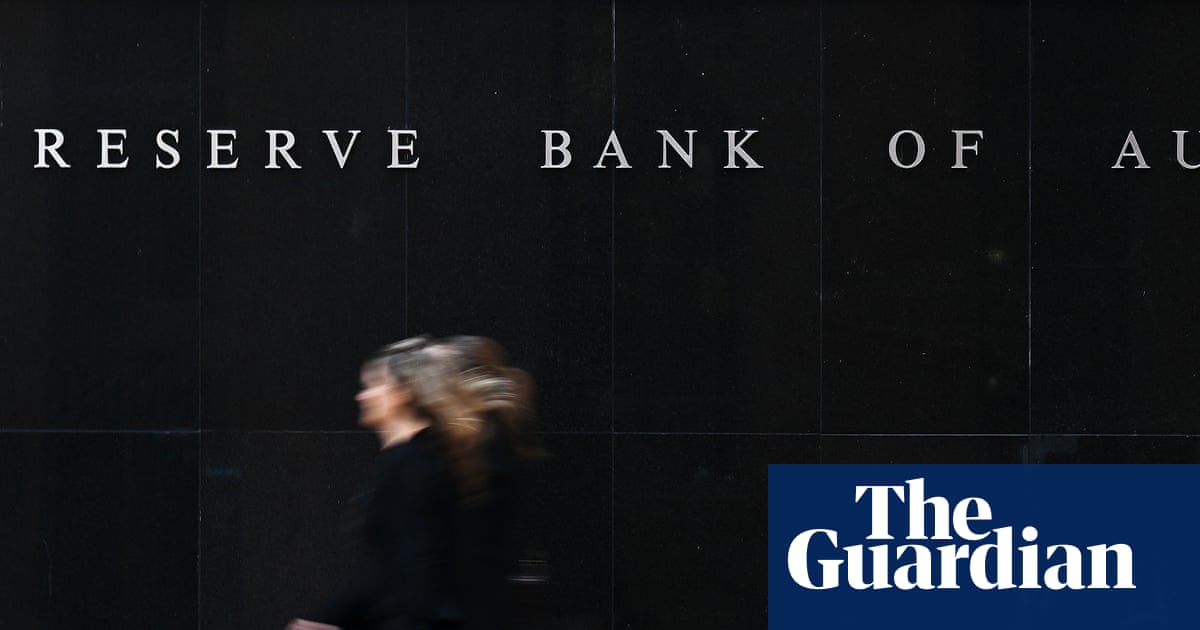
The Australian bureau of statistics revealed on Thursday that the nation's unemployment rate surged unexpectedly to 4.5 per cent in April, dealing a heavy blow to workers but instantly relieving intense pressure on the Reserve Bank to keep raising interest rates. This sharp jump from the previous stable figures represents the highest jobless level Australia has seen since late 2021. For everyday Aussies struggling beneath the weight of compounding mortgage stress, this cold economic update brings a strange sliver of hope that the official cash rate may have finally peaked.
The Full Story
For months, the Reserve Bank of Australia (RBA) has been operating on a razor's edge, balancing sticky domestic inflation against a remarkably resilient jobs market. Economists across the country's major banking institutions were increasingly bracing for another cash rate increase to cool down spending. However, the latest monthly labor force data shattered those assumptions in one clean sweep, proving that the aggressive economic tightening cycle is finally biting hard into local businesses and employment pipelines.
The sudden spike means tens of thousands of extra Australians have joined the search for employment over a remarkably short window. While the central bank had anticipated a slow, gradual softening of employee demand over the back half of the year, this rapid adjustment has caught financial markets entirely off guard. Money markets responded almost instantly to the news, aggressively slashing the implied probability of any further rate hikes before the year wraps up.
Meanwhile, major commercial lenders are scrambling to rework their internal forecasts. Before this announcement, the narrative across trading desks leaned heavily toward higher-for-longer monetary policy, with some outlying voices warning of a terminal cash rate creeping even closer to five per cent. Now, financial analysts are shifting their timelines forward, debating not if the next move is a cut, but exactly how soon the RBA will feel secure enough to give local households a breather.
Key Figures
- The Reserve Bank of Australia (RBA): The nation's central banking authority, which remains caught between managing sticky inflation pressures and preventing a broader economic downturn.
- Australian Bureau of Statistics (ABS): The official government body responsible for collecting and distributing the updated nationwide employment metrics.
- Major Bank Economists: Forecasting teams across commercial institutions who have collectively hit the handbrake on their predictions of further interest rate hikes.
Facts & Figures
The statistical realities underlying the jump paint a vivid picture of an economy shifting gears at pace. Here is what the latest updates show:
- The headline unemployment rate jumped significantly to 4.5 per cent, moving well away from the historic lows observed throughout 2022 and 2023.
- Financial markets reduced the estimated likelihood of another RBA rate hike down to near zero following the morning release.
- This represents the weakest overall reading for the Australian job space since the final quarter of 2021, indicating a definitive end to the pandemic-era hiring boom.
What This Means
Let's be frank: this news is a double-edged sword for the average household. On one hand, seeing the jobless queues grow is a sobering indicator that businesses are hurting, budgets are shrinking, and finding a new role is becoming genuinely difficult. If you are currently hunting for a new gig, the landscape has changed rapidly, and the leverage has firmly swung back to employers. The honeymoon is over for easy job-hopping.
On the flip side, for millions of mortgage holders who have been absolutely bleeding cash to keep up with skyrocketing monthly bank repayments, this might be the circuit breaker they desperately needed. The RBA simply cannot ignore a softening job market without risking a severe, self-inflicted recession. By showing that consumer demand is dropping and corporate hiring plans are freezing, these numbers provide the ultimate justification for the central bank to put its rate-hiking tools away for good.

What to Expect
Moving forward, all eyes shift directly to the upcoming RBA board meeting, where board members will have to formally digest this sudden shift in economic momentum. While a rate cut is highly unlikely to happen immediately due to underlying inflation concerns, the official post-meeting commentary is widely expected to adopt a much more neutral, protective stance. Retailers and property markets will be watching closely to see if consumer confidence stabilizes now that the threat of further financial tightening has largely evaporated.
Frequently Asked Questions
Why did Australian unemployment jump so suddenly to 4.5 per cent?
The spike is the direct result of prolonged, high interest rates slowing down consumer spending, causing local businesses to freeze hiring plans, reduce casual hours, or downsize staff profiles to protect their margins.Does this mean interest rates in Australia have peaked?
While nothing is set in stone, the overwhelming consensus among top economists is that this labor slowdown removes the need for further RBA rate hikes, effectively capping the current tightening cycle.When can Australians expect the RBA to start cutting interest rates?
Most commercial forecasting models suggest that if unemployment continues to climb or stabilizes at this higher level, the central bank could begin introducing rate relief cuts late this year or early next year.
Is the Australian economy heading into a formal recession?
While a technical recession remains a risk, economists view this cooling of the jobs market as a necessary correction to bring inflation back into target, rather than an outright economic collapse.
How does a higher unemployment rate impact everyday consumers?
It typically results in lower wage growth, tougher competition for available job vacancies, and reduced household spending, though it also lowers the likelihood of further cost-of-living increases driven by interest rates.

Resources
Sources and references cited in this article.