
Last updated: April 27, 2026, 3:30 PM AEST
Christiana Figueres: 5 Critical Realities of Australia’s Energy Crisis
The architect of the Paris Agreement, Christiana Figueres, has issued a blunt warning to Australia: the current 'energy crisis' is a self-inflicted wound, but one we already have the tools to heal. As conflict in the Gulf sends jitters through global oil markets, the former UN climate chief insists that our reliance on volatile fossil fuels is the true security threat. For Australians watching petrol prices climb and regional servos run dry, her message is both a reality check and a roadmap.
What We Know So Far
Australia is currently caught in a pincer movement between international conflict and domestic supply fragility. With the situation in the Gulf escalating, the vulnerability of our liquid fuel supply chain has been thrust into the spotlight. Figueres, speaking on the sidelines of major environmental summits, argues that this isn't just an environmental issue—it is a fundamental failure of national security. The writing is on the wall: as long as we remain tethered to global oil prices, our economy remains at the mercy of geopolitics half a world away.
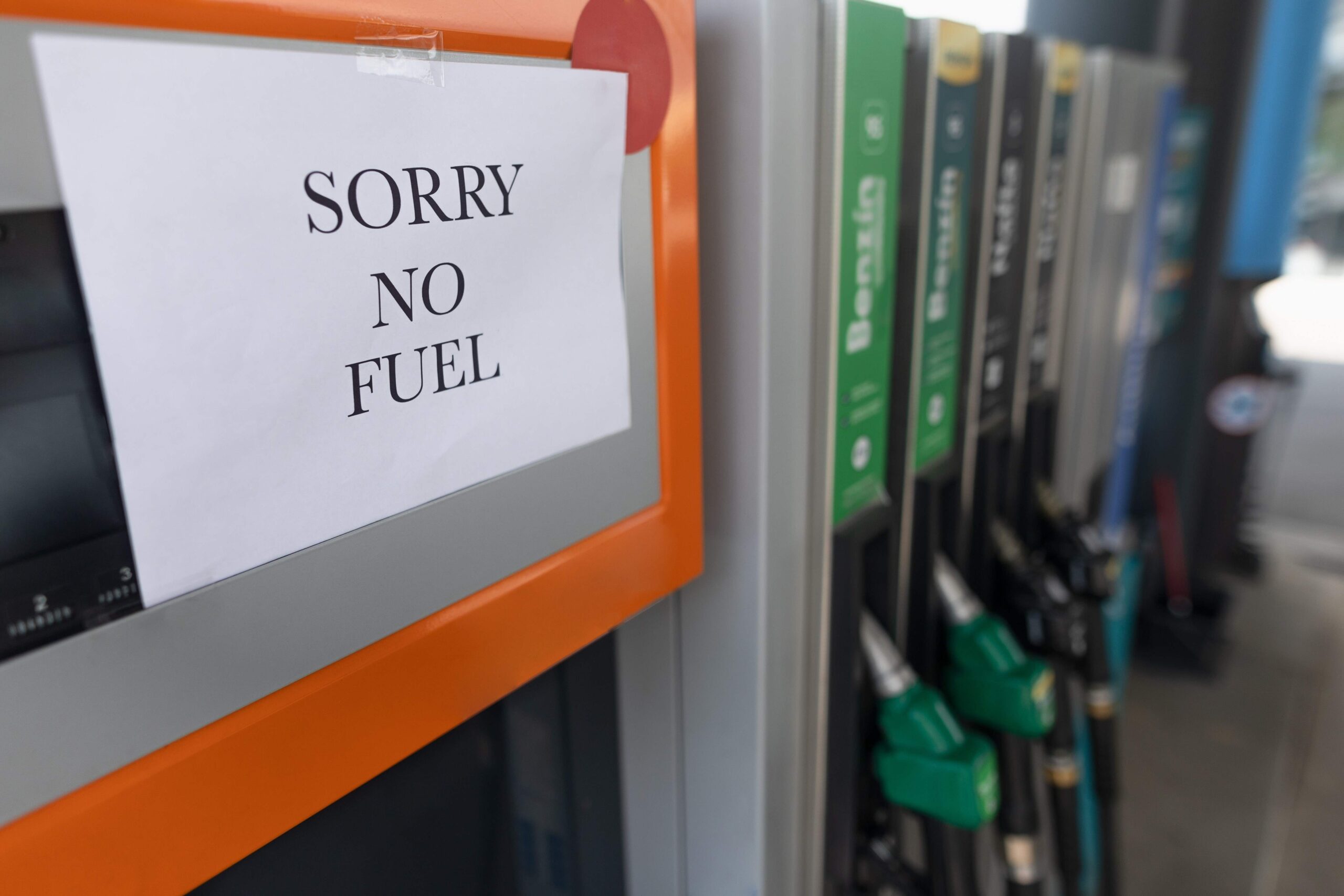
What makes this moment particularly stinging is the lack of resilience in regional areas. In the Parkes electorate and across the Sunshine Coast, reports of 'no fuel' signs at petrol stations are becoming worryingly common. Local MPs have been forced to launch online reporting tools just to track where the shortages are hitting hardest. It’s a stark reminder that while the debate happens in Canberra, the impact is felt at the bowser in Dubbo and Noosa.
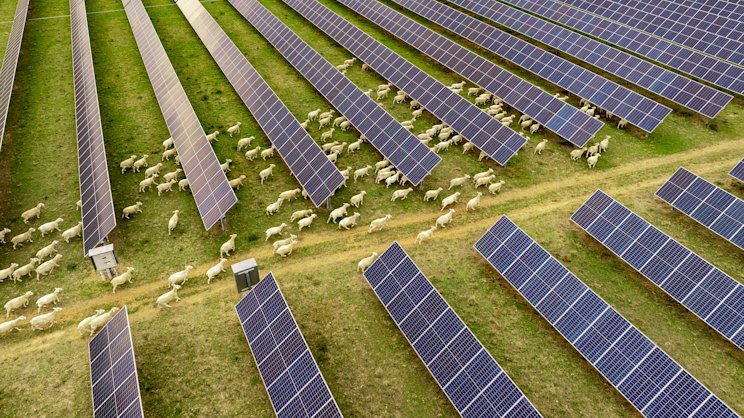
Figueres isn't just pointing out the cracks; she's highlighting the bridge. She maintains that the 'energy crisis' is fixable because the technology—solar, wind, and storage—is already cheaper and more reliable than the alternatives. The shift isn't about waiting for a future invention; it's about the political will to deploy what we already have. Australia’s natural advantage in renewable resources puts it in a unique position to exit this cycle of volatility if it can move fast enough.
Reactions & Responses
The calls for urgent action aren't just coming from international figures. Local leaders are sounding the alarm on the immediate logistics of the crisis. Jamie Chaffey, a prominent regional voice, has been pushing for a more robust tracking system of fuel stocks as communities face the prospect of stranded transport.
This ‘energy crisis’ is fixable. We already have the answers. It is simply a matter of choosing to implement them before the cost of inaction becomes too high.
Meanwhile, the Australian Broadcasting Corporation (ABC) has highlighted how the Iran-Israel conflict serves as a catalyst for these challenges, forcing a rethink of how Australia protects its sovereign interests. The sentiment among policy experts is shifting: fossil fuels are no longer the 'safe' bet they were once perceived to be.
On the Ground
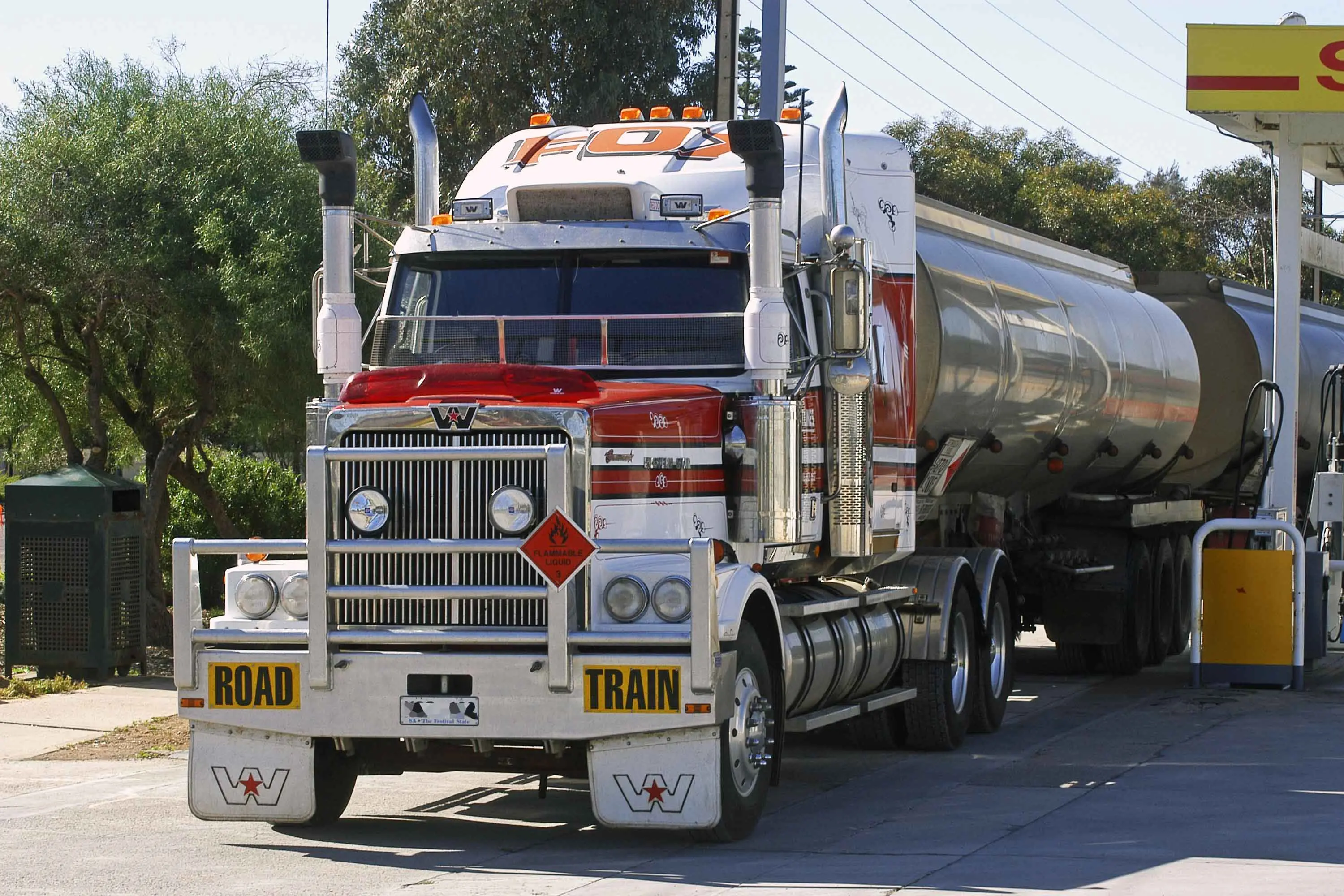
For the average Australian, this isn't an abstract policy debate. It’s about whether you can get to work or if the supermarket shelves stay stocked. In regional NSW and Queensland, the threat of fuel shortages is a direct hit to the cost of living. When fuel security falters, transport costs for groceries and essential services skyrocket.
Coming Up
Expect more pressure on the Federal Government to bolster the national fuel reserve in the short term. However, the long-term focus will likely shift toward accelerating the Renewable Energy Transformation Strategy. Local MPs in affected electorates are calling for a National Fuel Security Audit to be completed by the end of the quarter to prevent further regional outages.
At a Glance
- Global Volatility: Conflict in the Gulf is directly impacting Australian fuel security and pricing.
- Regional Crisis: Parts of regional NSW and QLD are reporting actual fuel shortages at the pump.
- Expert Advice: Christiana Figueres asserts that renewables are the only permanent fix for this instability.
- Security Risk: Australia’s heavy reliance on imported liquid fuels is being reassessed as a major national vulnerability.
- Immediate Action: Report local fuel shortages here to help track the impact on your community.
FAQ
Why is there a fuel shortage in regional Australia?
A combination of global supply chain disruptions caused by Gulf conflicts and a lack of domestic refining and storage capacity has led to localized outages in regional hubs.
Who is Christiana Figueres?
She is a world-renowned diplomat and former Executive Secretary of the UN Framework Convention on Climate Change, famous for brokering the 2015 Paris Agreement.
How can I report a fuel shortage in my area?
Several regional MPs have launched online portals. Residents in the Sunshine Coast and Parkes electorates are encouraged to use their local member's website to log instances of empty pumps.
Are renewables really a solution to fuel for cars?
Yes, through the acceleration of EV adoption and the use of green hydrogen for heavy transport, both of which decrease reliance on imported oil.