
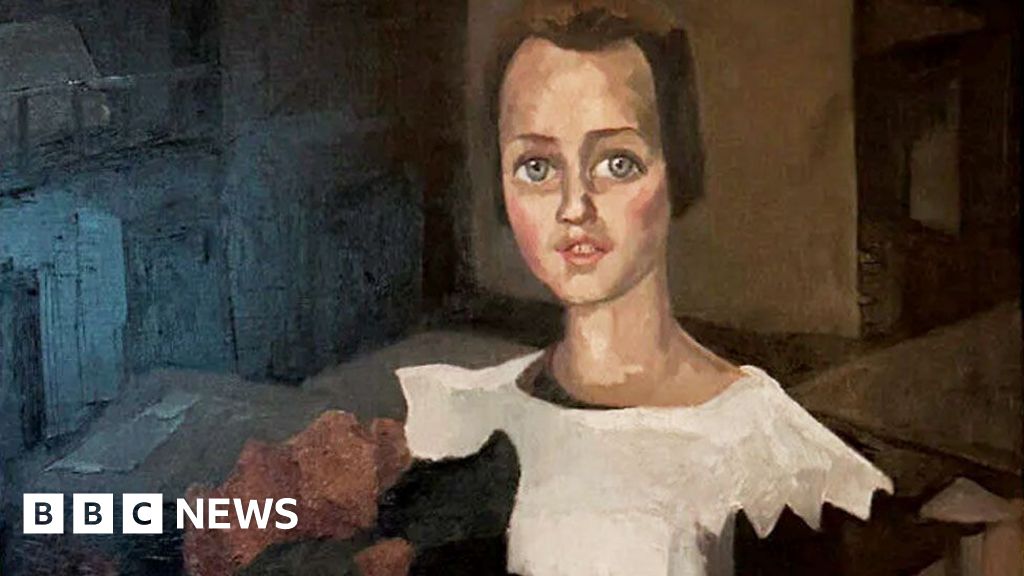
More than 80 years after a Dutch Jewish art dealer lost hundreds of paintings during the Second World War, one missing portrait has suddenly resurfaced inside the family home of a notorious Nazi collaborator. The discovery has reopened painful questions about stolen art, inherited responsibility and how Europe is still untangling wartime secrets generations later. For Australians following the booming market for historical art and collectibles, the story lands with a familiar warning: provenance matters, and hidden histories rarely stay buried forever.
What's interesting is the painting wasn't sitting in a museum vault or private gallery. It had reportedly remained with descendants linked to Hendrik Seyffardt, the Dutch military figure who collaborated with Nazi Germany during the occupation of the Netherlands. That twist alone has turned a quiet restitution case into an international talking point.
The Bottom Line
- A portrait stolen during the Nazi occupation was reportedly found in the home of descendants tied to Dutch SS collaborator Hendrik Seyffardt.
- The artwork originally belonged to Jewish art dealer Jacques Goudstikker, whose collection was heavily looted during World War II.
- The discovery has revived scrutiny around restitution claims and inherited wartime assets.
- European authorities and historians are now examining how the painting stayed hidden for decades.
- Art experts say similar cases could still emerge as archives and family estates are revisited.
Breaking It Down
The painting at the centre of the case traces back to Jacques Goudstikker, one of the Netherlands' most prominent Jewish art dealers before the Nazi occupation. When Germany invaded in 1940, Goudstikker fled the country but died during his escape. His extensive collection — estimated in the thousands — was seized and distributed among Nazi officials and collaborators.
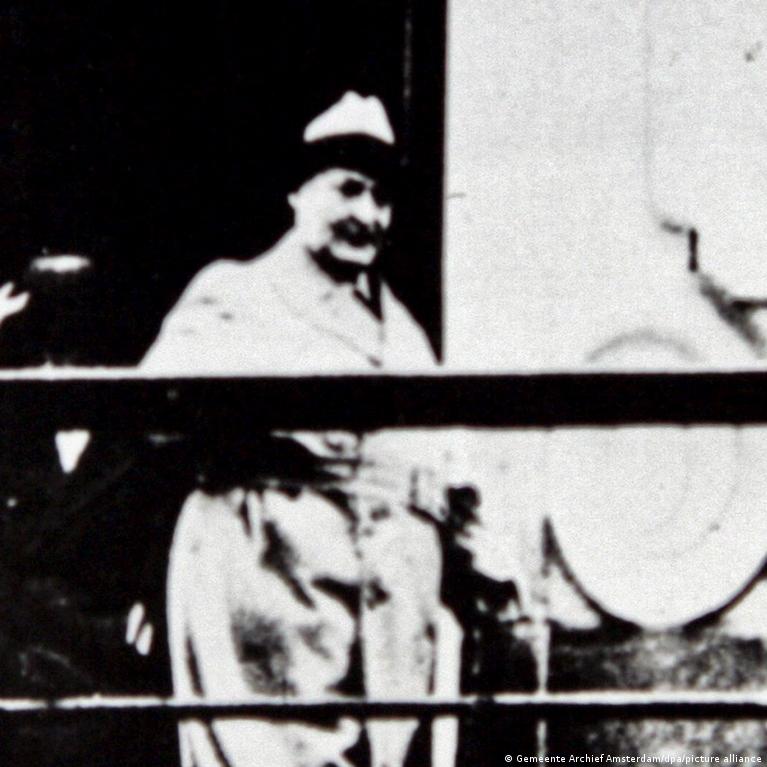
According to reports surrounding the newly uncovered portrait, the artwork eventually ended up linked to the family of Hendrik Seyffardt, a Dutch general who later sided with the Nazis and became a leading collaborator. Seyffardt himself was assassinated by members of the Dutch resistance in 1943, but the painting appears to have remained within family possession long after the war ended.
Here's the thing. Cases like this don't simply revolve around money or ownership papers. They're tied to unresolved trauma from families who lost homes, businesses and cultural identity during the Holocaust. In recent years, European governments and museums have faced mounting pressure to return looted works wherever possible.
Fair dinkum, the timing matters too. Museums, auction houses and collectors worldwide are now under heavier scrutiny than ever before. Auction records are being digitised. Private collections are being examined more closely. Even family attics are turning into unexpected crime scenes from history.
- Restitution
- The legal or moral process of returning stolen property to its rightful owners or descendants.
- Provenance
- The documented ownership history of an artwork or collectible.
- Collaborator
- A person who cooperated with occupying Nazi forces during World War II.
Why This Matters
For readers in Australia, this story cuts deeper than distant European history. Australia's art market has expanded rapidly over the past decade, with international works regularly sold through local auction houses and private dealers. Experts say provenance checks are no longer optional — especially for European pieces dating back to the 1930s and 1940s.
Meanwhile, Holocaust restitution disputes have increasingly become global legal battles. Australian collectors and galleries occasionally face questions over imported works with incomplete ownership records. You might be wondering whether hidden wartime histories still sit unnoticed in private collections worldwide. Historians believe the answer is yes.

There's also a broader cultural shift happening. Younger generations across Europe are digging through family archives and wartime documents with fresh eyes. Some discoveries lead to reconciliation. Others expose uncomfortable truths. The cat's out of the bag for many families who assumed these stories would stay hidden forever.
The recovery of looted artworks continues to reveal painful chapters of wartime history.
What Comes Next
Attention will now turn to whether the painting is formally returned to descendants connected to the original Goudstikker collection. Legal experts expect further provenance investigations, especially if additional artworks linked to the same network surface in the coming months.
Authorities and historians are also likely to revisit archived ownership records tied to wartime Dutch collaborators. If you're following the global art trade, this may not be the last dramatic rediscovery of 2026.
FAQ
Who was Hendrik Seyffardt?
He was a Dutch military general who collaborated with Nazi Germany during the occupation of the Netherlands in World War II.
Who originally owned the recovered painting?
The artwork belonged to Jewish art dealer Jacques Goudstikker before it was looted during the war.
Why is this discovery important?
It highlights how stolen wartime art can remain hidden for decades inside private collections or family estates.
What does restitution mean in art cases?
Restitution refers to returning stolen artworks to their rightful owners or descendants.
Could similar paintings still be undiscovered?
Yes. Historians believe thousands of artworks looted during World War II remain missing or improperly documented.
Does this affect Australia?
Indirectly, yes. Australian collectors and galleries increasingly face stricter provenance checks for historical European artworks.