
Last updated: March 31, 2026
Cicada Variant: The New COVID Strain Spreading Globally Amid Rising Cases
Just when we thought the seasonal rhythm of respiratory bugs was settling down, a new player has emerged on the global stage. BA.3.2, colloquially dubbed the 'Cicada' variant, is currently making a rapid ascent across the United States and has health authorities in Australia keeping a very close watch on the horizon. It’s a reminder that the virus is far from finished with its evolutionary gymnastics.
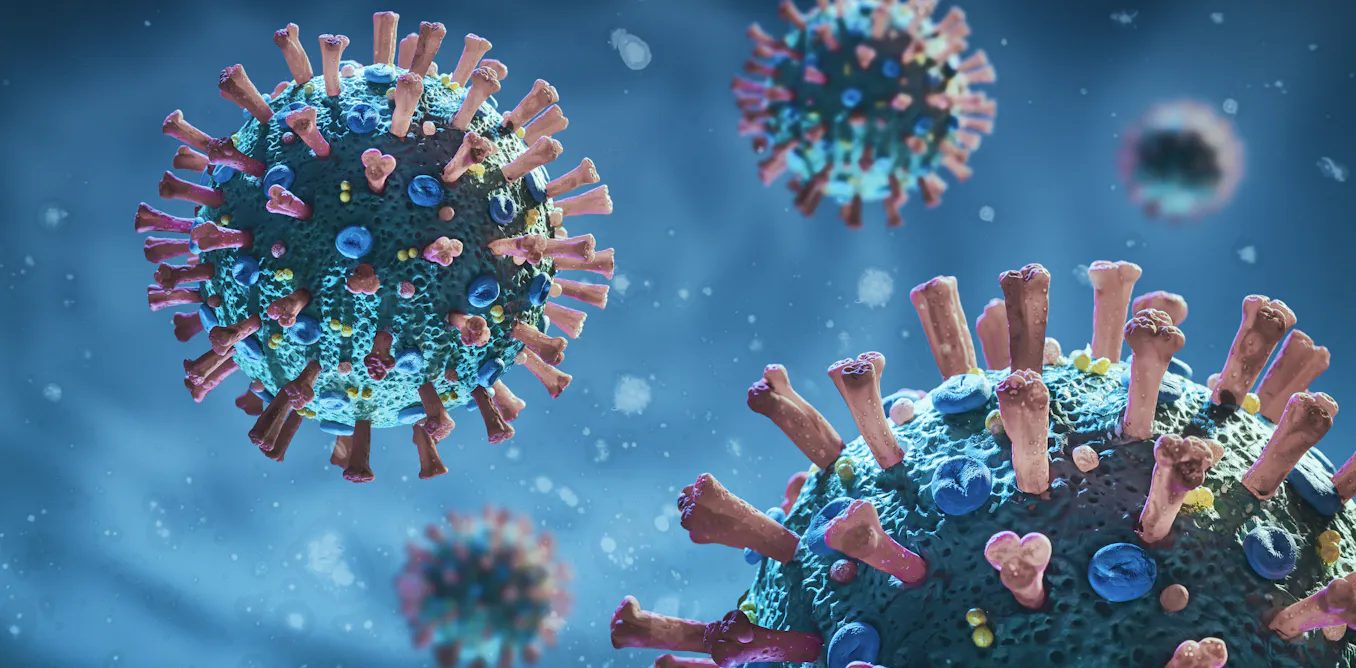
The Bottom Line
- Highly Mutated: Cicada (BA.3.2) features a significant number of mutations in its spike protein, potentially helping it dodge previous immunity.
- Rapid Spread: Already detected in over 25 US states, the strain is being blamed for unseasonable surges in various regions.
- Symptoms: While similar to Omicron, anecdotal reports suggest a higher prevalence of gastrointestinal issues and intense fatigue.
- Aussie Impact: Local health alerts have been issued as international travel continues to facilitate the global spread of new subvariants.
Breaking It Down
The name 'Cicada' might sound like a summer soundtrack, but for health officials, it represents a complex biological puzzle. This variant emerged from the BA.3 lineage but has picked up enough genetic baggage to set it apart from its predecessors. What has researchers leaning in is the sheer speed at which it is outcompeting earlier subvariants in the northern hemisphere. It’s not just a slow crawl; it’s a sprint that suggests a leg up in terms of transmissibility.
As of late March, the variant has solidified its presence across 25 US states, notably impacting Maryland and the Northeast. Doctors are observing that this strain isn't just following the usual playbook.
It appears to be thriving even as weather warms up, leading to concerns about a 'summer surge' that could mirror the disruptions we saw in the early years of the pandemic.
The clinical picture is still being painted, but the early brushstrokes are familiar. Patients are reporting the usual trio of sore throats, congestion, and coughs, but there is a notable uptick in complaints of 'brain fog' and digestive upset. Here’s the thing: because it looks so much like a common cold or the flu, many people aren't testing until they've already passed it on to their colleagues or family members.
BA.3.2 is spreading quickly... it has mutations that may make it better at evading the antibodies we have from vaccines or prior infections.
Why This Matters
For us here in Australia, the rise of a new global variant always serves as a canary in the coal mine. As we head toward our own cooler months, the arrival of a highly transmissible strain like Cicada could put additional pressure on an already stretched healthcare system. It’s not just about the severity of the illness; it’s about the sheer volume of people taking sick leave at once, affecting everything from schools to local businesses.
What’s interesting is the timing. With vaccine fatigue setting in, many Australians haven't topped up their boosters in over a year. If Cicada truly is an 'immune-escape' artist, that lack of recent protection could leave us more vulnerable than we’d like to admit. Prevention is better than a cure, as the old saying goes, and staying up to date with health advice remains our best line of defence.
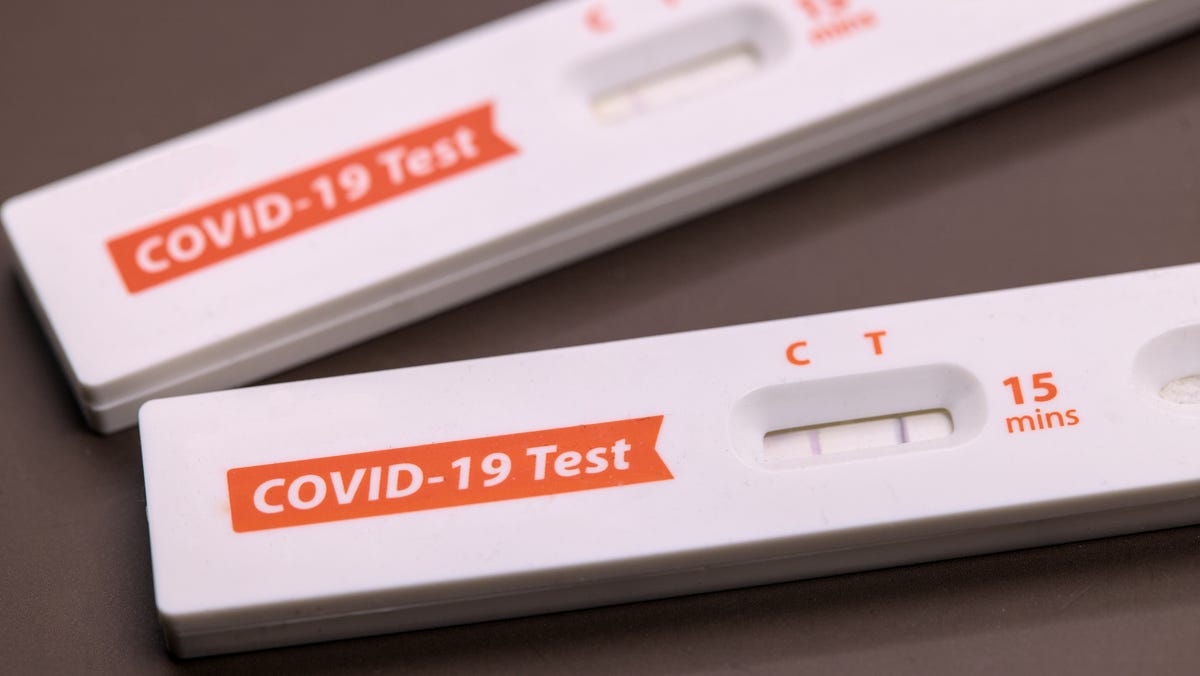
There is also the 'mix-and-match' risk. With RSV and the flu also doing the rounds, the 'triple threat' scenario is no longer a hypothetical. Doctors are urging anyone with symptoms to get tested specifically for COVID-19, as the treatment paths for these different viruses can vary significantly, especially for the elderly and those with underlying health conditions.
What Comes Next
In the coming weeks, the World Health Organization (WHO) is expected to provide a formal update on whether Cicada will be classified as a 'Variant of Interest' or a 'Variant of Concern.' Locally, Australian health departments are monitoring wastewater data closely to detect early signs of BA.3.2 entering our major cities. If you're planning international travel soon, keeping an eye on these updates is a smart move.
FAQ
Current data doesn't suggest that BA.3.2 causes more severe disease than other Omicron subvariants. However, because it spreads more easily, the higher number of total cases could lead to more hospitalisations overall.
While the variant is better at dodging antibodies, vaccines still provide strong protection against severe illness, hospitalisation, and death. Staying up to date with boosters is highly recommended by health officials.
Symptoms include fever, cough, fatigue, and sore throat. Notably, clinicians are seeing more reports of nausea and diarrhoea compared to earlier Omicron versions.
The name is an unofficial nickname used by the online variant-tracking community to make these complex alphanumeric codes (like BA.3.2) easier for the public to discuss and identify.