
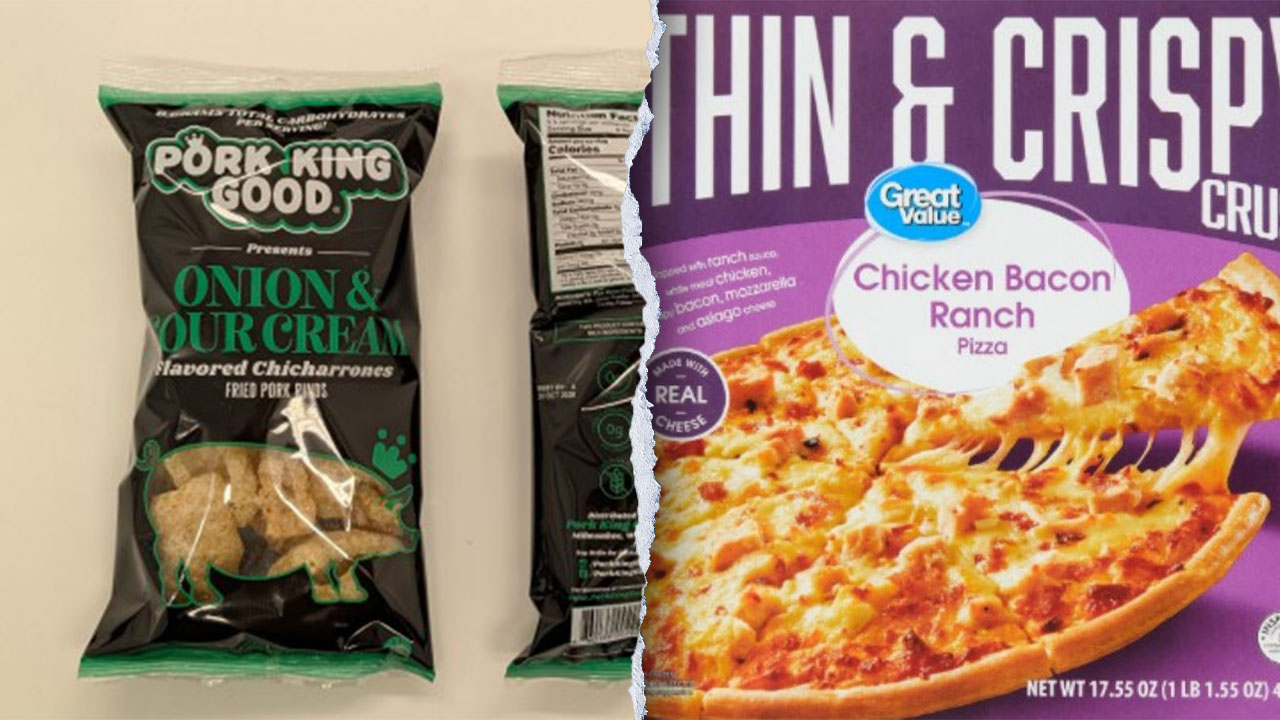
Aldi-linked frozen pizzas have been pulled from shelves after health authorities flagged a potential Salmonella risk across multiple products sold internationally in early May 2026. The recall, tied to broader alerts involving Walmart and other retailers, has triggered urgent warnings for shoppers to check their freezers.
The Full Story
The issue surfaced when food safety authorities identified a potential link between certain frozen pizzas and Salmonella contamination. Products sold through major retailers, including Aldi and Walmart, were quickly flagged, prompting a recall across multiple regions. The concern isn’t isolated either — it’s part of a broader pattern involving snacks, dairy items, and meat products.
What’s interesting is how quickly this snowballed. Investigators traced the issue back to contaminated ingredients used across several supply chains. Once that link was confirmed, recalls expanded rapidly. Bit of a domino effect, really — one supplier issue, and suddenly shelves across different stores are impacted.

Health officials have warned that Salmonella can cause symptoms like fever, diarrhoea, and abdominal cramps. While most healthy adults recover, the risk is higher for young children, older Australians, and people with weakened immune systems.
This isn’t the first time frozen foods have been caught in a contamination scare. Similar incidents in recent years have shown how interconnected food production has become — one weak link can ripple across continents.
Key Figures
Food Safety Authorities: Agencies responsible for identifying and issuing alerts about contaminated products.
Retailers (Aldi, Walmart): Distributors affected by the recall, tasked with removing products and informing customers.
Consumers: Everyday shoppers now being urged to check purchased items and avoid consumption.
Facts & Figures
- Multiple frozen pizza varieties impacted across different retailers.
- Salmonella infections typically appear within 6 to 48 hours after exposure.
- Food recalls linked to Salmonella remain one of the most common safety alerts globally.
What This Means
If you’re in Australia, you might be wondering — does this affect your local Aldi? While many of the flagged products were distributed overseas, supply chains overlap more than most people realise. That means similar products or ingredients could appear locally.
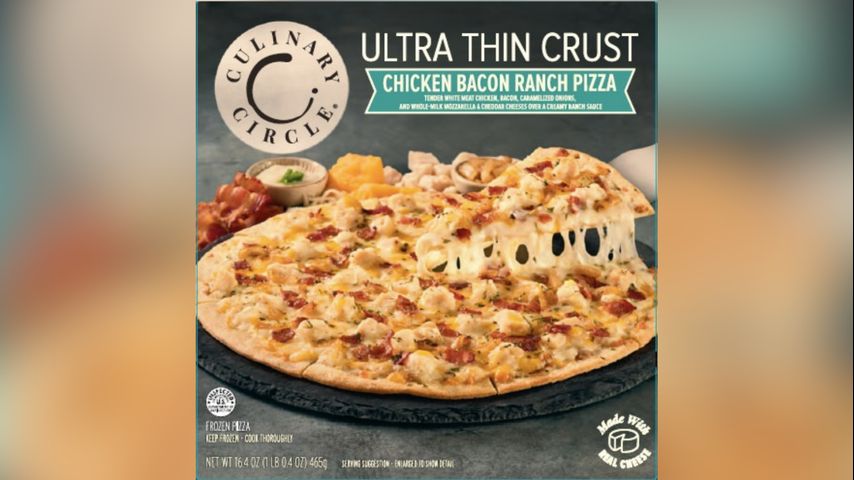
Here’s the thing — recalls like this highlight just how globalised our food system is. A contamination issue overseas can still hit Aussie households indirectly. Better safe than sorry is the name of the game right now.
For consumers, it’s a reminder to stay alert. Checking product labels, following recall notices, and keeping an eye on updates isn’t just cautious — it’s necessary.
What to Expect
Authorities are continuing to monitor the situation, with further updates expected as testing continues. Retailers are likely to expand recall lists if additional products are linked. Consumers should watch for official notices and avoid consuming any recalled items.
FAQ
Which Aldi products are affected?
Specific frozen pizza varieties linked to contaminated ingredients are included, though exact lists vary by region.
What is Salmonella?
A bacteria that can cause food poisoning, leading to stomach cramps, fever, and diarrhoea.
How do I know if my food is recalled?
Check official recall notices and compare product codes and packaging details.
What should I do if I have the product?
Do not eat it. Dispose of it safely or return it to the retailer.
Are Australian stores affected?
Most recalls are overseas, but supply chain overlaps mean local checks are recommended.
How serious is Salmonella infection?
Usually mild, but it can be severe for vulnerable groups like children and the elderly.