
300 million people worldwide are estimated to engage in some form of practical joking every April 1st. While most of us are just trying to avoid a 'kick me' sign on our backs, the tradition spans centuries, cultures, and continents. It is a day where the usual rules of social conduct are suspended in favor of a bit of a laugh, provided you don't cross the line into genuine mischief.
The Bottom Line
- The exact origins of April Fools' Day remain a mystery, though theories link it to the 1582 calendar shift in France.
- Major corporations like Burger King and the BBC have historically participated with elaborate, high-budget hoaxes.
- In Australia, pranking usually wraps up by midday, following the traditional British 'rule' of the day.
- Psychologists suggest the day serves as a vital social 'safety valve' for collective stress relief.
Breaking It Down
Tracing the roots of this day is like trying to nail jelly to a wall. One of the most popular theories dates back to 1582, when France switched from the Julian calendar to the Gregorian calendar. People who were slow to get the memo and continued to celebrate the New Year around April 1 rather than January 1 became the butt of jokes. They were called 'Poisson d’Avril' (April Fish), referring to young, easily caught fish.
However, the spirit of the day goes back even further to ancient festivals like Hilaria in Rome or the Holi festival in India. It seems humanity has always had a built-in need to act the fool once the weather starts to turn. By the 1700s, the English had fully embraced the 'Gowkie Day' tradition, and it hasn't slowed down since. Fair dinkum, we’ve seen everything from spaghetti growing on trees to left-handed burgers over the years.
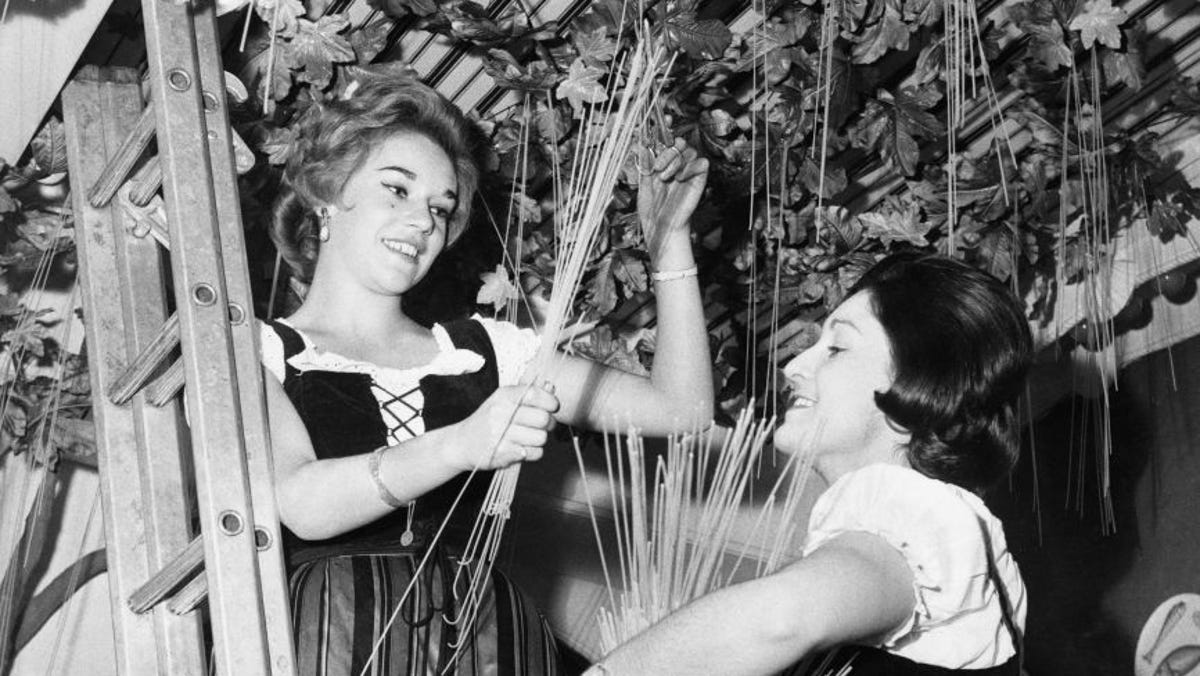
The media has played a massive role in elevating the 'art' of the prank. In 1957, the BBC famously broadcast a segment showing Swiss farmers harvesting spaghetti from trees. Thousands of viewers called in asking how to grow their own. Closer to home, we've seen local brands announce 'Vegemite-flavored toothpaste' or 'kangaroo-powered public transport' just to see who’s paying attention. It’s all about the shock factor followed by the inevitable relief of the reveal.
April Fools' Day has a long, laughable history that reminds us not to take life too seriously, even when the joke is on us.
Why This Matters
Why do we keep doing this? In an age of 'fake news' and misinformation, you’d think we’d be over it. But there’s a distinct difference between a malicious lie and a cheeky April Fools gag. For Australians, it’s a moment of levity. It connects us to a global community of pranksters and tests our collective critical thinking skills. It's the one day where 'don't believe everything you read' is actually the official slogan.
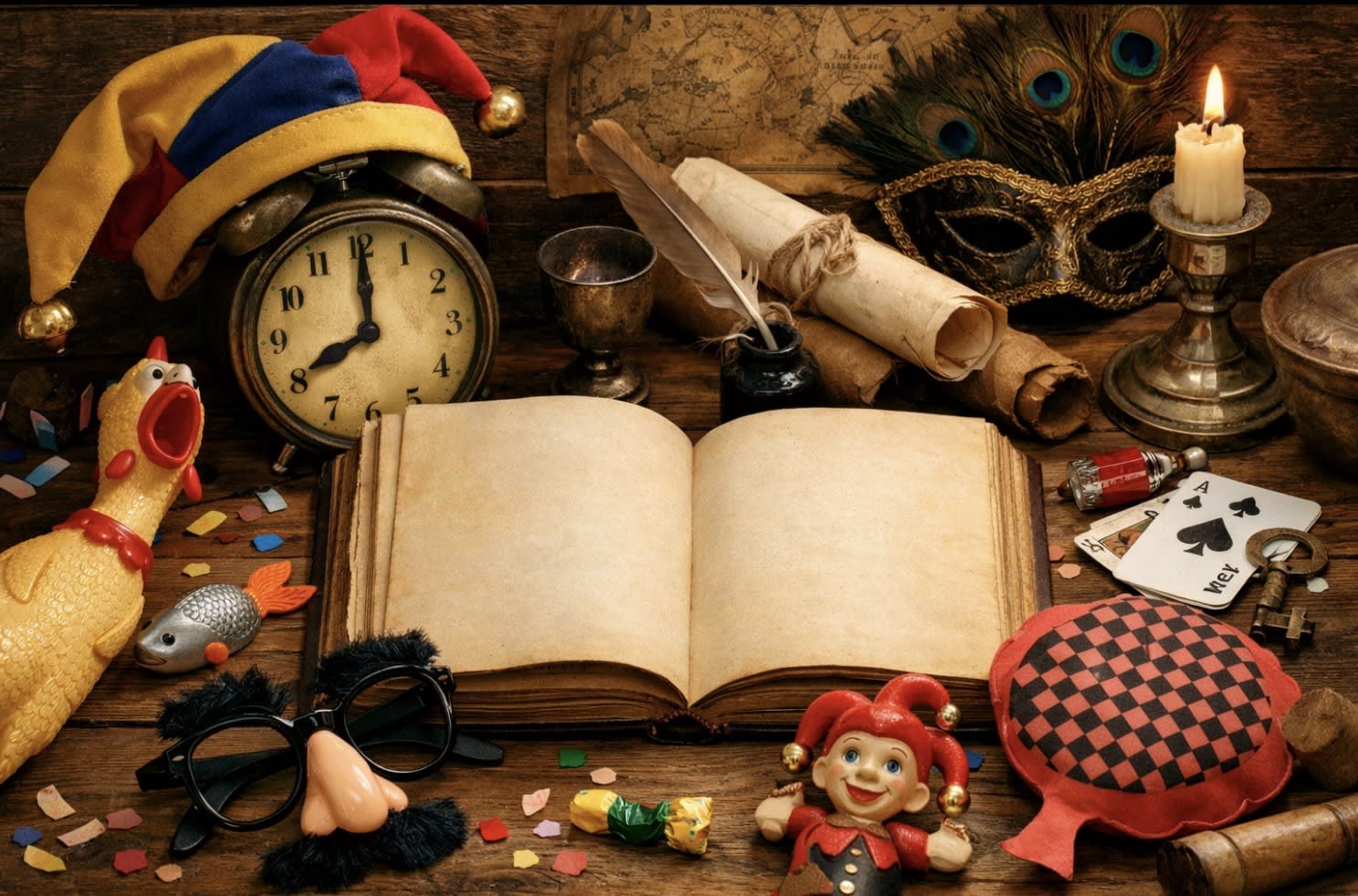
There is also a commercial side. Brands use the day to show their 'human' side, often offering deals and discounts alongside their fake announcements. Major chains often release limited-time 'joke' products that actually turn into real marketing wins. It’s a low-stakes way for companies to engage with customers through shared humor, which is gold in the digital economy.
What Comes Next
As April 1 approaches, expect a surge in social media 'announcements' from your favorite brands and influencers. Pro tip: If it sounds too good (or too weird) to be true, check the date before you share it. Locally, most major Australian outlets will drop their 'big reveal' early in the morning, so keep your wits about you during your morning coffee and scroll.
FAQ
When exactly does April Fools' Day end?
In many Commonwealth countries, including Australia and the UK, the 'rule' is that pranks must be revealed by 12:00 PM. Anyone pulling a prank after midday is technically the fool themselves!
Why is it called 'Poisson d’Avril' in France?
It translates to 'April Fish.' The name likely refers to young fish that are easily caught, much like an unsuspecting person is easily 'caught' by a joke.
Are there any 'safe' pranks I can do at work?
Stick to the classics: a 'broken' computer mouse (tape over the sensor) or a 'voice-activated' toaster sign. Avoid anything that causes actual stress or property damage.
Is April Fools' Day a public holiday?
No, it is a secular observance. Banks, schools, and businesses remain open, though productivity might dip slightly as people look for the next gag!