
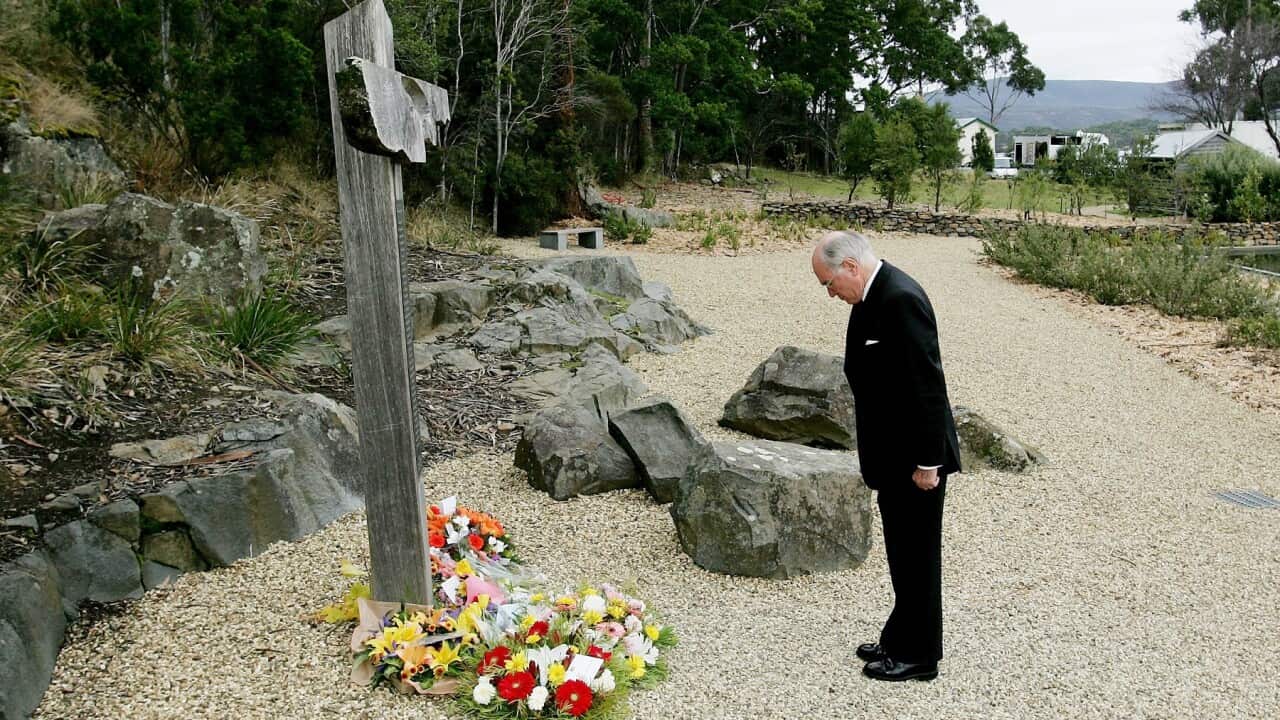
The quiet air of the Tasman Peninsula was today filled with the heavy scent of native flowers and the soft sound of 'words of love'. Thirty years have passed since the morning that fractured Australia's sense of safety, yet for the families of the 35 people lost, the grief remains as sharp as a sea breeze. On this milestone anniversary, the nation has paused to honour those killed in a tragedy that didn't just break hearts—it fundamentally changed our laws and our identity.
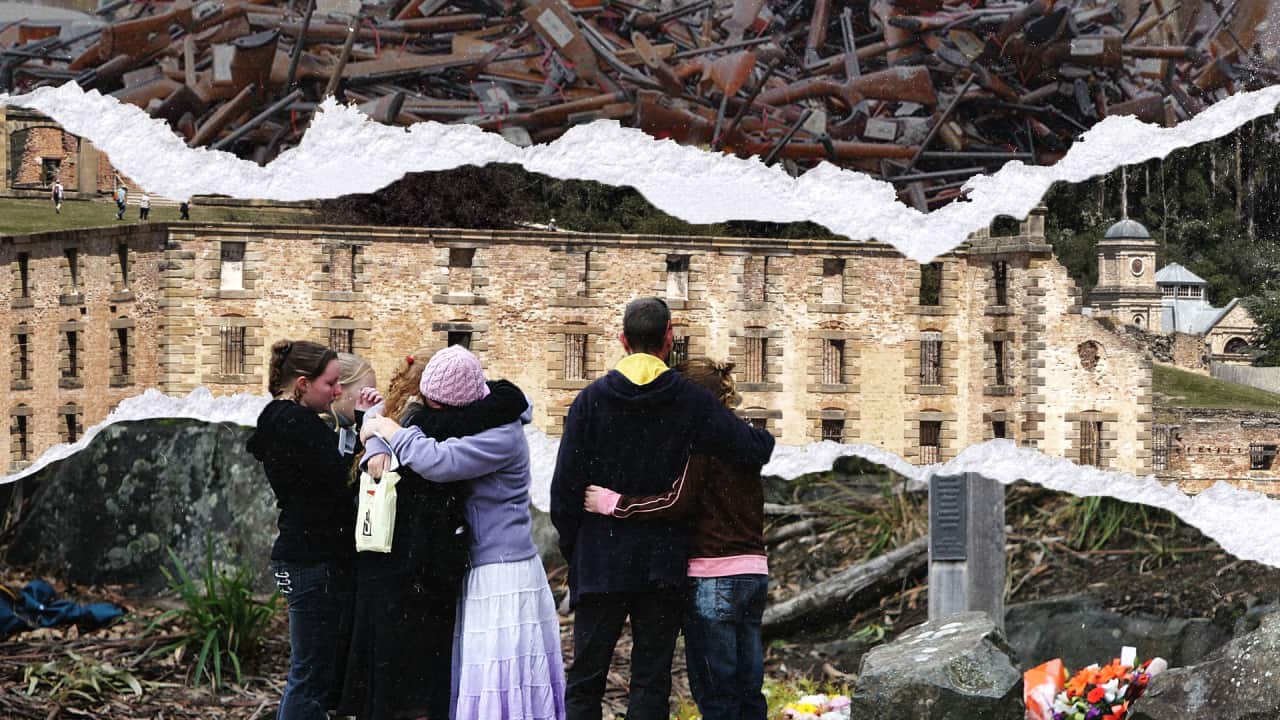
How Events Unfolded
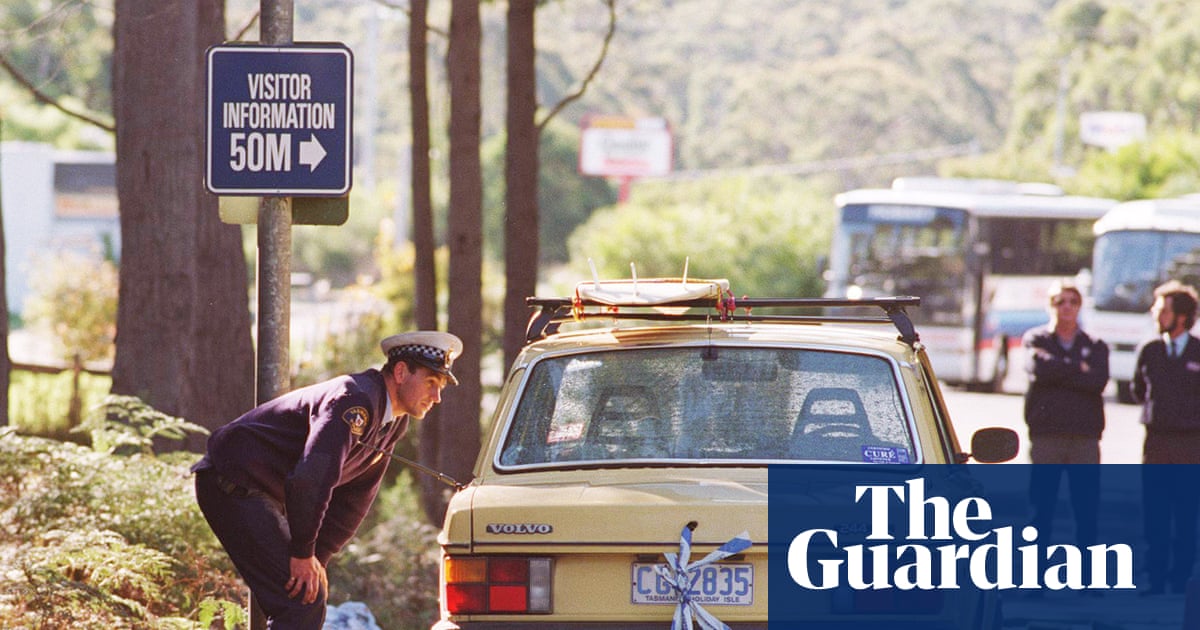
On April 28, 1996, a lone gunman transformed a historic tourist site into a scene of absolute terror. The violence began at Seascape, a local guesthouse, where the first victims—owners David and Noelene Martin—were targeted before the shooter moved to the Broad Arrow Café. In a matter of minutes, a peaceful Sunday afternoon became the deadliest mass shooting in modern Australian history.
First responders like Peter James, a paramedic who rushed toward the chaos, still carry the weight of that day. He recalls the sheer scale of the emergency, noting that while some were falling apart in the moment, the psychological toll would eventually catch up to everyone involved. The trauma wasn't confined to the site; it rippled through the local community and back to every lounge room in the country as the news broke.
For the descendants of those lost, like the granddaughter of the Martins, the anniversary isn't about the killer, but about the vibrant lives that were cut short. They were the first victims, yet their family ensures they are never forgotten, keeping their memory alive even as three decades have passed. This year's ceremony at the Port Arthur Historic Site focused heavily on this human connection—healing through remembrance rather than dwelling on the darkness.
Digging Deeper
Why does Port Arthur still loom so large in the Australian psyche? Beyond the tragic loss of life, it was the catalyst for one of the most significant legislative shifts in our history. Within weeks of the massacre, the Howard Government introduced the National Firearms Agreement, implementing a massive gun buyback program that removed over 650,000 weapons from circulation.
This move wasn't just a policy tweak; it was a cultural line in the sand. It signaled that Australia would not follow the path of other nations where mass shootings become a frequent reality. However, as we mark 30 years, experts are asking if our gun control measures are still strong enough in the face of evolving technology and illicit markets. It is a debate that keeps the memory of 1996 active and relevant today.
What People Are Saying
The voices heard today were those of survivors, families, and those who provided the first line of care during the crisis. Their reflections highlight a community that has refused to be defined solely by tragedy, choosing instead to be defined by its resilience.
Some people were falling apart. I would become one of them.
Others spoke of the enduring bond formed by shared loss. The 'words of love' shared during the memorial services across Tasmania and the mainland served as a reminder that the Australian spirit is as tough as old boots when it comes to supporting our own during hard times.
Putting It in Perspective
For younger Australians, Port Arthur is a chapter in a history book, but for those who lived through it, it changed how we move through public spaces. The ripple effects are seen in every security protocol and every debate about public safety. It established a precedent for decisive government action in the face of national crisis—a legacy that continues to influence how the ACT and federal leaders approach safety policy.
The impact is also deeply personal. The 35 lives lost represent thousands of missed birthdays, graduations, and quiet family moments. By acknowledging this 30-year mark, Australia reaffirms its commitment to the idea that such a tragedy must never happen on our shores again.
Looking Ahead
While the formal ceremonies conclude, the discussion around the National Firearms Agreement is expected to intensify as the 30th year continues. Advocacy groups are calling for a review of state-based loopholes to ensure the 'gold standard' of gun control remains intact. For the survivors, the path forward remains one of quiet advocacy and the ongoing, slow work of healing.
Frequently Asked Questions
When did the Port Arthur massacre happen?
The tragedy occurred on April 28, 1996, at the Port Arthur Historic Site in Tasmania.
How many people were killed in the Port Arthur shooting?
A total of 35 people lost their lives, and another 23 were injured during the attack.
How did Australia's laws change after Port Arthur?
The government introduced the National Firearms Agreement, which banned certain semi-automatic weapons and established a national gun registry and buyback scheme.
Is the Port Arthur Historic Site still open?
Yes, the site remains a major tourist destination and a place of reflection, with a memorial garden dedicated to the victims.
What was the Broad Arrow Café?
It was the site of the main attack. Today, it stands as a roofless memorial—a place of quiet contemplation for visitors.