
Last updated: March 30, 2026
Dezi Freeman: The Violent End of a 7-Month Manhunt
Smoke drifted through the crisp mountain air in Victoria’s north-east as the high-stakes game of hide-and-seek finally turned deadly. After more than 200 days on the run, fugitive Dezi Freeman was cornered in a squalid bush encampment, choosing a final, violent confrontation over surrender. The 47-year-old was shot dead by specialist police on Monday afternoon, bringing a traumatic chapter for the Victorian community to a bloody close.
How Events Unfolded
The resolution began when investigators received a breakthrough tip-off regarding a hidden campsite near Porepunkah. For months, Freeman had been the state’s most wanted man, vanishing into the rugged high country after the alleged murder of a police officer last year. Tactical units moved in with precision, but Freeman wasn't going quietly; he reportedly engaged in a three-hour stand-off with the Special Operations Group.
As the sun began to dip, the situation escalated. Police gave him every chance to drop his weapon, but according to witnesses and official reports, the fugitive fired upon officers first. Return fire was swift and lethal. By the time the echo of shots faded, Freeman lay dead at the scene, ending a search that had cost millions and kept local residents on edge since he first disappeared into the fog seven months ago.
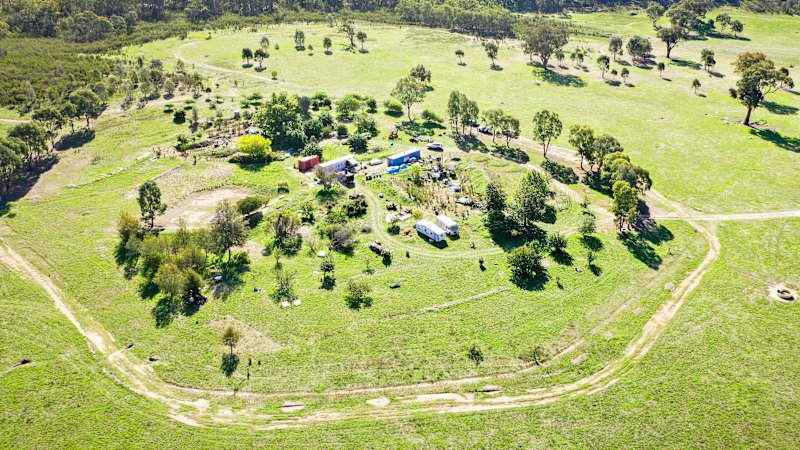
The encampment itself told a story of a man living on the fringes. Hidden deep within the scrub, the site was described as "squalid," filled with makeshift shelters and supplies that suggested he hadn't been acting entirely alone. This has now shifted the police focus toward a new target: the network of people who helped him stay off the grid for so long.
Critical Details
Why did Freeman shoot at the police? To understand the final act, you have to look at the ideology that drove him. Freeman was increasingly associated with "sovereign citizen" beliefs—a fringe movement that rejects the authority of the government and law enforcement. This extremist worldview likely fueled his perception of the police not as officers of the law, but as hostile combatants in a private war.
His behavior leading up to the shooting was described by former associates as increasingly erratic and paranoid. Being a fugitive is a pressure cooker, and for someone already distrustful of authority, the presence of tactical teams was the ultimate trigger. In his mind, there was no middle ground; it was a dead-end street he had paved himself through months of evasion and previous violence.
Reactions & Responses
The political response was blunt. Victorian Premier Jacinta Allan did not mince words when addressing the media following the confirmation of his death. She reflected a sentiment felt by many in the force who had lost a colleague to Freeman's alleged actions months prior.
An evil man is dead. He will never again be able to harm a member of our community or the police officers who work so hard to keep us safe.
However, the fallout hasn't been without friction. While many celebrated the end of the threat, Freeman’s son spoke out against the public "celebration" of the killing. He acknowledged the gravity of his father's actions but reminded the public that "that's still my father," highlighting the complex grief of families caught in the wake of such violence.
Putting It in Perspective
This event isn't just a local crime story; it’s a grim reminder of the rising tide of anti-authority sentiment in regional Australia. The seven-month duration of the manhunt reveals how difficult it is to track a determined individual in Australia's vast wilderness, especially when they have local support or a survivalist mindset. For residents in north-east Victoria, the end of the search means they can finally walk their dogs and go about their lives without looking over their shoulders.
The ripple effects will be felt in how Victoria Police handle similar high-risk fugitives in the future. There is now a significant push to investigate the "helpers"—those who provided food, information, or shelter. Stronger penalties for assisting fugitives are already being discussed in political circles to deter others from enabling similar stand-offs.
Looking Ahead
A standard coronial inquest will be held, as is mandatory for any police-involved shooting in Australia. Meanwhile, detectives are currently scouring the Porepunkah campsite for forensic evidence that might link Freeman to other unsolved crimes or identify his accomplices. Expect a series of arrests in the coming weeks as police execute warrants on individuals suspected of aiding his flight from justice.
FAQ
Where was Dezi Freeman found?
He was located in a makeshift, squalid bush camp in the mountains near Porepunkah, in Victoria's north-east.
Why did police shoot Dezi Freeman?
After a three-hour stand-off, Freeman allegedly fired at officers first, prompting tactical units to return fire in self-defence.
Who helped Dezi Freeman stay hidden for seven months?
Police are currently investigating several individuals believed to have provided supplies and information to Freeman while he was on the run; no names have been officially released yet.