
A shrieking 10-second siren is about to blast through millions of Australian smartphones as the federal government ramps up testing for its brand-new emergency warning infrastructure. The localized geo-targeted trials have already caught regional residents by surprise, prompting emergency officials to issue strict guidance for drivers and domestic violence advocates to sound urgent warnings regarding hidden safety devices.
What We Know So Far
The federal government is deploying a $132 million emergency alert network called AusAlert, designed to deliver near-instantaneous emergency messages using state-of-the-art cell-broadcast technology. Unlike the legacy SMS alert system, this setup allows emergency authorities to broadcast real-time data to specific geographic zones during life-threatening crises like bushfires, floods, biosecurity threats, and public safety incidents. The system is scheduled to fully launch in October 2026 to protect communities ahead of the peak summer bushfire season, operating alongside the older text system until the current infrastructure is officially phased out in July 2027.
A series of localized live trials are taking place across diverse regional hubs throughout June to verify the system software under realistic network environments. Communities in Liverpool in Sydney's southwest, Duffy in the ACT, Launceston in Tasmania, Tennant Creek in the Northern Territory, and Goomalling in Western Australia have already experienced the initial tests. Further trials have targeted Victorian residents in the Geelong suburbs of Belmont and Highton, alongside scheduled weekend activations in Port Lincoln in South Australia and across the New South Wales-ACT border in Queanbeyan.
During these preliminary trials, compatible smartphones, tablets, and smartwatches within the target zones are hit with a distinctive, loud siren-like warning tone and a distinct vibration lasting for approximately 10 seconds. A text alert simultaneously populates on device screens indicating that the notification is an official test and requires no public action. Officials anticipate that roughly 90 per cent of all consumer mobile phones currently active across Australia are fully compatible with this advanced cell-broadcast technology.
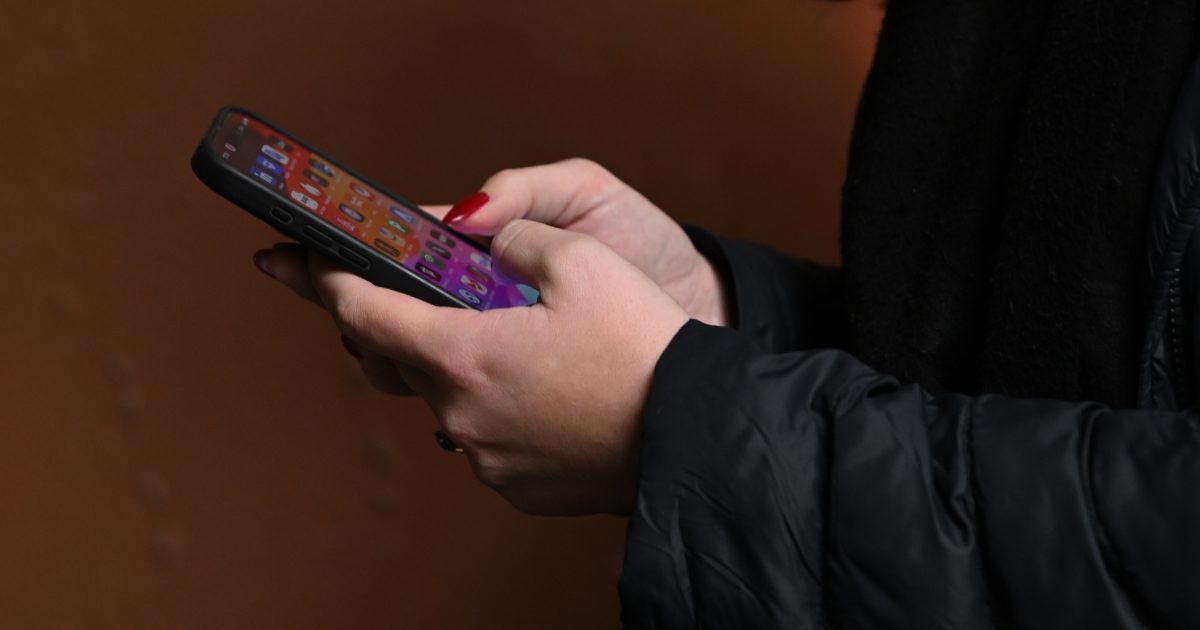
The current localized rollouts are structurally categorized as priority alerts, which behave differently than the upcoming nationwide master trial. These priority alerts mimic a standard watch-and-act notification, meaning they respect individual handset privacy choices and will not sound if a phone is manually toggled to silent or do not disturb. However, emergency directors caution that the system will escalate significantly during the next phase of deployment, which will evaluate critical-tier emergency broadcasts.
What People Are Saying
Community feedback from the ground has revealed mixed reactions, highlighted by significant operational concerns regarding local mobile infrastructure and personal safety. In the Western Australian wheatbelt town of Goomalling, local pharmacist Mark Ashton noted that the high-pitched intrusion disrupted local businesses as community members struggled to realize what was occurring. Meanwhile, local grocery store owner Rachael Goldson reported that she failed to receive any broadcast transmission at all, despite her husband receiving a text and her daughter's phone vibrating normally.
Goomalling Shire President Julie Chester voiced strong support for enhanced disaster communications but identified regional connectivity as a major structural vulnerability for the software rollout:
I think it's vital because we are having an increase of natural disaster events … but my only concern in regards to this alert is the mobile coverage. And when you have a natural disaster and the network goes down, I'm not sure if [AusAlert] is going to be working then.
The Assistant Minister for Emergency Management, Josh Wilson, defended the aggressive testing timeline, emphasizing the necessity of ironing out software bugs through regional testing before the peak disaster season begins:
We think this is an important new kind of function in helping to keep Australians safe. When you have a really dangerous situation [AusAlert will help] get information to people so they can consider their circumstances.
How This Affects You
For ordinary motorists and citizens across Australia, the primary immediate directive is to remain completely calm during live trials and resist the urge to handle devices unlawfully while operating a motor vehicle. Transport authorities have explicitly warned that standard mobile driving laws remain fully active during these tests, meaning drivers must keep their eyes on the road and continue moving normally without checking their screens when the siren sounds.
A far more serious risk has been flagged by domestic violence advocacy groups, who warn that the upcoming critical tests pose a severe threat to victim-survivors utilizing hidden safety devices. Because the master system overrides basic phone settings, a hidden safety phone could instantly blast a loud siren even if it has been set to silent, completely exposing its physical location to a perpetrator of violence.
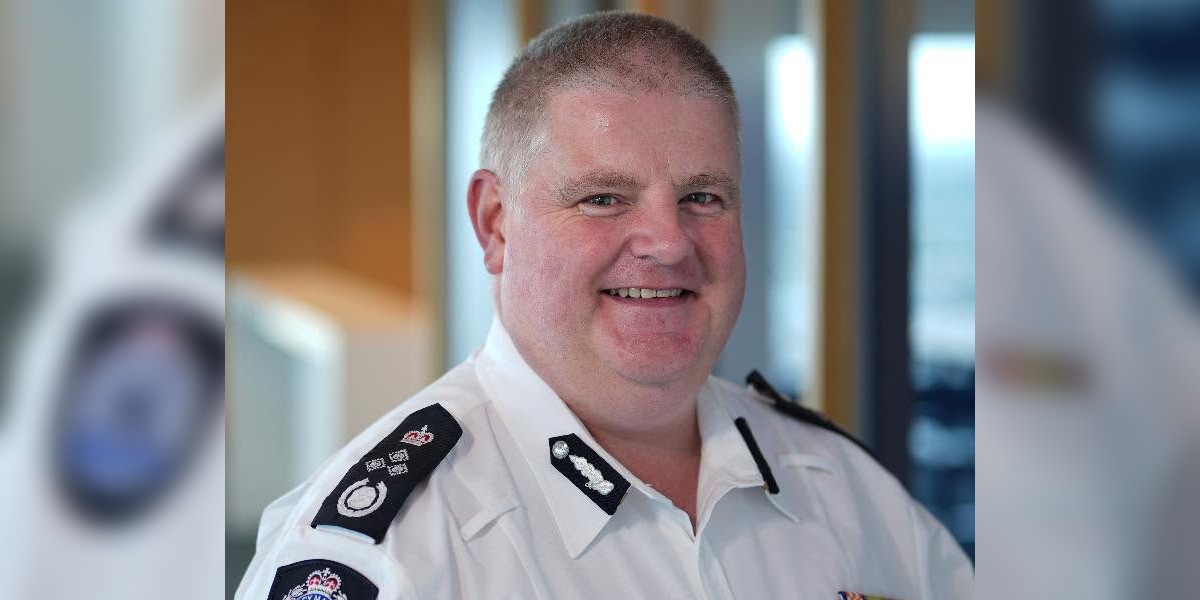
To mitigate this risk, family violence experts from Safe and Equal and DV Safe Phone are advising vulnerable individuals to take rigorous precautions. Anyone maintaining a secret backup phone must manually switch the device completely off or activate flight mode at least one full hour prior to a scheduled test, keeping it completely shut down for 24 hours. Advocates suggest turning the device back on only when physically away from the home environment, while ensuring children's emergency devices are also fully deactivated during the test windows.
Coming Up
The regional trial phase will conclude at the end of this week to allow technical teams to review network data ahead of the mandatory nationwide system demonstration. Every single compatible mobile device across Australia is scheduled to receive a coordinated critical alert test at exactly 2:00 PM AEST on Monday, 27 July. This critical-tier national test will deliberately bypass all user settings, meaning it will override silent profiles, do not disturb functions, and standard volume restrictions to deliver a loud siren broadcast to the entire population simultaneously.
At a Glance
- The new $132 million AusAlert system uses advanced cell-broadcast technology to transmit localized emergency messages within seconds.
- Initial priority testing has hit regional hubs including Launceston, Geelong, Tennant Creek, and Liverpool ahead of a full October launch.
- The broadcast produces a distinct siren-like tone and physical vibration on devices that persists for approximately 10 seconds.
- Domestic violence advocates warn that the alerts will override silent modes, risking the exposure of hidden safety phones used by victim-survivors.
- A mandatory nationwide test targeting approximately 90 per cent of Australian mobile phones will occur on July 27 at 2:00 PM AEST.
Frequently Asked Questions
Why did my mobile phone suddenly make a loud siren noise?
Your device likely processed a localized test of AusAlert, Australia's new cell-broadcast emergency warning system. The system emits a distinctive 10-second siren sound and a screen notification to test emergency capabilities before the upcoming summer disaster season.
When is the nationwide test of the AusAlert system happening?
The comprehensive nationwide test is scheduled for Monday, 27 July at exactly 2:00 PM AEST. Unlike the regional trials, this nationwide event will deploy a critical alert that overrides basic handset volume profiles.
Will the emergency alert sound if my phone is set to silent or do not disturb?
During the current localized regional trials, a priority alert is used, meaning it will not override your personal silent or do not disturb profiles. However, the national test on July 27 will use a critical alert, which will completely bypass silent settings and sound a loud alarm regardless of your settings.
How can victim-survivors protect hidden safety phones from making noise?
To prevent a hidden phone from being exposed by the emergency siren, you must switch the device completely off or turn on aeroplane mode at least one hour before the test begins. Safety advocates recommend leaving the device entirely off for 24 hours and turning it back on only when away from home. If an alert goes through and you are unsafe, call the police immediately at 000 or utilize support services like 1800 RESPECT (1800 737 732).
Do I need to download an app or register to receive these emergency warnings?
No, you do not need to register or download any specialized software. The AusAlert system uses direct cell-tower broadcasting to push messages straight to all compatible mobile phones, tablets, and smartwatches physically located within an endangered geographic area.