
The chamber moved quickly, the gallery had been packed earlier, and outside Parliament House the argument had already spilled onto the steps. By shortly after 9:30pm ACST, South Australia’s lower house had shut down a bill that would have sharply restricted late-term abortion access. The final vote was 36 to 9, after the legislation had passed the upper house earlier the same day by 10 votes to 9. The defeat means South Australia’s existing framework remains in place: abortions after 23 weeks can proceed with approval from two doctors when continuing the pregnancy involves significant risk to the pregnant person’s physical or mental health.
How Events Unfolded
The bill, introduced in the upper house by Family First MP Sarah Game, would have effectively banned abortion from 25 weeks onwards except when necessary to save the life of the mother or in cases of serious fetal abnormalities. It passed the upper house on Wednesday with support from three newly elected One Nation MPs, making it the furthest an anti-abortion bill has advanced through South Australia’s parliament after earlier bids in 2024 and 2025 failed in the upper house.
The government had indicated that if the bill cleared the upper house, it would bring the matter to a lower house vote that night. One Nation MP Chantelle Thomas, who introduced it in the lower house, unsuccessfully tried to delay debate until November 25, saying MPs needed more time to consult constituents.
That delay did not happen. Speaker Nat Cook told Thomas the house had agreed to debate the legislation that night, and less than two hours later the bill was defeated. Only 12 of 47 MPs in the lower house spoke before the vote, according to the ABC report on the vote.
Premier Peter Malinauskas and opposition leader Ashton Hurn both voted in favour but did not speak. Labor and Liberal MPs were given a conscience vote, while the Greens opposed the bill and One Nation supported it.
The Fine Print
The bill went to the core of how South Australia treats abortion after 23 weeks. Under the current law, an abortion after that point requires the approval of two doctors and can occur if continuing the pregnancy would involve significant risk of injury to the pregnant person’s physical or mental health.

Game’s proposal would have removed the mental health exemption. An earlier version also excluded fetal abnormalities as a reason for access, but Labor MP Tung Ngo successfully amended the bill so the version that passed the upper house still allowed termination where serious fetal abnormalities would be incompatible with survival after birth.
The numbers matter because they show how narrow the first hurdle was and how decisive the second became. The upper house result was a one-vote win for the bill; the lower house result was a heavy rejection. That gap turned a dramatic parliamentary moment into a clear block on changing the law.
- Conscience vote
- A vote where MPs are not bound by a party position and decide according to their own judgement.
- Late-term abortion
- In this debate, the proposed restriction focused on abortions from 25 weeks onwards.
- Upper house and lower house
- The bill first passed South Australia’s upper house, then failed in the lower house where it needed support to continue.
The Response
Supporters and opponents framed the bill in starkly different terms. Game argued before the lower house vote that the March election had changed the make-up of parliament and that voters knew where new parties stood on abortion.
The public's been fully aware of the new parties that have entered this chamber and their stance on abortion.
Ngo, who amended the bill, said he opposed late-term abortion but did not want families forced into suffering when the medical situation was clear.
We trust families every day with decisions about life and death, we trust them because they are the ones that love that person most,
Health Minister Blair Boyer opposed the bill, saying his position was both a conscience decision and based on advice from medical professionals.
I am firmly of the belief that we already have a fit for purpose legislative framework that treats abortion as healthcare,
Outside the chamber, InDaily reported that anti-abortion activist Joanna Howe coordinated a rally on the steps of Parliament House as the upper house vote took place. The same outlet also reported the personal cost for Tayla-Jane Jackson, whose late-term abortion story first aired in 2024 and later became part of the public debate.
Putting It in Perspective
For South Australians, the immediate consequence is simple: the law has not changed. The existing two-doctor framework remains the legal pathway for abortions after 23 weeks where the medical threshold is met.
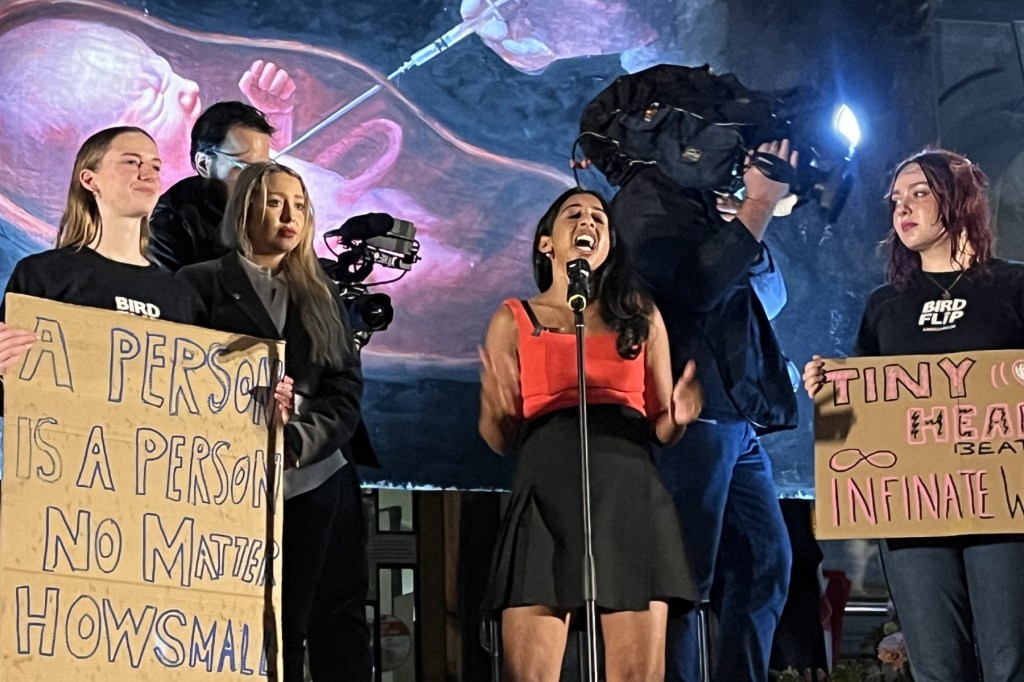
The debate also showed how quickly a health law issue can become a test of parliamentary numbers. The bill had failed in earlier attempts, then advanced after newly elected One Nation MPs backed it in the upper house. That created a fast-moving night in which supporters believed momentum had shifted, only for the lower house to reject the proposal by a wide margin.
There is also a human dimension beyond the tally. Jackson told InDaily that after her story resurfaced, she locked down her social media, removed images of her son from the internet and filed reports with SA Police and the eSafety Commissioner over hateful messages. Her case put a face to the access delays and medical distress discussed in parliament.
Looking Ahead
No change to South Australia’s abortion law has been confirmed from this bill. The proposal passed one chamber but failed in the one that mattered next, ending its path through parliament.
The political issue, however, is not finished. InDaily reported that this was the third attempt in less than two years to change the state’s abortion laws, and Game’s proposal reached further than the previous attempts. That gives both sides a clear read: the upper house result showed organised support for restriction, while the lower house vote showed the current law still has strong parliamentary protection.
People Also Ask
Did South Australia change its abortion laws today?
No. The lower house voted down the late-term abortion bill 36 to 9 shortly after 9:30pm ACST, so the existing law remains in place.
What would Sarah Game’s abortion bill have done?
The bill would have effectively banned abortions from 25 weeks onwards except where necessary to save the life of the mother or in cases of serious fetal abnormalities. It also sought to remove the current mental health risk exemption for access after 23 weeks.
How many MPs voted for the late-term abortion bill?
In the upper house, the bill passed 10 votes to 9. In the lower house, only 9 MPs supported it, while 36 voted against it.
What is the current abortion law in South Australia after 23 weeks?
South Australian law permits abortion after 23 weeks with the approval of two doctors if continuing the pregnancy would involve significant risk of injury to the physical or mental health of the pregnant person.
Who supported and opposed the bill?
Labor and Liberal MPs had a conscience vote. The Greens voted against the bill, One Nation supported it, and both Premier Peter Malinauskas and opposition leader Ashton Hurn voted in favour without speaking.