
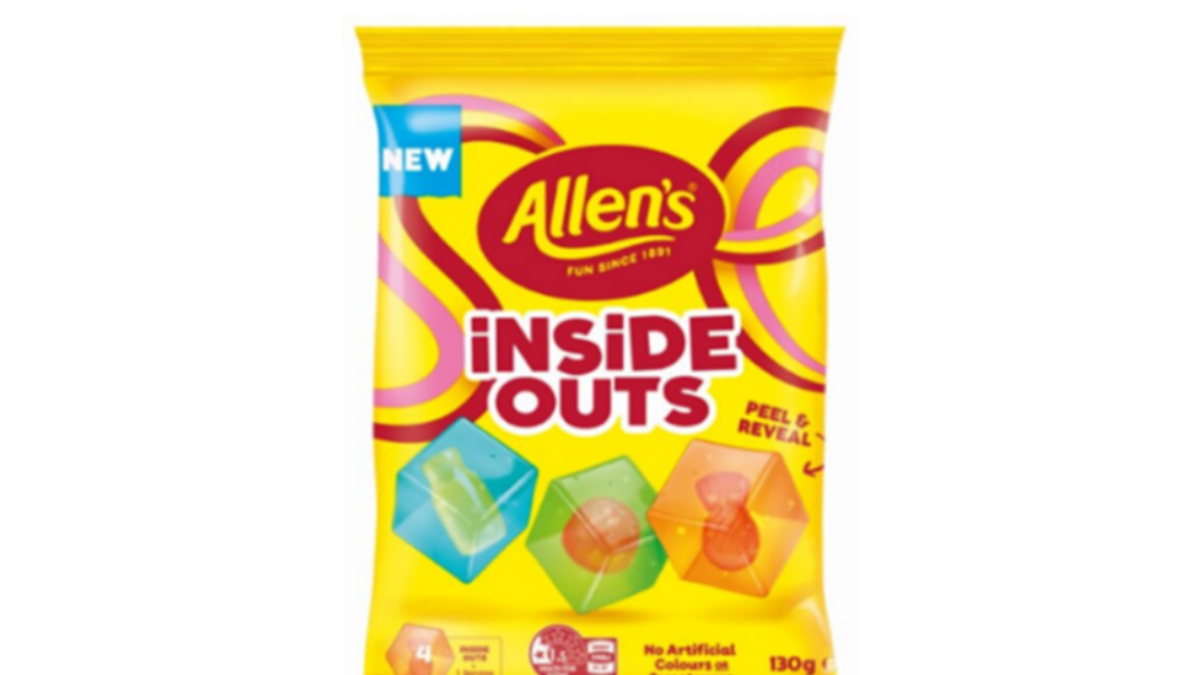
What started as a routine snack purchase has turned into a nationwide product recall, with shoppers being urged to check their lolly cupboards. Brightly coloured packets of Allen’s iNSiDE OUTS, a popular confectionery line stocked across major retailers, are being pulled from sale after concerns that some packs may contain small pieces of plastic.
The recall affects products sold across Australia through supermarkets and other retailers. Food safety authorities and the manufacturer have advised consumers not to eat affected products and to return them for a refund.
How Events Unfolded
The recall was triggered after reports that some packets may contain foreign material in the form of plastic fragments. While only certain products are affected, the issue was considered serious enough to launch a nationwide recall.
Retailers including Coles, Woolworths and IGA have been involved in removing impacted stock from shelves. Customers who purchased the product are being advised to stop consuming it immediately.
Food recalls involving physical contaminants are treated differently from labelling errors because they can pose a direct injury risk. Even small plastic fragments can create choking hazards or cause injury if swallowed.
If you're following food safety alerts closely, you'll know Australia sees a range of recalls every year, but confectionery recalls tend to attract attention because the products are commonly purchased for children and shared at family gatherings.
The Fine Print
The affected product is Allen’s iNSiDE OUTS, a lolly range known for combining a soft outer layer with a contrasting filling. The recall centres on the possibility that some packets may contain pieces of plastic introduced during production or packaging.

Manufacturers generally issue recalls as a precaution when there is any possibility of contamination. While investigations continue, the decision to remove products quickly is designed to reduce risk before further incidents occur.
For Australian households, particularly those with young children, the message is straightforward: check product details carefully and follow recall instructions. Better safe than sorry is a phrase that fits this situation perfectly.
Consumers can access official recall information through food safety authorities and retailer channels. Food Standards Australia New Zealand regularly publishes recall notices and guidance.
The Response
Retailers have moved quickly to remove stock from stores and online listings. Customers have been offered refunds in line with standard recall procedures.
Consumers should not eat the affected product and should return it to the place of purchase for a full refund.
Food safety experts often point out that recalls are not necessarily evidence of widespread harm. In many cases, they reflect systems working as intended by identifying potential risks and acting before larger problems emerge.
Meanwhile, shoppers have taken to social media to share recall notices and alert friends and family. In an era where news travels fast, information can spread across the country in a matter of hours.
Putting It in Perspective
Food recalls can affect consumer confidence, especially when trusted household brands are involved. Allen’s has long been one of Australia's most recognisable confectionery names, meaning any recall attracts considerable public attention.
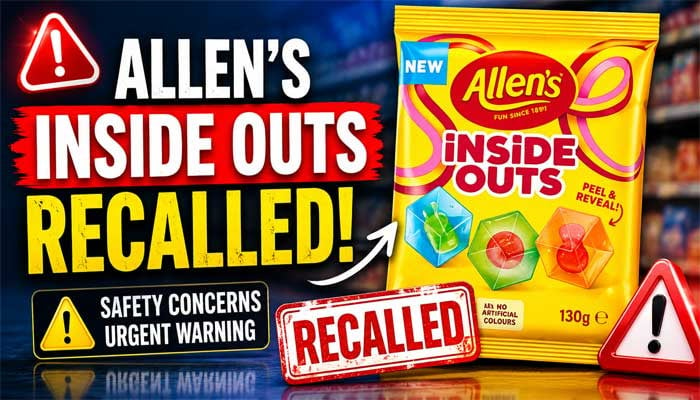
What's interesting is that modern recall systems are far more responsive than they were a decade ago. Digital tracking, retailer databases and online notifications allow authorities to reach consumers faster than ever.
For Australians, the practical impact is limited to checking cupboards, avoiding consumption of affected products and seeking a refund if necessary. Still, the incident highlights how quality-control issues can ripple through supply chains very quickly.
A stitch in time saves nine. Early recalls often prevent more serious outcomes later.
Looking Ahead
Authorities and the manufacturer are expected to continue reviewing how the contamination occurred and whether any additional products are affected. Consumers should monitor official recall updates for the latest information.
At this stage, the key advice remains unchanged: do not consume recalled products, verify packaging details and return affected items to the retailer. Further updates may follow as investigations progress.
Frequently Asked Questions
Why were Allen’s iNSiDE OUTS lollies recalled?
The recall was issued due to concerns that some packets may contain small pieces of plastic. Physical contaminants can create choking or injury risks if consumed.
Which stores sold the recalled product?
The product was distributed nationally and sold through major retailers including Coles, Woolworths and IGA, along with other outlets.
What should I do if I bought the recalled lollies?
Consumers are advised not to eat the product. The recommended action is to return it to the place of purchase for a refund.
Has anyone been injured?
Recall notices focus on preventing harm and reducing risk. Consumers should refer to official updates for any confirmed health-related developments.
How can I check future food recalls in Australia?
Food Standards Australia New Zealand maintains recall notices and safety alerts. Retailers also publish recall information on their websites and customer service channels.