
Last updated: 30 June 2026
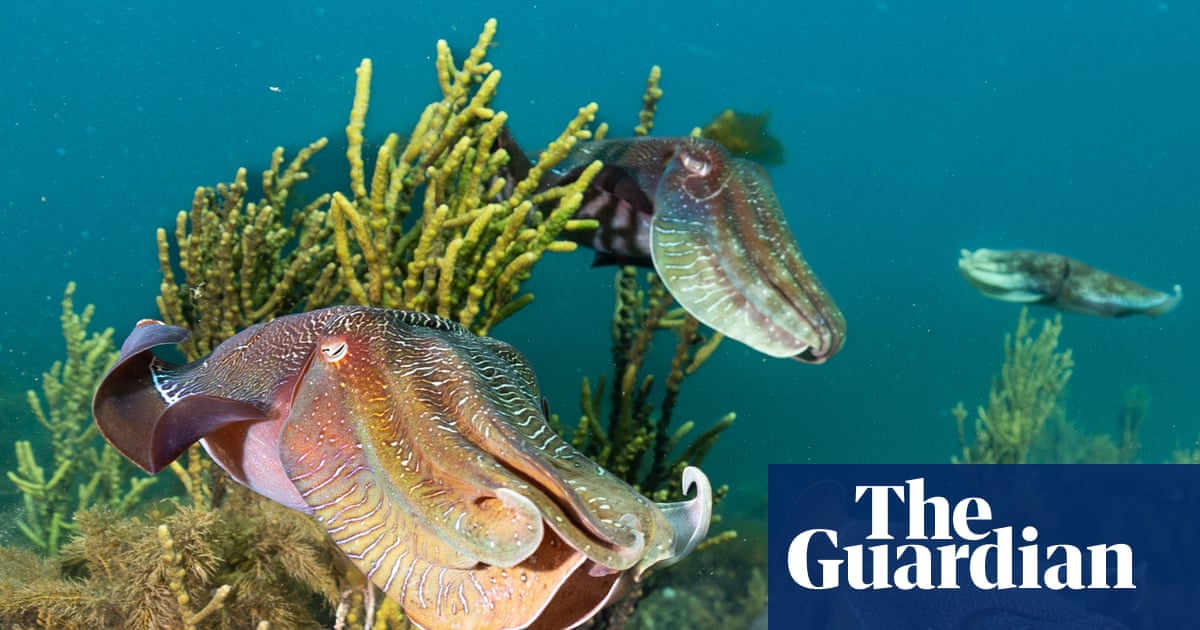
Swimming, snorkelling, diving and vessel anchoring will be banned from a key Whyalla cuttlefish breeding zone for 90 days after the animals arrived in numbers described as “significantly low”. The restriction starts on 1 July in South Australia’s Upper Spencer Gulf Marine Park, between Black Point and Stony Point. The move is designed to protect the few giant Australian cuttlefish now breeding, along with their eggs and hatchlings.
What We Know So Far
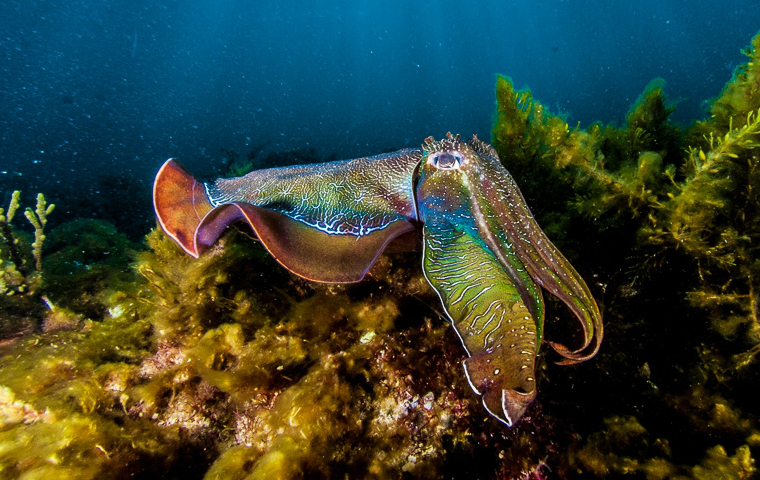
The South Australian government has introduced a temporary exclusion zone covering the cuttlefish sanctuary area in the Upper Spencer Gulf Marine Park. The restriction applies to in-water recreational activities including swimming, snorkelling and diving, and also bans vessel anchoring in the zone. Tour operators will be kept out of the area, although Environment Minister Emily Bourke said tours could still operate at Point Lowly.
The reason for the intervention is the dramatic drop in giant Australian cuttlefish arrivals during the breeding season. At this time of year, the waters off Whyalla are usually filled with tens of thousands of cuttlefish. The Guardian reported that mid-June is normally the peak, with the animals gathering in their thousands and sometimes hundreds of thousands. This year, local divers and operators have reported only dozens.
Scientists and operators are examining whether South Australia’s harmful algal bloom is linked to the collapse in sightings. Associate Professor Zoe Doubleday, a marine ecologist at Adelaide University, said the low turnout was “something we haven’t seen before”. The bloom involves toxic Karenia cristata algae and has been described in the supplied reports as the largest and most destructive algal bloom in Australian history.
The latest testing cited by The Guardian found elevated Karenia levels at 8 of 32 testing sites on the southern Eyre Peninsula and in southern Spencer Gulf. The highest concentration was 432,899 cells per litre at Proper Bay, well above the government’s “elevated” threshold of 10,000 per litre. That matters because cuttlefish, squid and octopuses are cephalopods, a group researchers say can be highly vulnerable to the bloom’s effects.
Annual numbers do naturally rise and fall. SARDI surveys began in 1998, and the official range has run from 13,500 in 2013 to 247,000 in 2020. Last year, about 64,000 cuttlefish were recorded in the region. The comparison shows why this season’s reports have triggered such concern: the issue is not just a normal low year, but a possible interruption to one of Australia’s rarest marine breeding events.
Voices & Opinions
Bourke said the restriction was focused on the breeding area where eggs are laid, rather than shutting down all Whyalla marine tourism.
This is the area where we predominantly see the eggs being laid, where we see breeding happening between our cuttlefish, and that's why it's important we minimise the impact on our cuttlefish in this area,
Whyalla tourism operator Matt Waller, who has stopped his tour season, said the few animals that have arrived should be left undisturbed.
It's difficult, not everyone agrees on the whole process, but everyone does unanimously agree these cuttlefish need to be protected.
Professor Mike Steer, executive director of the South Australian Research and Development Institute, said the bloom may be one factor, but not the only possible driver.
So there may be a link there,
Steer also pointed to temperature and food availability as environmental forces that can shape cuttlefish, calamari and octopus populations. That explanation matters because the ban is being used as a precaution: if the population is already weakened, reducing human disturbance could give eggs and hatchlings a better chance.
Local Impact
For Whyalla, this is both an environmental concern and a tourism blow. The annual cuttlefish season draws visitors to the Upper Spencer Gulf, and last year nearly $10 million was spent locally during Cuttlefest, according to The Guardian’s report. With the main attraction barely visible this season, operators have cancelled tours, turned away bookings and warned visitors not to enter the breeding area.
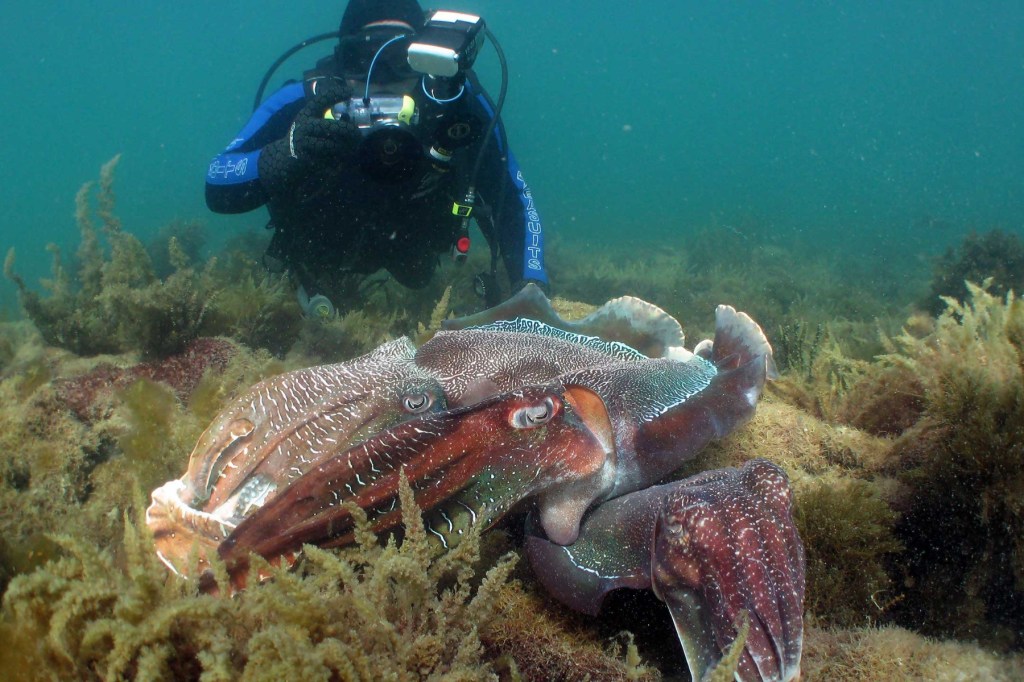
Manny Katz from the Whyalla Dive Shop told The Guardian his business had turned away $50,000 worth of bookings for the June long weekend. In a separate ABC report, Katz said his business was projected to lose $400,000 because of the cancellation. Waller’s cancelled tour season has also affected casual staff, showing how quickly an ecological shock can move through a regional economy.
For Australians outside South Australia, the immediate action is simple: do not swim, snorkel, dive or anchor in the restricted sanctuary area from 1 July. Bourke said breaches could lead to warnings or fines of up to $100,000. Separately, laws passed last November prohibit taking giant Australian cuttlefish in the northern Spencer Gulf, with fines of up to $20,000.
Coming Up
Surveys will continue through the rest of the breeding season. The Department for Environment and Water says the temporary restriction can be revoked at any time by the Minister for Climate, Environment and Water if cuttlefish numbers significantly increase.
The breeding period runs between May and August, before eggs hatch from September through to late October. Steer said the season could extend to mid-August, leaving a narrow window for numbers to improve. Impacted cuttlefish tour operators will also be able to apply for Algal Bloom Small Business Support Grants.
At a Glance
- A 90-day exclusion zone starts on 1 July between Black Point and Stony Point.
- Swimming, snorkelling, diving and vessel anchoring are temporarily banned in the restricted area.
- Latest surveys show a significant reduction in giant Australian cuttlefish numbers this breeding season.
- Possible drivers include the harmful algal bloom, water temperature and food availability.
- Breaches of the exclusion zone can attract penalties of up to $100,000.
- Surveys will continue, and the restriction can be lifted if numbers significantly increase.
FAQ
Where is the Whyalla cuttlefish exclusion zone?
It applies to part of the Upper Spencer Gulf Marine Park, including the sanctuary zone between Black Point and Stony Point near Whyalla.
When does the Whyalla cuttlefish ban start?
The temporary restriction begins on 1 July 2026 and is planned for 90 days, unless lifted earlier by the minister.
What activities are banned in the zone?
Swimming, snorkelling, diving and vessel anchoring are restricted to minimise disturbance to breeding cuttlefish, their eggs and hatchlings.
Why are cuttlefish numbers so low this year?
Researchers have not named a single confirmed cause. The harmful algal bloom is being investigated, alongside water temperature and food availability.
Can people still visit Whyalla?
Yes. The restriction applies to the sanctuary area, not the whole city. Officials and local leaders have encouraged visitors to consider other Whyalla activities.
How rare is the giant Australian cuttlefish breeding event?
South Australian waters are the only place in the world where giant Australian cuttlefish congregate annually in this way to breed.