
Last updated: 12 July 2026, 6:32pm
The United States struck 140 Iranian military targets on Sunday after Iran attacked the Cyprus-flagged container ship GFS Galaxy in the Strait of Hormuz, triggering retaliatory Iranian attacks across Gulf states. Washington says shipping continues at reduced levels, while Tehran insists the strategic waterway is closed until US interference ends.
The renewed fighting has pushed a fragile 60-day agreement towards collapse, endangered commercial crews and raised fresh concerns about energy prices and inflation for countries including Australia.
The Full Story
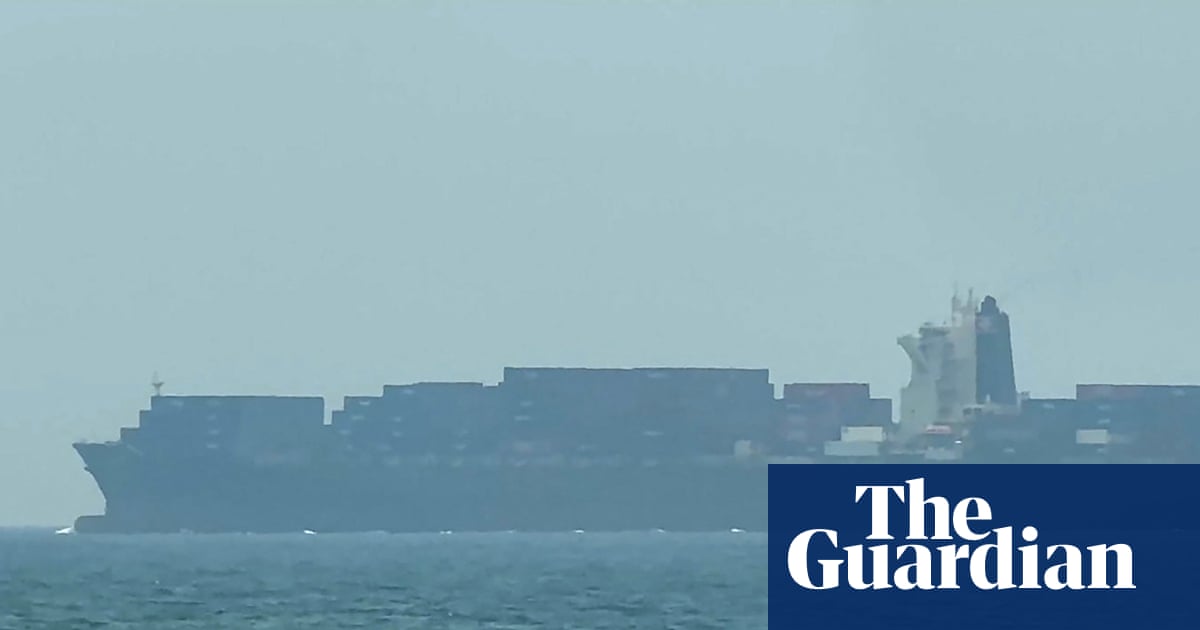
The latest escalation began after Iran struck the GFS Galaxy as it travelled along a southern route near Oman. The vessel suffered significant engine-room damage and caught fire, forcing its crew into lifeboats. Oman’s maritime authority rescued 23 crew members, while one Indian national remained missing.
Iran’s Revolutionary Guard said ships had ignored its warnings and instructions to use what Tehran described as an approved route. It declared the strait closed until further notice and warned that more US-linked bases could be targeted if American attacks continued.
US Central Command responded with its third round of strikes in a week, targeting missile and drone sites, naval facilities, ammunition stockpiles, communications networks and coastal surveillance positions. President Donald Trump rejected Iran’s closure claim and said US forces were keeping the waterway open by force. CENTCOM said traffic was still flowing, although a US Navy-led maritime centre reported reduced transit levels.
Iran then launched missiles and drones towards US-linked facilities in Qatar, Bahrain, Kuwait, Jordan and Oman. Qatar reported three people, including a child, wounded by falling shrapnel after an interception. Kuwait said border posts and an offshore drilling platform were damaged, while Oman summoned Iran’s ambassador to protest attacks on its territory.
Key Figures
Donald Trump, the US president, directed the American strikes and said negotiations could continue even though he regarded the ceasefire as over. Pete Hegseth, the US defence secretary, said Iran would pay for attacking commercial shipping.
Mohammad Bagher Ghalibaf, Iran’s parliamentary speaker and a leading negotiator, rejected what he called one-sided agreements. Foreign Minister Abbas Araghchi met his Omani counterpart to discuss mechanisms for the safe passage of ships, while Oman continued mediation at technical and political levels.
Iran’s new supreme leader, Mojtaba Khamenei, separately vowed revenge for the killing of his father, Ayatollah Ali Khamenei, during the war’s opening strikes.
Facts & Figures
- The US said it struck 140 military targets in Iran.
- More than 140 ships crossed the strait during the previous week, according to the US military.
- Before the war, nearly 140 vessels a day used the waterway.
- About one-fifth of traded oil and natural gas passed through the strait before the conflict.
- Brent crude was around US$75 a barrel before the weekend, below wartime highs above US$120.
What This Means
The immediate danger is to sailors and commercial vessels operating through a waterway where both sides claim authority over safe passage. Even when ships continue moving, reduced traffic, higher insurance costs and rerouting risks can disrupt energy supply chains.

For Australians, the clearest risk is economic rather than military. Prolonged disruption could lift global oil and gas costs, which can flow through to fuel, freight and consumer prices. Current oil prices suggest traders still expect both governments to avoid a return to full-scale war, but attacks on ships and regional bases make that assumption increasingly fragile.
The confrontation also complicates diplomacy. A memorandum signed on 17 June was intended to extend a ceasefire for 60 days, restore trade through the strait and create room for negotiations over Iran’s nuclear program and sanctions. Instead, repeated attacks have turned control of the shipping lanes into the central dispute.
What to Expect
Oman and Iran have confirmed that discussions will continue at technical and political levels. The United States says it wants Iran to stop attacking ships and open every shipping lane without tolls, while Tehran continues to demand recognition of its authority over parts of the strait.
Commercial operators will also watch whether traffic volumes recover, whether the missing crew member is found and whether Iran follows through on its warning to strike additional US-linked bases. No confirmed date has been announced for direct US-Iran negotiations.
Frequently Asked Questions
Is the Strait of Hormuz closed?
Iran says it is closed, but the US military says vessels are still crossing. Maritime authorities report traffic at reduced levels.
Why did the US strike Iran?
The US said it acted after Iran attacked the GFS Galaxy and threatened commercial ships using the strait.
How many Iranian targets were hit?
US Central Command said American forces struck 140 military targets, including missile, drone, naval and surveillance sites.
What happened to the GFS Galaxy crew?
Twenty-three crew members were rescued after abandoning the damaged ship. One Indian national was still missing.
Which countries were targeted by Iran?
Reports identified attacks or attempted attacks involving Qatar, Bahrain, Kuwait, Jordan and Oman, with alerts also sounding in the UAE.
Could this affect Australia?
Extended disruption may increase global energy, freight and insurance costs, potentially adding pressure to Australian fuel and consumer prices.