
Prime Minister Anthony Albanese will address the nation tonight to outline the Federal Government’s urgent response to the escalating Middle East conflict and the subsequent fuel crisis hitting Australian shores. The prime-time broadcast marks a significant escalation in the government's communication strategy as domestic fuel supplies come under unprecedented pressure.
The Full Story
For the first time in six years, the heavy curtains of a formal national address are being drawn back. The Prime Minister is expected to take to the airwaves at 7:00 pm AEDT to speak directly to households about a situation that has moved rapidly from a geopolitical concern to a daily reality at the local servo. The catalyst is the widening war in the Middle East, which has throttled global oil supply chains and left Australia vulnerable.
What's interesting is that while the government has been briefing the public through standard press conferences, the decision to use a formal address suggests the level of effort required by the public is about to increase. Insiders suggest there will be no shock announcements regarding immediate lockdowns or drastic measures, but rather a sobering call for Australians to "play their part" in the coming months as the global energy landscape shifts.
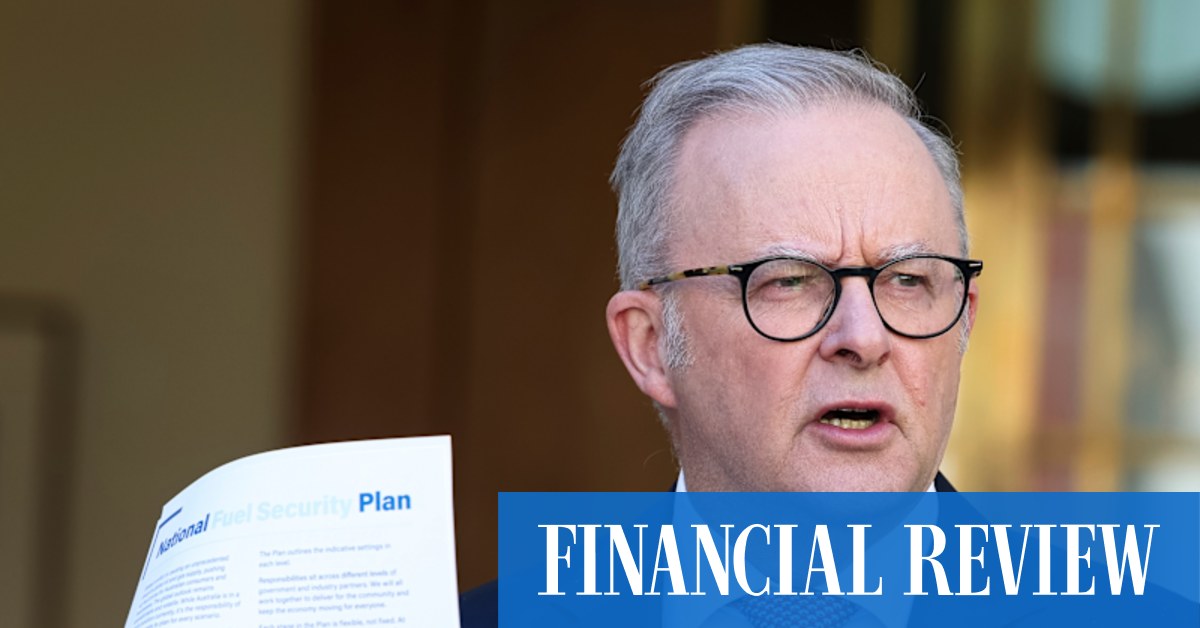
The timeline of this crisis has moved at breakneck speed. Following the escalation of hostilities involving Iran, fuel excise cuts have already been initiated to provide some temporary relief at the pump. However, the long-term outlook remains tight. Reports indicate that fuel restrictions are tipped to begin shortly after the Easter long weekend to preserve national reserves.
Central Figures
The key players in tonight's announcement and the ongoing crisis management include:
- Anthony Albanese: The Prime Minister, balancing economic necessity with the political challenge of public frustration.
- Jim Chalmers: The Treasurer, managing the fiscal fallout of the fuel excise cut and broader inflationary pressures.
- Donald Trump: The US President, whose recent comments regarding the Hormuz Strait have added a layer of international volatility.
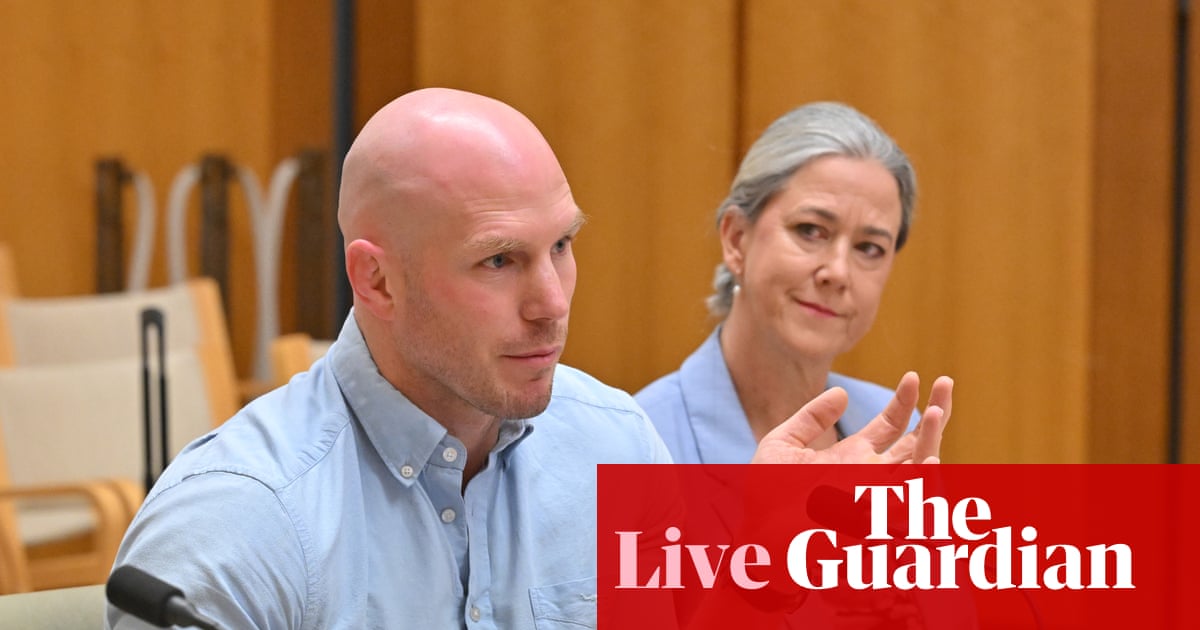
- David Pocock: Independent Senator, who has been vocal in criticizing the speed of government reform plans during this period.
What This Means
If you're following this, you're likely wondering how it hits your hip pocket. The reason behind this address is clear: Australia’s fuel security is no longer a theoretical debate for Canberra. By speaking tonight, Albanese is attempting to get ahead of potential queues and panic-buying that often follow news of supply shortages. It’s about managing expectations before the Easter holiday rush, traditionally the busiest time on our roads.
Australians will be asked to play their part in the response to the Middle East war as we navigate these supply challenges together.
For those of us here in Australia, this could mean more than just higher prices. If the tipped restrictions come into play, we may see limits on how many litres can be purchased per visit. The government is essentially asking for a bit of fair go spirit while they attempt to stabilise the economy against global forces beyond their control.
- Fuel Excise
- A flat tax levied by the government on petrol and diesel. Reducing this helps lower the price at the pump for consumers.
- Hormuz Strait
- A critical global maritime chokepoint through which a significant portion of the world's oil passes.
What to Expect
The immediate next step is the 7:00 pm AEDT broadcast. Following the address, Federal Cabinet is expected to meet to finalise the framework for post-Easter fuel conservation. Expect a detailed breakdown of the fuel excise cut duration and specific guidelines on "responsible usage" for the holiday period within the next 48 hours.
FAQ
What time is the PM's address tonight?
The national address is scheduled for 7:00 pm AEDT on Wednesday, April 1, 2026.
Will there be immediate fuel rationing?
No sudden announcements are expected tonight, but restrictions are widely tipped to be introduced after the Easter break.
Why is this being called a national address?
This format is reserved for matters of significant national importance, intended to reach as many Australians as possible simultaneously.
How does the Middle East war affect Australian fuel?
The conflict threatens supply routes like the Hormuz Strait, causing global oil prices to spike and creating supply bottlenecks for imported fuel.
Is the fuel excise being cut?
Yes, a cut to the fuel excise has already begun to help mitigate the rising costs for Australian motorists.