
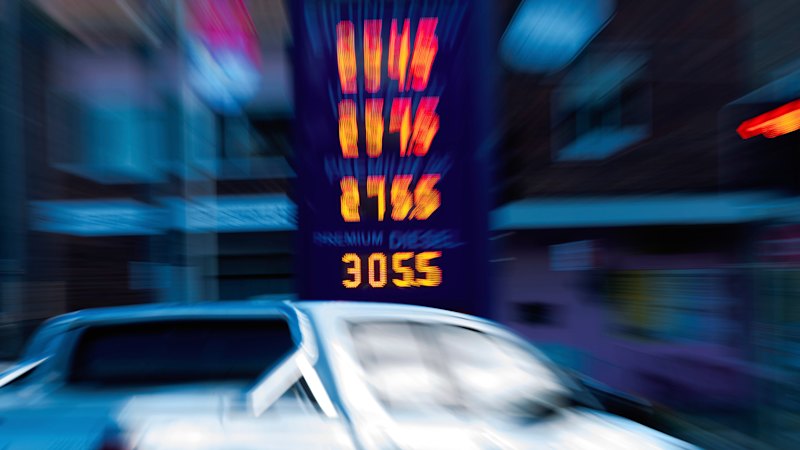
Australia is facing a severe fuel crisis as diesel and petrol supplies dwindle and prices reach record-breaking levels across the country in March 2026. Hundreds of service stations in New South Wales, Queensland, Victoria, and South Australia have officially run out of fuel, prompting emergency government intervention. The Albanese government has appointed a dedicated fuel coordinator to manage the worsening situation as supply chains approach a critical deadline.
TL;DR
- National fuel supply is projected to hit a critical cliff at the end of April 2026.
- Government has lowered diesel standards to bypass technical bottlenecks and increase immediate volume.
- Essential services, including waste collection and cattle farming, are facing operational shutdowns.
- The ACCC has launched an investigation into the conduct of major fuel suppliers in regional areas.
What Happened
The Australian fuel market entered a state of emergency this week as the national supply chain began to buckle under global and domestic pressures. On March 24, 2026, the federal government officially lowered diesel quality standards, a move designed to allow more fuel varieties to enter the local market despite environmental trade-offs. This decision follows reports that hundreds of service stations across the eastern seaboard and South Australia have completely exhausted their stock of both petrol and diesel.
Federal Energy Minister Chris Bowen has faced criticism over contradictory messaging regarding the depth of the reserves. While the government previously maintained that reserves were sufficient, the appointment of a National Fuel Coordinator suggests a shift toward emergency management. In regional Australia, the impact is most severe, with the Central Land Council reporting that remote communities are struggling with skyrocketing living costs as transport companies pass on fuel surcharges.
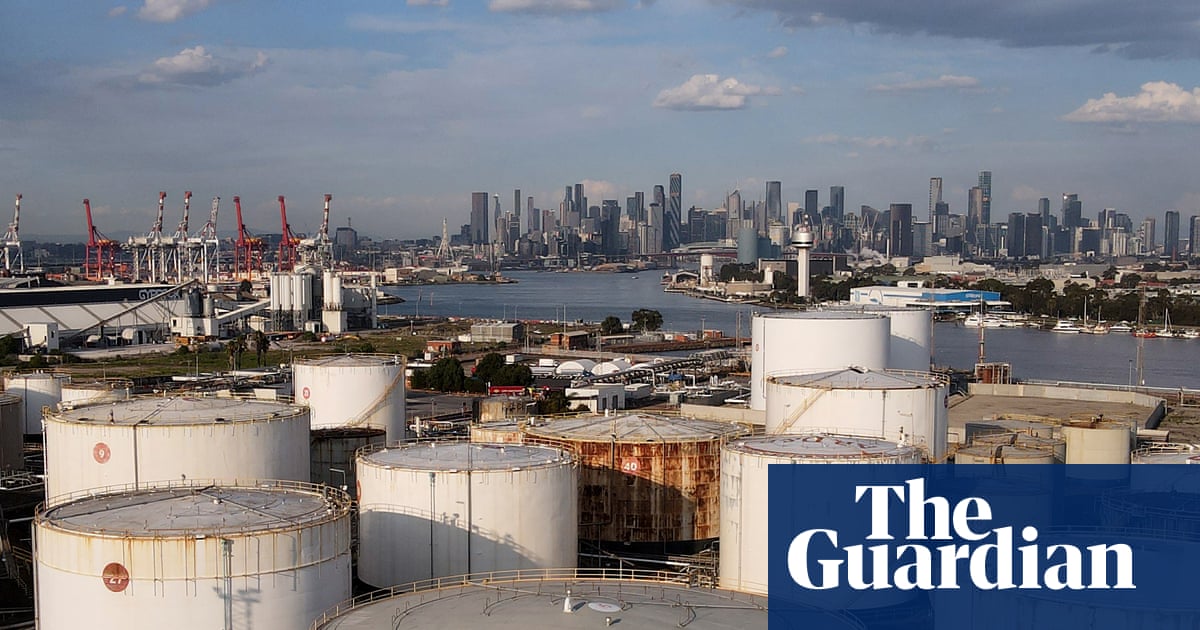
The fuel supply heads for a cliff at the end of April, and we must act now to ensure essential services do not grind to a halt.
Key Developments
The crisis has moved beyond the bowser and into the broader economy. Waste collectors have warned that the chickens are coming home to roost, as rubbish pile-ups in major cities are now only weeks away due to diesel shortages for collection trucks. In the agricultural sector, farmers have begun selling off cattle prematurely because they cannot secure the fuel necessary to transport feed or move livestock to better pastures.
State Premiers have called for "COVID-style" national protocols to prevent a patchwork of different rules across state lines. There is significant concern that piecemeal fuel rationing would trigger the same level of confusion and panic-buying seen during the 2020 pandemic. Meanwhile, the ACCC is currently investigating whether major suppliers have engaged in anti-competitive behavior or price gouging in regional hubs where prices have spiked well above the national average.
Why This Matters
The current shortage threatens the literal movement of the Australian economy. If the fuel supply is not stabilized by May 2026, the logistics industry warns of a total collapse in the delivery of perishable goods and medical supplies. For average citizens, petrol prices hitting record highs means a direct reduction in household disposable income, further fueling inflationary pressures. The lowering of fuel standards also carries long-term environmental implications, though the government views this as a necessary temporary measure to keep the country moving.
What Happens Next
The newly appointed Fuel Coordinator will deliver a formal briefing to the National Cabinet on April 2, 2026, to outline potential rationing strategies. Industry experts are monitoring international shipments, with several tankers expected to arrive in mid-April, though these may only provide temporary relief. Residents are encouraged to monitor the ACCC fuel monitoring portal for real-time price updates and reporting on unfair pricing practices.
Key Terms & Concepts
- Fuel Rationing
- A government-imposed limit on the amount of fuel individuals or businesses can purchase to ensure equitable distribution during a shortage.
- Diesel Standards
- Environmental and technical regulations that define the chemical composition of diesel fuel permitted for sale in Australia.
- Bowser
- The common Australian term for a fuel pump at a service station.
Frequently Asked Questions
Is there a fuel shortage in Australia right now?
Yes, as of March 2026, hundreds of service stations in NSW, Victoria, Queensland, and South Australia have run out of fuel. The federal government has appointed a coordinator to manage the supply cliff expected at the end of April.
Why are petrol prices so high in March 2026?
Prices have hit record highs due to severe supply chain disruptions and a national shortage. The ACCC is currently investigating major suppliers to ensure prices in regional areas remain fair despite the scarcity.
Will fuel be rationed?
While formal rationing has not yet been implemented nationwide, state leaders are discussing "COVID-style" protocols. A decision on national rationing is expected following the National Cabinet meeting on April 2, 2026.
What is the government doing about the diesel shortage?
The federal government has officially lowered diesel quality standards to allow a wider variety of fuel imports. This is intended to increase the immediate volume of fuel available for transport and essential services.
Are essential services like rubbish collection affected?
Yes, waste collectors have warned that rubbish pile-ups may begin within weeks if diesel supplies are not prioritized for essential service fleets.