
Last updated: April 1, 2026, 9:03 AM AEST
5 Ways the Regional Fuel Crisis is Reshaping Australia’s Pacific Strategy
The intensifying conflict in the Middle East has sent shockwaves across the Pacific, leaving our nearest neighbours on the brink of total energy collapse. With diesel supplies dwindling and costs skyrocketing, the Australian government is now moving to intervene before island economies—which literally run on diesel—ground to a halt. For Australians, this isn't just about regional charity; it’s a vital move to maintain stability in our own backyard and protect regional food security.
Setting the Scene
For decades, many Pacific nations have remained almost entirely dependent on imported diesel to power everything from hospitals and schools to the fishing boats that provide their primary source of protein. Unlike Australia, where we have a diverse energy mix and larger strategic reserves, many of these nations live hand-to-mouth when it comes to fuel shipments. Now, the war in the Middle East has constricted the global supply chain, making those shipments not just more expensive, but increasingly scarce.
The situation has reached a tipping point where the word 'rationing' is no longer a distant fear but a looming reality. We are looking at a scenario where entire nations could face rolling blackouts and a complete halt in domestic transport. The writing is on the wall: if the Pacific can't keep the lights on, the humanitarian and geopolitical fallout will land squarely on Australia's doorstep.
Here's What Happened
In Canberra, federal leaders are facing growing pressure to provide direct fuel support to the region. The Australian government is currently assessing a range of emergency measures to help Pacific nations navigate what has been described as an existential threat to their economies. This isn't just about handing over cash; it's about the logistics of securing and transporting physical fuel to remote island groups in a hyper-competitive market.
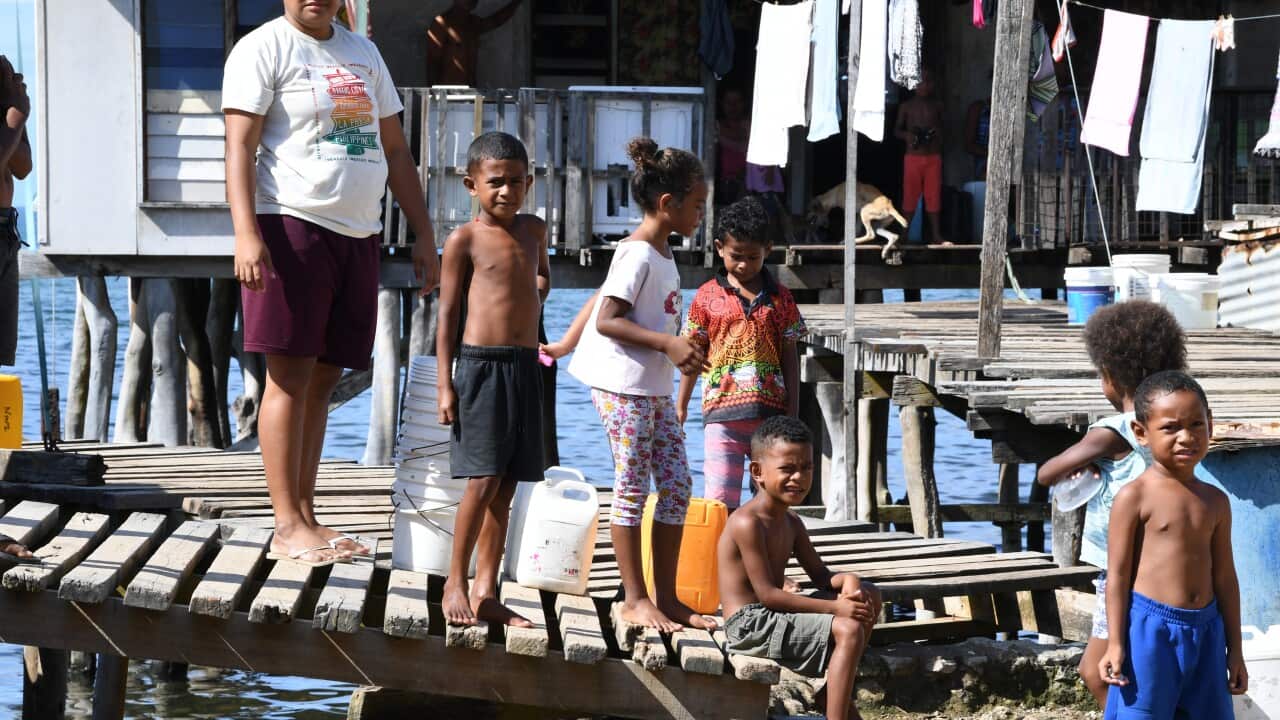
Meanwhile, in Fiji, the rhetoric has turned urgent. Finance leaders are warning that this is not a short-term blip but a sustained national crisis. There have been calls to resist the urge to remove fuel taxes, with some arguing those funds are desperately needed to provide targeted relief to the most vulnerable sectors of society. Strategic spending is now the name of the game as governments try to stretch every dollar of revenue.
What's interesting is the cause-and-effect relationship between fuel and food. In the Pacific, fuel isn't just for cars; it's for the refrigerated storage of food and the transport of essential goods between islands. When the cost of diesel doubles, the price of a local meal triples. This has triggered a secondary crisis in food security that is already affecting children across the region.
Reactions & Responses
The feedback from regional leaders has been a mix of desperate pleas for assistance and cautious fiscal management. Prof. Biman Prasad, a key figure in the Fijian government, has been vocal about the need for a clear, long-term action plan rather than knee-jerk reactions.
This national crisis caused by fuel price increases will not be short term; we need a clear action plan to protect our citizens from the compounding effects on food security and basic services.
In Australia, the sentiment among policymakers is one of "strategic necessity." If Australia doesn't step in, other global powers might, potentially shifting the geopolitical balance of the region. Fair suck of the sauce bottle—Australia has long claimed to be part of the 'Pacific family,' and this crisis is the ultimate test of that commitment.
The Bigger Picture
The implications of this crisis extend far beyond the petrol pump. We are seeing a fundamental shift in how regional security is defined. It’s no longer just about defence pacts; it’s about energy resilience. For people in Australia, this could mean increased foreign aid allocations or even the use of our own strategic domestic fuel stocks to stabilise our neighbours.
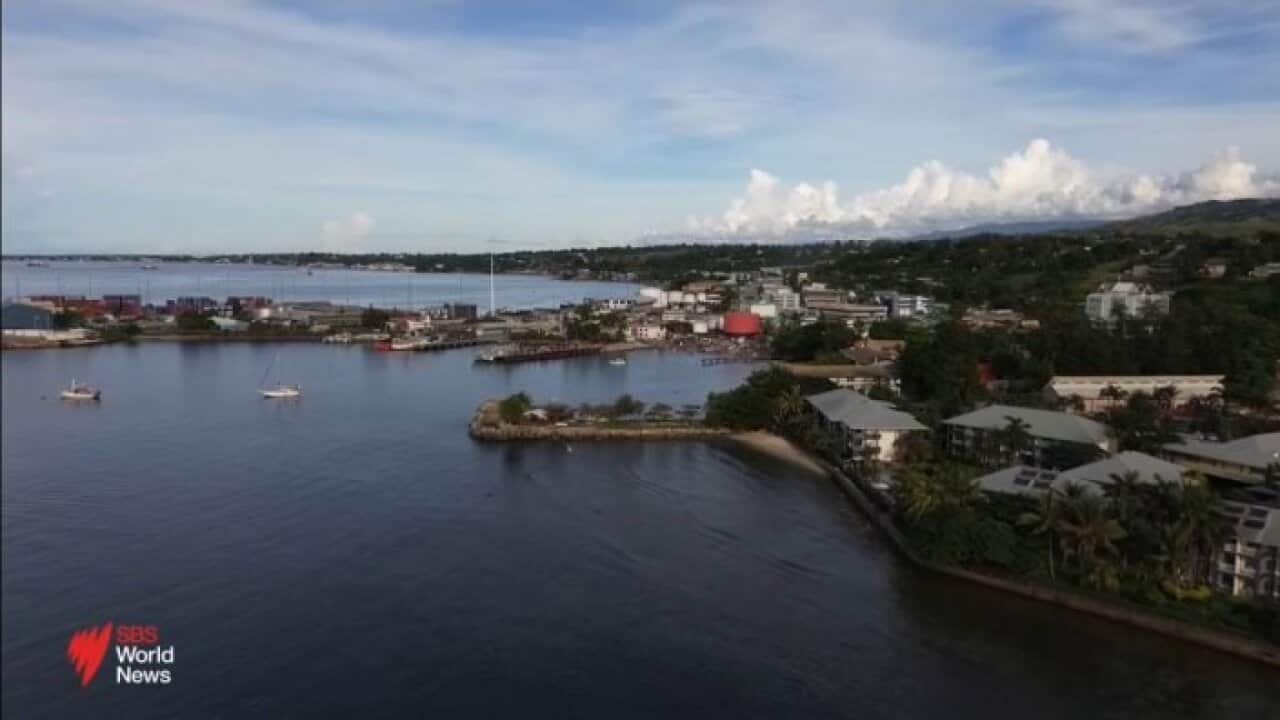
This situation serves as a stark reminder of the vulnerability of diesel-dependent economies. While Australia transitions toward renewables, much of the Pacific is stuck in a fossil-fuel trap that they cannot afford to escape without significant external help. The current price spike is effectively a tax on poverty for these nations.
The Road Ahead
Looking forward, the Australian government is expected to announce a formal support package within the coming weeks. High-level discussions between Pacific leaders and Australian officials are ongoing to determine the most effective way to ship and distribute fuel reserves. For now, the region remains on high alert, with many nations bracing for a tougher financial year ahead as global tensions show no sign of easing.
FAQ
- Why is Australia helping Pacific nations with fuel?
Australia views the Pacific as its primary strategic sphere. Fuel shortages there lead to economic instability, migration pressures, and potential security vacuums that could be filled by other global powers. - How does the Middle East war affect Pacific fuel prices?
The conflict disrupts global oil production and shipping routes, causing a spike in the price of refined products like diesel, which the Pacific relies on almost exclusively for power. - Is fuel rationing currently happening?
While full-scale national rationing hasn't been implemented in every country, many island nations are monitoring supplies daily and preparing contingency plans for essential services.