

Last updated: April 6, 2026
Bab al-Mandab crisis today: Global trade on edge as Iran threatens total closure
The 'Gate of Tears' is living up to its grim name this week as Iranian officials signaled they could shut down the Bab al-Mandab strait, a move that would effectively choke off one of the world’s most vital shipping arteries. Following a series of sharp escalations and rhetorical fire from the Trump administration, Tehran appears ready to gamble with the global economy by weaponizing the narrow passage that connects the Red Sea to the Gulf of Aden. For Australians already feeling the pinch of rising living costs, this isn't just a distant geopolitical spat—it's a direct threat to the price of everything from petrol to the tech in our pockets.

What We Know So Far
This latest friction didn't appear out of thin air. It follows a predictable, yet dangerous, pattern of tit-for-tat threats between Washington and Tehran. After renewed warnings from US President Donald Trump regarding Iranian regional influence, Iranian military leadership countered by suggesting they have the capability and the intent to restrict access to the Bab al-Mandab strait. While the Strait of Hormuz is often the focus of such threats, the Bab al-Mandab is arguably more sensitive for European and Australian trade routes that rely on the Suez Canal path.
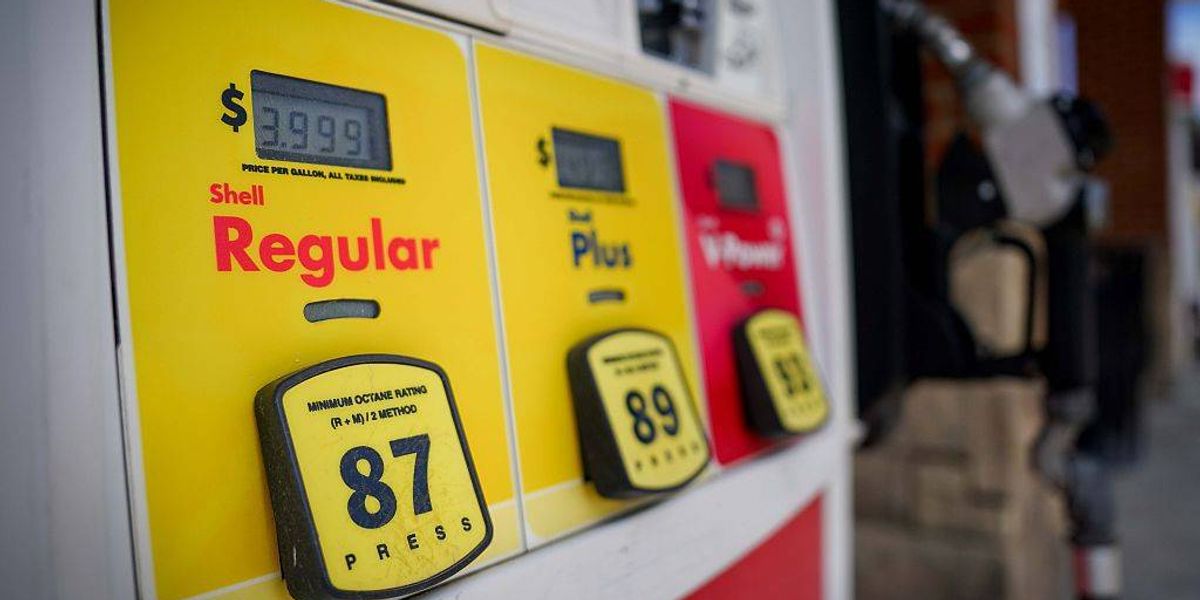
The logistics are daunting. Roughly 10% of global seaborne oil passes through this 29-kilometre-wide gap. If the strait is blocked, ships are forced to take the long way around the Cape of Good Hope, adding weeks to transit times and millions to fuel costs. We are already seeing the market's knee-jerk reaction; gas prices in some regions have surged by 35% almost overnight as traders price in the risk of a prolonged blockade.
The timing couldn't be worse for the global supply chain. Experts at Space Daily have noted a 'dual chokepoint problem,' where simultaneous instability in both the Bab al-Mandab and the Strait of Hormuz could cause a catastrophic collapse in maritime logistics. Fair suck of the sauce bottle—the global economy is still recovering from previous shocks, and this is the last thing consumers need. Historically, even the hint of a closure in these waters has led to massive spikes in insurance premiums for merchant vessels, a cost that is invariably passed down to the end-user.
The Response
International observers are scrambling to de-escalate the rhetoric, though the mood in Tehran remains defiant. The threat is being viewed not just as a military posture, but as a calculated economic strike designed to exert maximum pressure on Western allies.
Iranian officials are now threatening to close the Bab al-Mandab strait after renewed warnings from the Trump administration, a move that could paralyze global energy markets.
Meanwhile, analysts at the South China Morning Post argue that the 'Gate of Tears' could indeed make the world weep if a full-scale maritime conflict erupts. They point out that regional players, particularly those in the Horn of Africa, are watching with bated breath as their own economic stability is tied to the free flow of traffic through the Red Sea.
What It Means for You
If you're wondering how a conflict thousands of kilometers away affects your weekend barbecue in Sydney or Melbourne, look no further than the petrol pump. Australia is a price-taker on the global oil market. When supply routes in the Middle East are threatened, the ripple effect reaches our shores within days. Higher fuel costs mean higher transport costs for groceries, leading to the short end of the stick for families already struggling with inflation.
Moreover, much of Australia's imported manufactured goods travel via these routes. Delays in the Bab al-Mandab could lead to shortages of automotive parts, electronics, and clothing. It's a stark reminder of how fragile our 'just-in-time' delivery systems really are.
Coming Up
Diplomatic channels remain open, but the rhetoric shows no sign of cooling. A high-level meeting of the UN Security Council is expected later this week to discuss maritime security in the Red Sea. Shipping companies are already advising vessels to exercise extreme caution, with some major carriers considering re-routing their fleets as a preventative measure.
At a Glance
- Iran has threatened to close the Bab al-Mandab strait following tensions with the Trump administration.
- Global gas prices have already seen spikes of up to 35% in certain markets due to the uncertainty.
- The strait is a primary conduit for 10% of global seaborne oil and critical goods.
- Australian consumers face potential price hikes in fuel and imported products if the passage is restricted.
- International maritime insurance rates are expected to climb, further increasing shipping costs.
Frequently Asked Questions
Where is the Bab al-Mandab strait located?
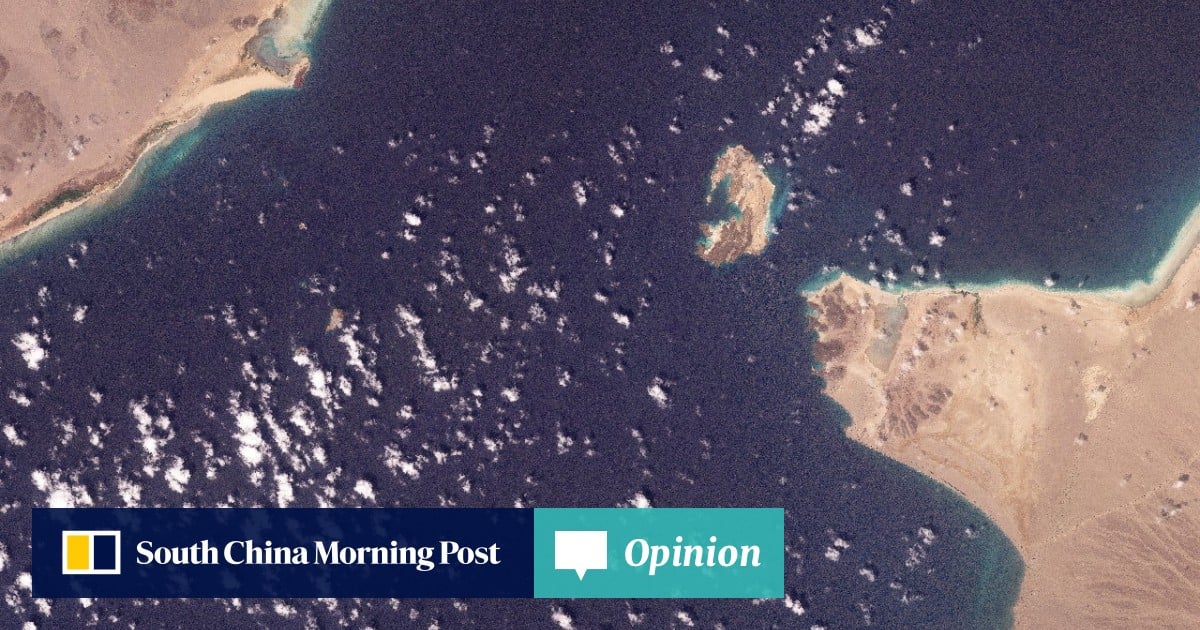
The strait is located between Yemen on the Arabian Peninsula and Djibouti and Eritrea in the Horn of Africa. It connects the Red Sea to the Gulf of Aden and is the southern gateway to the Suez Canal.
Why is this strait so important for Australia?
While Australia isn't directly on the strait, we rely on the global price of oil which is heavily influenced by this route. Furthermore, many of our imports from Europe and the Middle East must pass through this chokepoint to reach us efficiently.
Can Iran actually close the strait?
While Iran does not border the strait directly, it exerts significant influence through regional proxies and its naval presence. A physical blockade would be a major military undertaking, but even the threat of one can disrupt commercial shipping via sky-high insurance and risk assessments.
How much have fuel prices risen because of this?
Current reports indicate that speculative trading has pushed prices up by as much as 35% in some markets. The actual impact at Australian pumps usually takes a week or two to fully manifest as old stock is cycled through.
What is the 'dual chokepoint' theory?
This refers to the simultaneous disruption of the Strait of Hormuz and the Bab al-Mandab. Since these two passages control the majority of Middle Eastern energy exports, closing both would effectively paralyze the global energy supply chain.