
Iran launched a massive missile barrage against Israel and various Gulf states on Tuesday, March 24, 2026, following the killing of several high-ranking Iranian officials. The escalation saw Israel retaliate with fresh strikes on Tehran and Beirut, while global oil prices surged above $100 per barrel. In Australia, the federal government has convened an emergency fuel supply taskforce to manage potential energy security risks.

TL;DR
- Iran launched a major missile offensive targeting Israel and Gulf energy assets.
- Israel conducted retaliatory airstrikes on Tehran and Beirut, killing key Iranian security figures.
- Global oil markets reacted sharply, with crude prices exceeding $100.
- The Australian government established a fuel taskforce to protect domestic supplies.
What Happened
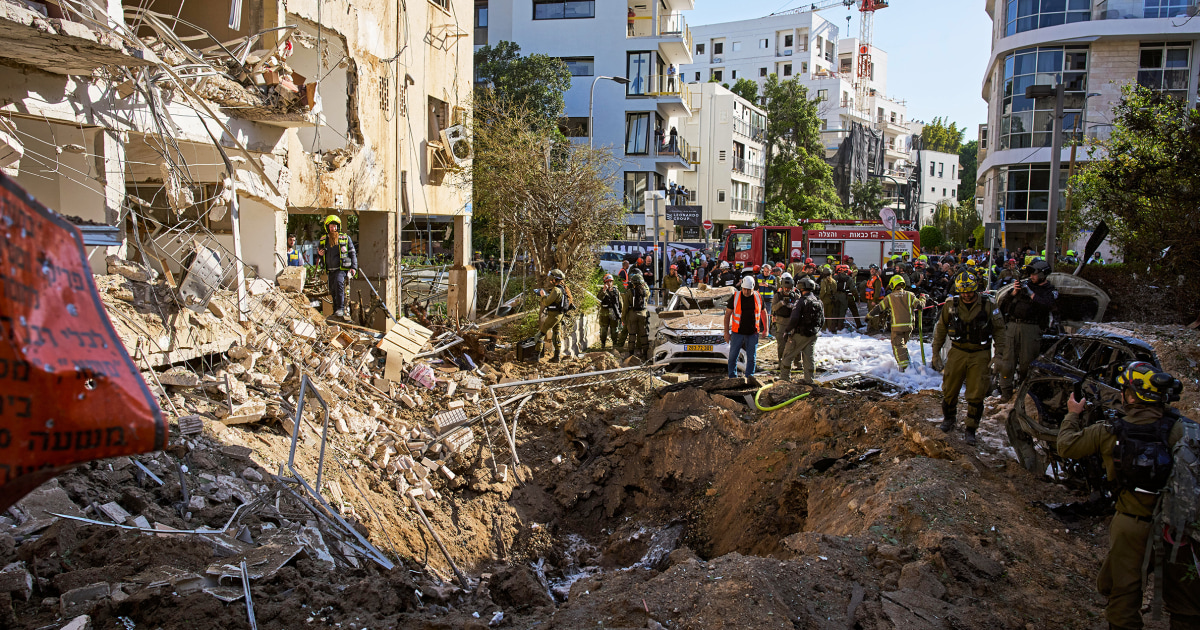
Iran intensified its military operations by raining missiles on Israel and launching attacks toward Gulf states, explicitly mocking U.S. claims regarding peace negotiations. This massive retaliation followed the killing of Iran’s Intelligence Minister and former security chief Larijani in targeted Israeli strikes. In response to the missile barrage, Israel launched fresh aerial assaults on targets in Tehran and Beirut, aiming to dismantle command structures. Tehran has since appointed a new security chief to replace the fallen leadership. Amidst the chaos, the Iranian government has played down claims from the Trump administration regarding secret peace talks, labeling them as 'the proof of the pudding is in the eating'—suggesting that actions on the ground speak louder than diplomatic rhetoric. The conflict has directly impacted energy infrastructure, specifically the South Pars gas field, leading to threats against broader Gulf energy assets.
Key Developments
The military escalation has triggered immediate economic and logistical shifts. Crude oil prices spiked past $100 as markets feared a prolonged closure of the Strait of Hormuz. In Australia, Prime Minister Anthony Albanese announced the formation of a National Fuel Supply Taskforce to monitor and secure Australia's liquid fuel reserves. Reports also indicate that the U.S. has distanced itself from specific Israeli strikes on Iranian gas fields to avoid direct involvement in the infrastructure war. Meanwhile, military analysts note that Israel's potential plan for a ground component in Lebanon could inadvertently strengthen Hezbollah's position by creating a unified resistance front. Tehran continues to issue warnings to Gulf neighbors, stating that any assistance provided to Israel or the U.S. would result in direct strikes on their energy infrastructure.
Tehran says Trump’s claims of peace talks are fake.
Why This Matters
This conflict marks a significant shift from proxy warfare to direct state-on-state confrontation, threatening the stability of global energy markets. The targeting of the South Pars gas field and threats to Gulf assets have raised the specter of a global energy crisis. For Australia, the risk to maritime trade routes and fuel imports is a primary concern, necessitating the activation of emergency supply protocols. Furthermore, the total breakdown in diplomatic communication between Tehran and Washington increases the likelihood of 'fighting fire with fire', where each side feels compelled to escalate to maintain deterrence.
What Happens Next
Israel is expected to maintain its high-tempo air campaign over Lebanon and Iran to prevent further missile launches. The Australian fuel taskforce will deliver its first assessment of domestic reserves within the next 48 hours. Market observers are closely watching the Strait of Hormuz, as any Iranian attempt to block the waterway would likely trigger a massive international naval intervention. Confirmed diplomatic meetings among Gulf Cooperation Council (GCC) members are scheduled for later this week to discuss regional security and energy protection.
Key Terms & Concepts
- South Pars Gas Field
- A massive natural gas field located in the Persian Gulf, shared between Iran and Qatar, representing a critical energy hub for the region.
- Strait of Hormuz
- A strategic waterway between the Persian Gulf and the Gulf of Oman through which a significant portion of the world's oil passes.
Frequently Asked Questions
Why is Iran attacking Israel directly now?
Iran launched these attacks as retaliation for the recent killing of its Intelligence Minister and senior security officials in Israeli strikes. The escalation represents a shift to direct military confrontation.
How has the war affected oil prices?
Global oil prices have surged past $100 per barrel due to fears of supply disruptions and threats to Gulf energy infrastructure. The markets are reacting to the risk of a regional energy war.
What is Australia doing about the fuel situation?
Prime Minister Anthony Albanese has announced a fuel supply taskforce on March 24. This group is responsible for securing Australia’s fuel stocks and managing potential shortages.
Are there peace talks happening between the US and Iran?
While the Trump administration has claimed peace talks are an option, Tehran has officially dismissed these claims as fake. Current actions on both sides indicate further escalation rather than negotiation.