
Last updated: April 23, 2026, 1:34 PM AEST
Strait of Hormuz Crisis: 2 ships seized as Iran defies blockade
The dawn over the Strait of Hormuz broke not with the usual hum of commerce, but with the menacing roar of gunboats. In a sharp escalation that has sent global markets into a tailspin, Iranian forces have forcibly seized two commercial vessels, while a third remains disabled under fire. What was a fragile ceasefire is now looking a bit shaky, as the vital maritime chokepoint reverts to a high-stakes military zone.
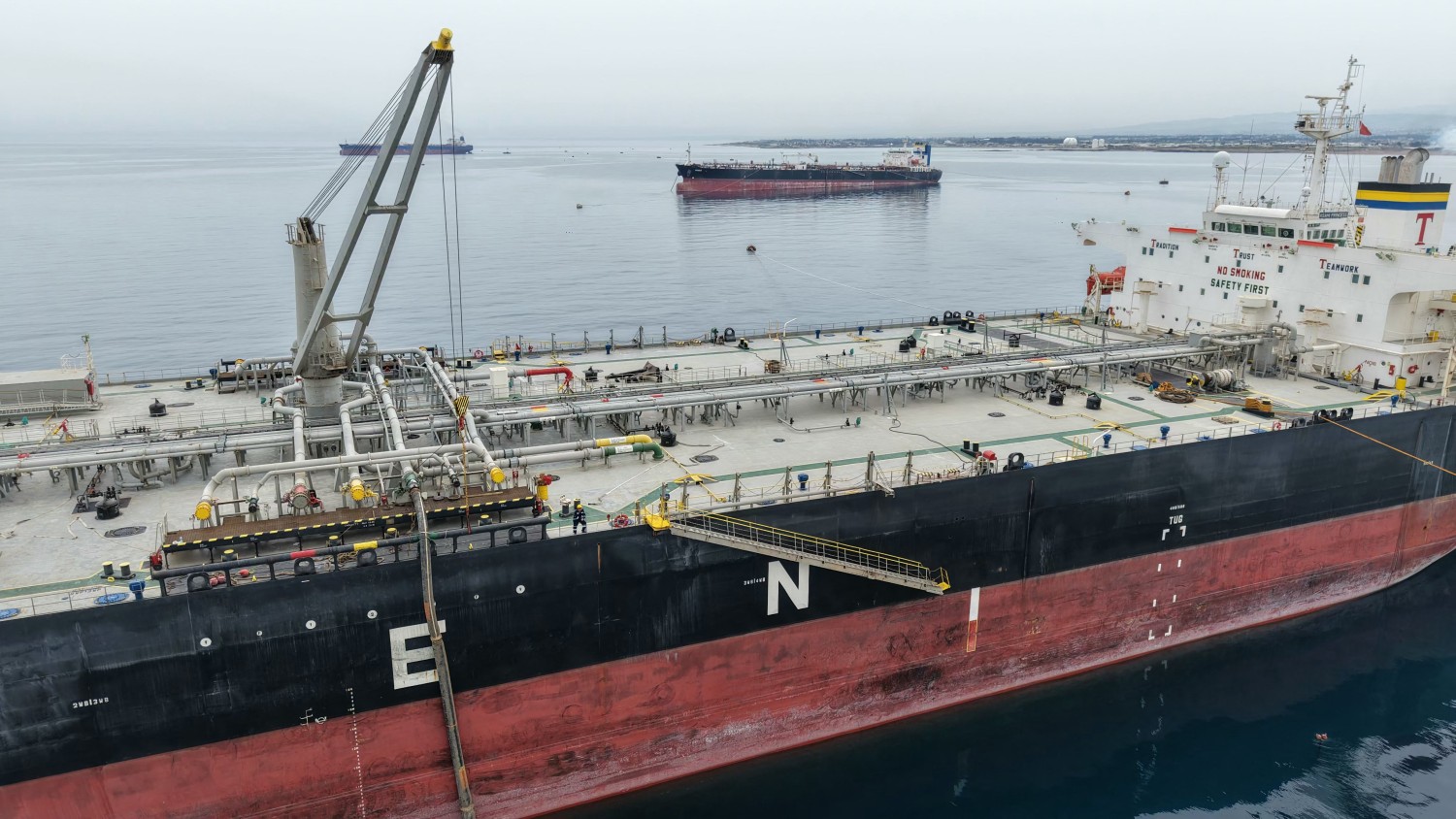
How Events Unfolded
The situation turned critical early Thursday morning when Iranian naval units intercepted the MSC Francesca and a second merchant vessel. Reports from the region indicate that the ships were diverted toward Iranian waters after being surrounded by fast-attack craft. For those on board, the routine transit through the world's busiest oil lane transformed into a terrifying hostage situation within minutes.
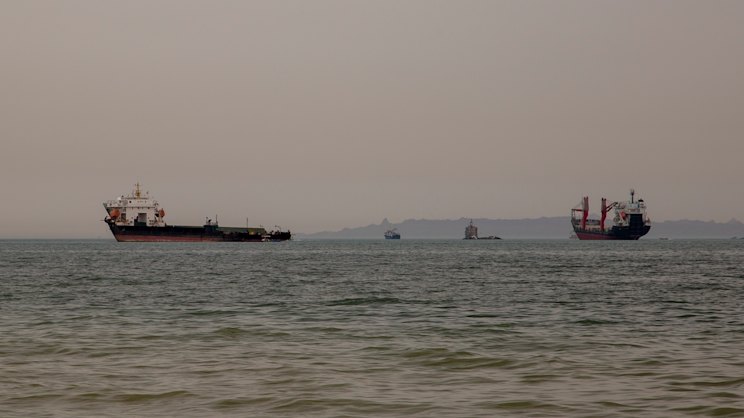
Simultaneously, an Indian-flagged vessel came under heavy fire off the coast of Oman. While the ship managed to avoid capture, it has been effectively disabled, floating in one of the most volatile stretches of water on the planet. Live tracking data shows a growing queue of tankers hesitant to enter the strait, fearing they could be the next target in this unfolding maritime drama.
Tehran’s justification is blunt: they are demanding the immediate lifting of the U.S. naval blockade. By asserting 'strict control' over the waterway, Iran is effectively holding a knife to the throat of global energy supplies, putting the cat among the pigeons just as diplomatic efforts seemed to be gaining some traction.
Critical Details
Why now? This isn't just a random act of piracy; it's a calculated geopolitical gamble. Iran has slammed what it calls a 'lack of good faith' from Washington, claiming that the promised easing of economic pressure hasn't materialized. The White House, however, suggests that Donald Trump is 'satisfied' with the current blockade, creating a dangerous deadlock where neither side is willing to blink first.
The impact of this blockade is being felt far beyond the Middle East. For Australia, which relies heavily on international shipping routes for both exports and refined fuel imports, any disruption in the Strait usually translates to a jump in prices at the local petrol pump within weeks. It’s a long way from home, but our economic security is tied directly to these narrow waters.
Reactions & Responses
The international community has reacted with a mix of alarm and condemnation. Official statements from the U.S. suggest they are awaiting a 'unified proposal' from Tehran before considering any adjustments to the blockade. Meanwhile, regional powers are scrambling to prevent a full-blown regional conflict.
Iran has shown a complete lack of good faith. By seizing commercial vessels, they are intentionally escalating a situation that was finally beginning to cool down.
In Lebanon, the ripple effects are already being felt, with Israeli strikes reportedly killing two people as the border conflict there remains inextricably linked to the broader tensions with Iran. This isn't just a maritime dispute; it’s a regional wildfire that's threatening to jump the containment lines.
Putting It in Perspective
If the MSC Francesca and its counterpart aren't released soon, we could see a permanent shift in how maritime insurance and security are handled in the region. Brent Crude prices have already spiked by 4% since the news broke, and if the Strait remains under Iranian 'strict control,' those numbers are only going one way.
For the average Aussie, this means more than just a headline. It affects the cost of transport, the price of groceries, and the stability of our superannuation funds which are often heavily invested in global energy and logistics. Fair dinkum, the stakes haven't been this high in the Middle East for years.
Looking Ahead
What’s next? All eyes are on the U.S. Fifth Fleet stationed in Bahrain. Will they move to escort tankers, or will there be a diplomatic breakthrough? Trump is reportedly waiting for a formal response from the Islamic Republic before deciding his next move. For now, the crews of the seized ships remain in limbo, caught in a geopolitical tug-of-war that shows no signs of letting up.
FAQ
Which ships were seized by Iran?
The MSC Francesca and a second unidentified merchant vessel were seized. An Indian-flagged ship was also fired upon and disabled.
Why is the Strait of Hormuz so important?
It is the world's most critical oil transit point, with roughly 20-30% of global oil passing through its narrow waters daily.
What does Iran want?
Iran is demanding that the United States lift its naval blockade and has cited a 'lack of good faith' in recent ceasefire negotiations.
How will this affect petrol prices in Australia?
Disruptions in the Strait of Hormuz typically lead to higher global oil prices, which usually result in increased costs at Australian petrol stations within 1-2 weeks.