
Last updated: April 8, 2026
North Korea’s back-to-back missile launches rattle region — and reset tensions overnight
North Korea fired multiple ballistic missiles into waters near Japan over consecutive days this week, escalating tensions across East Asia. The launches come amid renewed rhetoric targeting South Korea, disrupting already fragile diplomatic efforts.

The Full Story
It started with a warning shot — then another. Over two consecutive days, North Korea launched what officials described as ballistic missiles into the East Sea, known internationally as the Sea of Japan. South Korea’s military confirmed the launches, calling them “unidentified projectiles” but consistent with previous missile activity.
The timing wasn’t random. Pyongyang had just mocked South Korea’s leadership, labelling them “fools” in state rhetoric. Within hours, the missiles followed. Bit of a one-two punch, if you ask observers watching closely.
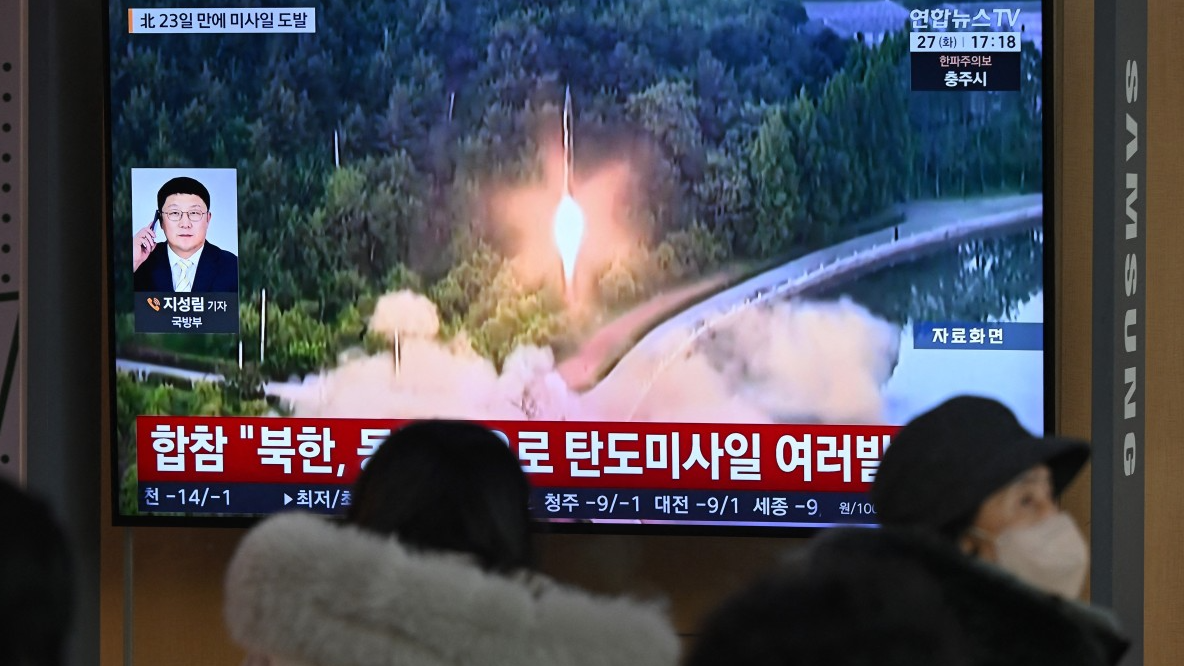
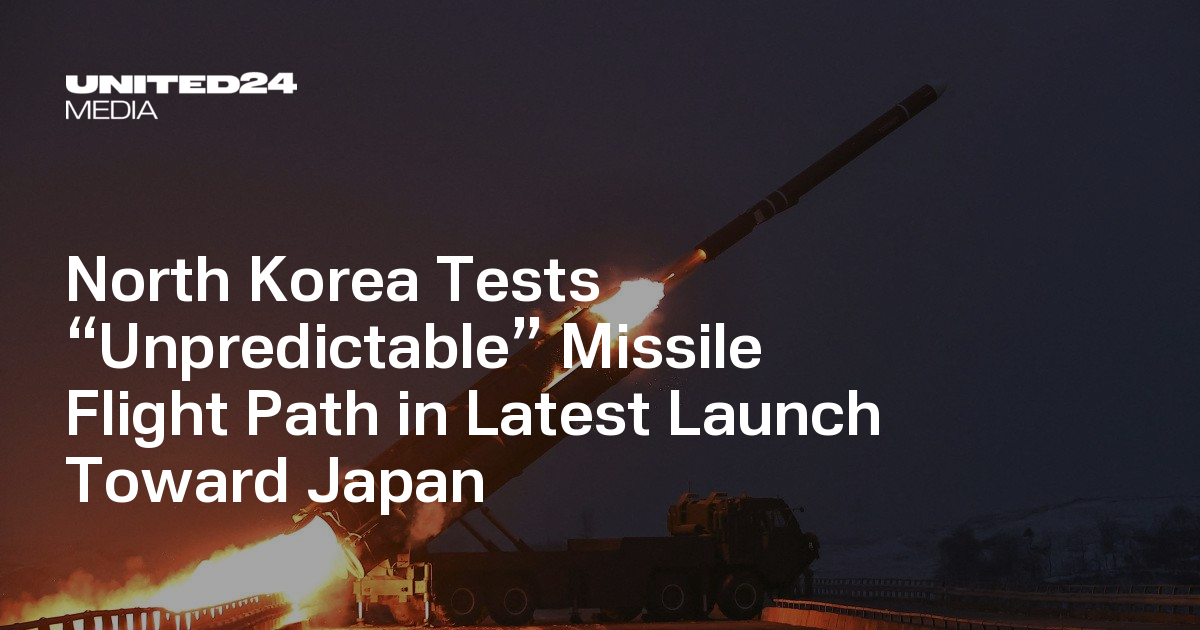
What caught analysts off guard this time wasn’t just the launches themselves, but the flight patterns. Reports suggest at least one missile followed what’s being described as an “unpredictable” trajectory — a technical shift that makes interception and tracking more difficult. In plain terms: harder to predict, harder to stop.
Meanwhile, hopes for improved relations between North and South Korea have taken a hit. Just weeks ago, there were tentative signals of easing tensions. Now? Those feel like yesterday’s news.
This isn’t the first time North Korea has tested missiles in quick succession. Similar patterns were seen in 2022 and 2023, often tied to political messaging or military drills in the region. But the back-to-back timing here — and the sharper tone — suggest something more deliberate.
The Main Players
North Korea remains the central actor, using missile tests as both a military exercise and a political signal. Its leadership has long relied on these displays to assert strength and demand attention on the global stage.
South Korea, directly in range, is responding cautiously. Its military confirmed the launches quickly, maintaining a defensive posture while avoiding escalation.
Japan is also closely involved, given the missiles landed in nearby waters. The country has strengthened its missile defence systems in recent years, partly in response to repeated tests like these.
The United States, though not directly mentioned in the launches, remains a key security ally for both Seoul and Tokyo. Joint military exercises often trigger reactions from Pyongyang — and this could be another example.
Key Statistics
- 2 consecutive days of missile launches confirmed
- At least 1 missile with irregular flight path, complicating interception
- Missiles landed in waters near Japan, outside direct territorial impact zones
What This Means
Here’s the thing: while these missiles didn’t hit land, the message travels far beyond the splash zone. For Australia, it’s another reminder that regional security in the Indo-Pacific isn’t abstract — it’s right on our doorstep.
Australia has deep defence ties with both the US and regional partners like Japan and South Korea. Increased instability in Northeast Asia can ripple into defence planning, trade routes, and even diplomatic priorities.
What’s interesting is how these tests often coincide with broader geopolitical shifts. Whether it’s joint military drills, sanctions pressure, or internal political messaging, North Korea tends to act when it wants to be heard — loudly.
And for everyday Australians? It might feel distant, but it feeds into decisions about defence spending, regional alliances, and how secure shipping lanes remain. It’s all connected, even if it doesn’t feel like it on a quiet morning in Sydney or Melbourne.
What to Expect
More monitoring, for starters. South Korea and Japan are expected to increase surveillance and readiness in the coming days.
Diplomatic responses are likely to follow, especially from the US and its allies. Whether that leads to talks or further escalation is anyone’s guess.
And if you’re following this closely, don’t be surprised if more tests occur. North Korea has a pattern — and it rarely stops at just one move.
FAQ
What did North Korea launch?
Ballistic missiles, which are weapons that travel high into the atmosphere before descending toward a target.
Where did the missiles land?
In waters near Japan, specifically the East Sea (Sea of Japan), outside territorial land areas.
Why is the flight path important?
An unpredictable trajectory makes missiles harder to track and intercept, increasing security concerns.
How does this affect Australia?
It impacts regional stability in the Indo-Pacific, influencing defence strategies and alliances Australia is part of.
Will there be more missile tests?
Possibly. North Korea has previously conducted multiple tests in short periods, especially during heightened tensions.