
Paul Hogan rejected Pauline Hanson’s “Australian monoculture” pitch from Los Angeles on 28 June 2026, calling the One Nation leader “a pelican” after she named him as part of her cultural ideal. The remark quickly shifted a Canberra argument about national identity into a very Australian fight over slang, migration and who gets to define belonging.

The Full Story
The row began after Hanson used a National Press Club address in mid-June to argue Australia should be “monocultural”, then doubled down in the Senate by naming Hogan and Norman Gunston as “essential features of Australian monoculture”. The One Nation leader said her idea was about shared values, customs and traditions, including a fair go, tolerance, secular democracy, freedom of speech and religion, and the rule of law.
That framing did not land neatly. In Canberra, politicians spent days trying to answer whether Australia should be “monocultural”, whether the term meant assimilation, and whether multiculturalism could be folded into Hanson’s phrase. The debate drew in Liberal leader Angus Taylor, who described the terms around the issue as “vague words”, and Liberal frontbencher James Paterson, who called Hanson’s vision “deeply weird”.
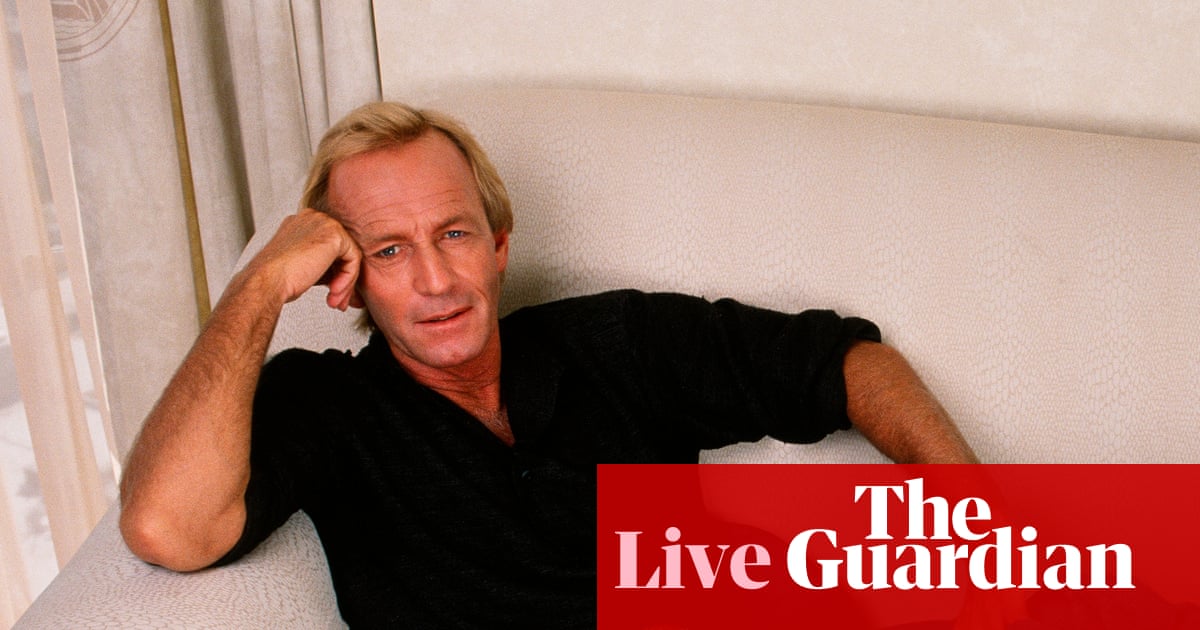
Hogan’s reply, reported by the Australian Financial Review and later covered widely, was blunt. The actor, now 86 and living in Los Angeles, said Hanson was “living in the past” and rejected the idea that Australia could be reduced to one cultural mould.
“She’s a pelican, yeah. Outrageous, so racist. It sounds very much like this stupid boofhead over here, Trump.”
The “pelican” jab sent readers hunting for meaning. The Guardian traced it through Australian slang, Hogan’s own Crocodile Dundee line — “Get on the right side of the road, ya pelican!” — and older bird insults such as galah, bin chicken and drongo. In common use, the insult points to a fool or clown, though the actual bird came out of the yarn looking rather better than the politics.
The Main Players
Pauline Hanson is the One Nation leader whose call for a monocultural Australia pushed migration, values and assimilation back into the centre of federal politics. She has described the term as welcoming and tied it to shared Australian customs, but critics say the label blurs civic values with cultural conformity.
Paul Hogan matters here because Hanson used him as a cultural reference point. His rejection undercut that move: the man she held up as an Australian ideal used his own larrikin authority to defend a multicultural Australia.
James Paterson, a Liberal frontbencher, gave one of the sharper Coalition responses, saying: “For decades, if not centuries, Australians have spoken other languages at home.” Anne Aly, the multicultural affairs minister, accused Hanson of using the Socceroos to make her views more “palatable”.
Key Statistics
The argument is happening at a time when migration sentiment is moving. SBS reported that net overseas migration peaked at nearly 538,000 people in 2022-23, then fell to 429,000 in 2023-24 and 306,000 in 2024-25, according to the Australian Bureau of Statistics.
Polling cited by SBS found 55 per cent of Australians now say the number of migrants coming to Australia is “too high”. The Conversation also reported Lowy Institute polling showing 73 per cent say cultural diversity has been positive for Australia, down from 90 per cent in 2024. Put together, the numbers show a country still broadly supportive of diversity, but far more anxious about housing, services and economic security.
What This Means
This is not only a fight about one word. “Monoculture” has become a container for frustration over migration levels, cost of living, housing pressure and trust in the major parties. Ian McAllister, a professor at the Australian National University, told SBS that One Nation’s rise was best understood as a “protest vote” linked to dissatisfaction with the major parties rather than one single issue.
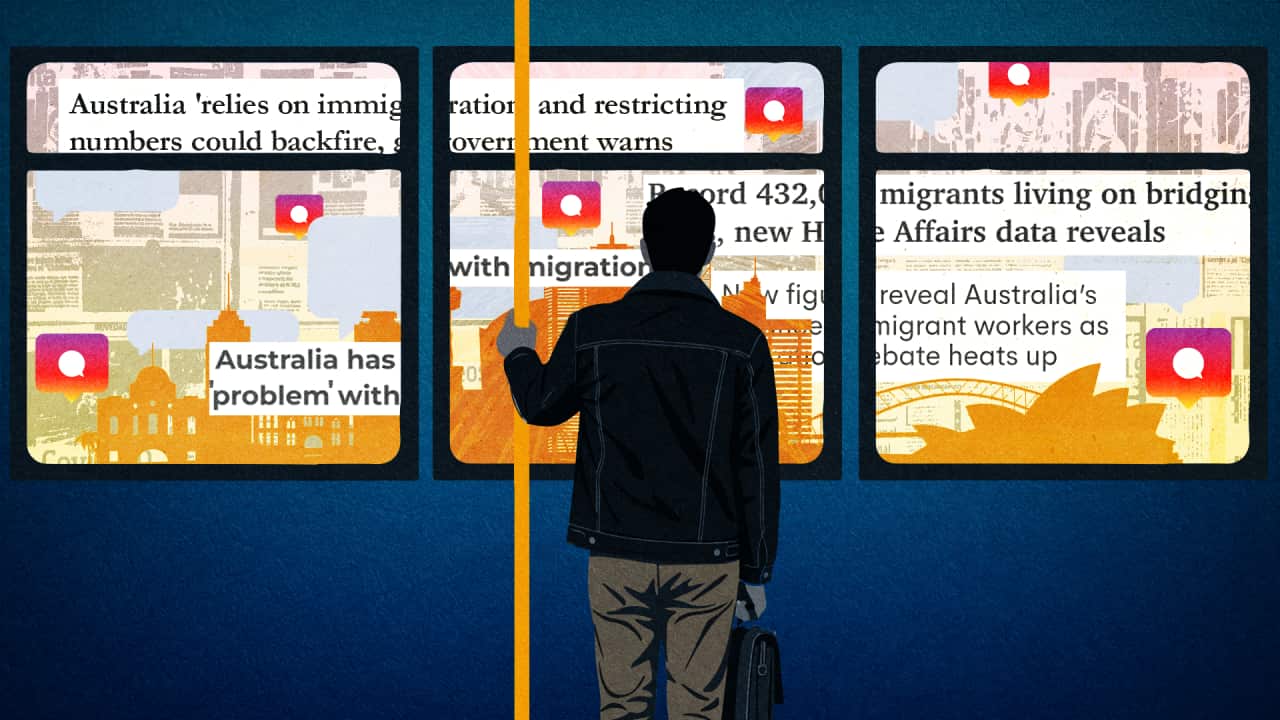
For migrants, the consequences are more personal than parliamentary wordplay. Tayyab Saeed, who moved from Pakistan to Melbourne in 2024, told SBS he had felt welcome in everyday life but was worried by rising anti-migration rhetoric. Indonesian student Khayra Fitria Asmanu said online news about migration protests made her feel unsafe as a potential international student.
That is the local effect for Australian readers: debates framed as abstract values can shape whether people feel safe at work, on campus, or in their own suburb. They can also influence whether students, skilled workers and families see Australia as a place worth choosing.
What to Expect
The monoculture argument is likely to keep running through federal politics because it now sits across several live issues: One Nation’s polling rise, the Coalition’s response to Hanson, and the government’s coming work on social cohesion. The Conversation reported that the royal commission on antisemitism, due to report in December, also has social cohesion within its brief.
Hanson has already shifted between Japan, the Socceroos and old-school Australian icons as examples. Opponents now face a choice: challenge the substance of her claims, or keep feeding the spectacle that turns every definition dispute into more content for One Nation.
FAQ
What did Paul Hogan say about Pauline Hanson?
Paul Hogan called Pauline Hanson “a pelican” and said she was “living in the past” after she named him as part of her idea of Australian monoculture.
What does “pelican” mean in Australian slang?
In this context, “pelican” is being used as an insult meaning a fool or clown, based on the way the bird is sometimes perceived in Australian slang.
Why did Hanson mention Paul Hogan?
Hanson told the Senate that Paul Hogan and Norman Gunston were “essential features of Australian monoculture” while defending her argument about shared Australian values.
How does the migration debate affect Australia?
SBS reported that migrants and prospective international students are watching the tone of the debate closely, with some saying it affects their sense of safety and their plans to live or study in Australia.
When is the social cohesion report due?
The Conversation reported that the royal commission on antisemitism, which includes social cohesion in its brief, is due to report in December.