
Last updated: 14 July 2026, 3:20am AEST
Australians have a direct stake in the latest US-Iran escalation because oil prices have jumped, global markets have fallen and Australian defence personnel are operating in the region. US President Donald Trump says Washington will reinstate a blockade on vessels linked to Iranian ports and seek a charge equal to 20% of cargo shipped through the Strait of Hormuz. Iran has rejected US control of the waterway, while both sides have exchanged fresh strikes across the Middle East.
Setting the Scene
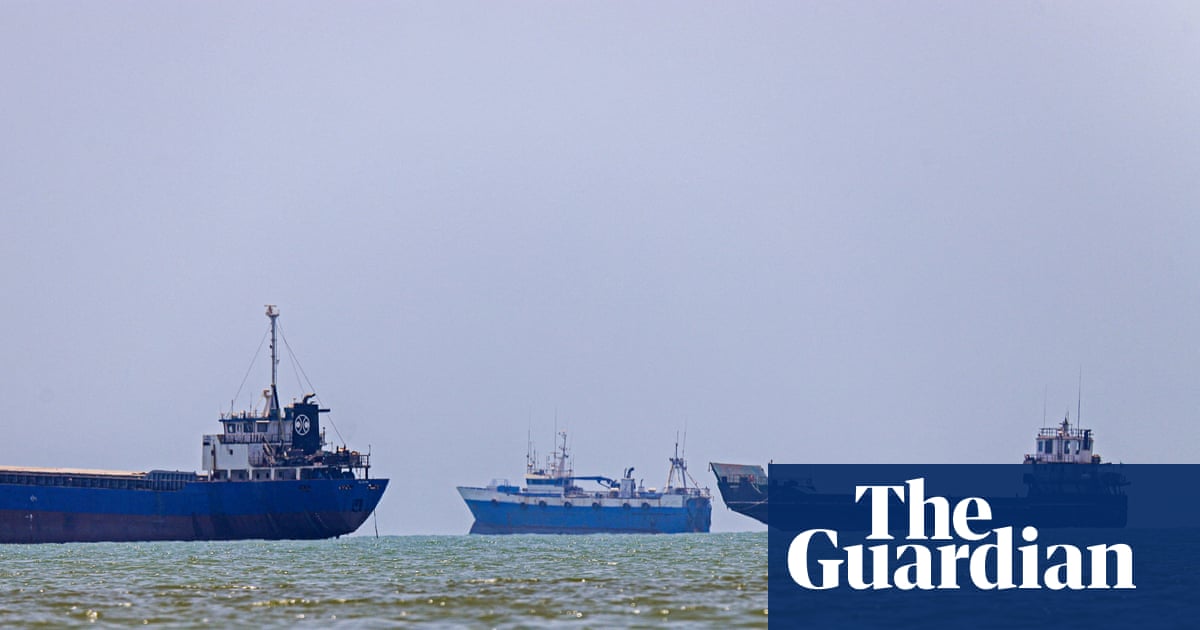
The Strait of Hormuz has become the central pressure point in the conflict. Before the war, about a fifth of the world's oil supply normally passed through the narrow shipping route, while another source put the share at roughly 25% of global oil and 20% of liquefied natural gas. That concentration allows disruptions to move energy prices quickly.
The confrontation also exposes the collapse of an interim US-Iran arrangement signed just over three weeks ago. According to the ABC's account of the agreement, Washington was meant to lift its blockade and Iran was to reopen the strait toll-free for 60 days while negotiations continued. Trump said last week he believed the ceasefire was over.
Shipping was already under severe strain. Kpler data showed only six vessels crossed the strait on Sunday, the lowest number in five weeks, and no visible liquefied natural gas tankers entered over the weekend.
Here's What Happened
Trump announced that the US would resume the blockade against vessels travelling to or from Iranian ports and coastal areas. The measure was scheduled to begin at 20:00 GMT on 14 July, which the ABC reported as 6am Wednesday AEST. He said other traffic would retain access, but the US would seek reimbursement at a rate of 20% of all cargo shipped.
The legal and practical basis for that charge is contested. A spokesperson for the International Maritime Organization said there was no legal basis for mandatory tolls simply to transit an international strait. The narrowest part of the waterway and its shipping lanes lie within Iranian and Omani territorial waters.
The announcement followed another cycle of strikes. The US said it targeted Iranian air defence systems, coastal radars, missile and drone sites, while Iran said it attacked US military bases in Kuwait, Jordan and Bahrain, as well as radars in Oman. Jordan said it intercepted four Iranian missiles without casualties or damage. Australian Defence Minister Richard Marles' office confirmed Australian personnel operating an RAAF Wedgetail surveillance aircraft were unharmed.
Markets moved quickly. Brent crude rose 5% to $79.37 a barrel, up from $72.48 before the US-Israeli strikes on Tehran in late February. Asian shares fell sharply, including an 8% drop in South Korea's Kospi, while airline and technology stocks weakened.
Reactions & Responses
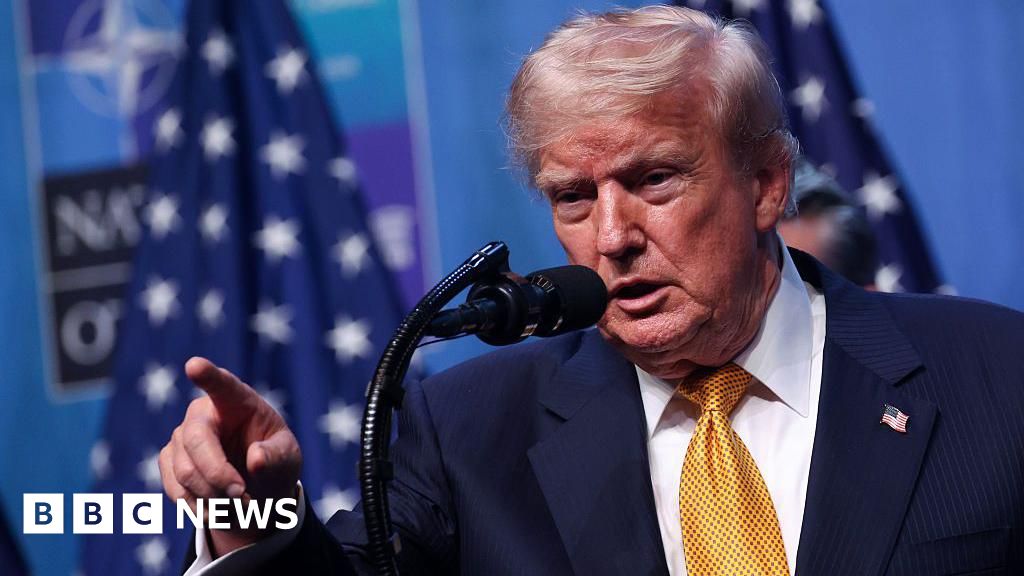
Trump framed the plan as a security charge rather than a general closure. He wrote that the US would become the “guardian” of the route and be reimbursed for keeping it open to countries other than Iran.
A return to full-scale hostilities would have catastrophic consequences.
Iranian Foreign Minister Abbas Araghchi answered with his own claim to the same role, saying Iran had always been the strait's guardian and would remain so. Iran's top military command warned that regional cooperation with the US over management of the waterway would be treated as an act of war against Iranian sovereignty.
The Bigger Picture
For Australian readers, the strongest immediate link is through energy and regional security. A 5% rise in Brent crude shows how rapidly the conflict can move prices before the full effect of the blockade is known. Airline shares fell on both sides of the Atlantic, while higher oil prices renewed concern about inflation and interest rates.
The military risk is also closer than the geography suggests. Australian personnel are deployed in the region, and Iranian retaliation has reached several Gulf states that host US forces. The dispute now centres on who sets the rules, who pays and whether either side can enforce its claim without widening the war.
The Road Ahead
The next confirmed step is the scheduled start of the US blockade at 20:00 GMT on 14 July. What remains specifically unresolved is how the proposed 20% charge would be collected, who would pay it and whether shipping companies or governments would comply.
Mediators including Pakistan, Qatar and Egypt have continued ceasefire efforts, but renewed strikes and competing claims over Hormuz have badly damaged the interim agreement.
Frequently Asked Questions
When does the US blockade of Iranian ports begin?
US Central Command said it would begin at 20:00 GMT on 14 July 2026, reported in Australia as 6am Wednesday AEST.
What is Trump's proposed Strait of Hormuz charge?
Trump said the US would seek reimbursement equal to 20% of all cargo shipped through the strait, although the payment mechanism was not specified.
How much did oil prices rise after the announcement?
Brent crude climbed 5% to $79.37 a barrel on Monday.
Were Australian personnel harmed in the regional strikes?
No. Richard Marles' office told the ABC that Australian personnel operating an RAAF Wedgetail surveillance aircraft were unharmed.
Why is the Strait of Hormuz so important?
Before the war, about a fifth of the world's oil supply normally passed through the route, making disruptions significant for global energy markets.