
Last updated: 24 July 2026
Oil Tops $100 as Trump Weighs Massive Attack on Iran
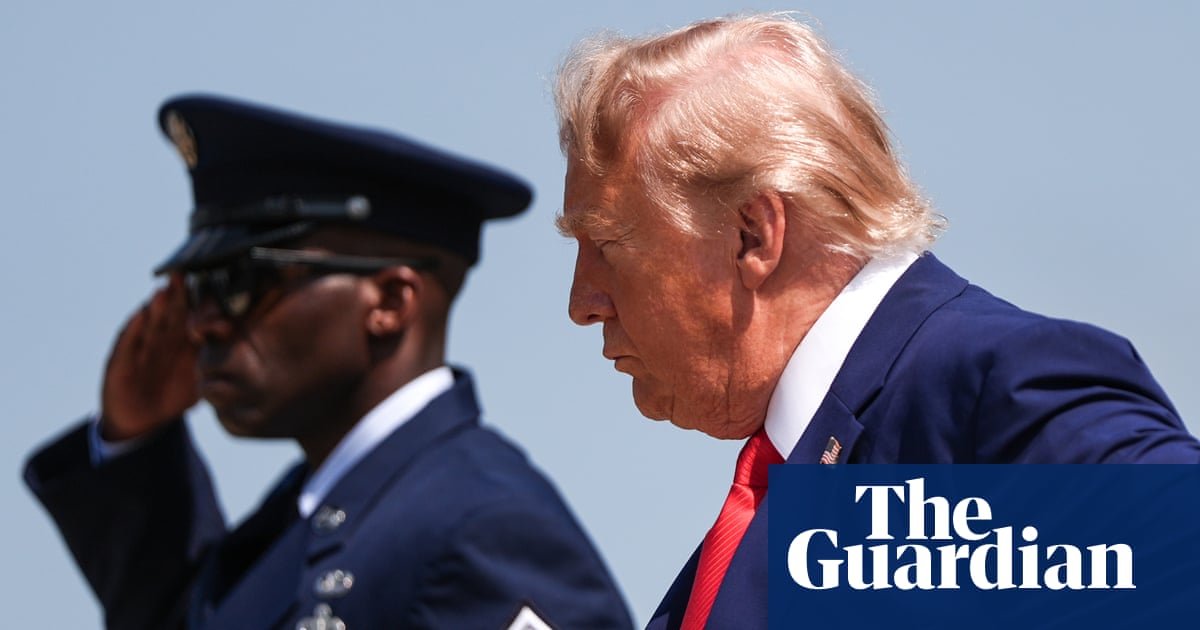
US President Donald Trump has warned he is close to launching an unprecedented "massive attack" against Iran following new strikes on oil shipping routes. The announcement comes as global crude prices shot past $100 a barrel, threatening fresh inflationary pressures for everyday Australians at the fuel pump. With maritime chokepoints in the Middle East under fire, international leaders are warning the conflict is teetering on the brink of total escalation.
Why This Is Trending
Search interest surrounding the Iran conflict surged after Trump disclosed in an interview with Axios that he is evaluating a fresh, large-scale military offensive. His statements coincided with Yemen’s Iran-backed Houthi militia launching attacks against two Saudi Arabian oil tankers in the Red Sea. The immediate disruption to critical global shipping lanes triggered an instant reaction in energy markets, sending crude oil prices soaring worldwide.
What Happened
Speaking to Axios, Trump stated:
He added that Israel "would join in two minutes if I ask them to", though he maintained that American forces do not require external assistance.I am considering a massive attack. Bigger than ever before. I am close to making a decision. We are all set for it.
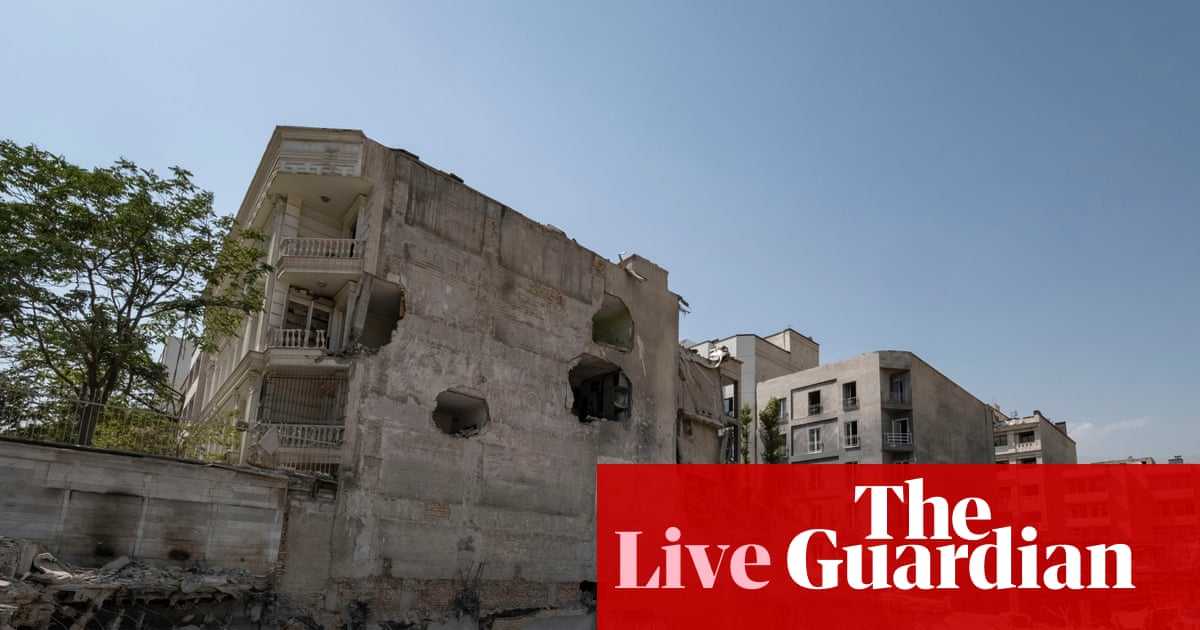
The threat follows a 12th consecutive night of US air strikes targeting Iranian military infrastructure, drone storage, and coastal surveillance sites. In response to the escalating crisis, benchmark Brent crude jumped past $100 per barrel for the first time in two months. Meanwhile, the Houthi militia declared a maritime blockade against Saudi ports after striking two tankers, the Encelia and the Layla, in the Bab el-Mandeb strait.
What We Know So Far
The situation spans multiple fronts across diplomatic, military, and economic channels:
- Military Strikes: US Central Command executed strikes on Iranian military assets. Iranian state media reported two people were killed and 11 injured in a strike near the Shalamcheh border crossing with Iraq.
- Red Sea Disruptions: The Bab el-Mandeb strait handles roughly 12% of global trade. Houthi attacks on tankers have forced at least nine vessels to alter course, raising fears that cargo may need to reroute around Africa's Cape of Good Hope.
- Strait of Hormuz: Iran's Islamic Revolutionary Guard Corps claimed it stopped three tankers transiting the strait. However, US Central Command denied that Tehran controls the international waterway.
- Diplomatic Actions: The UK announced a temporary withdrawal of diplomatic staff from Iran due to security concerns, while Germany is pulling two naval vessels from the Red Sea.
- Political Opposition: The US House of Representatives passed a war powers resolution in a 214-208 vote directing Trump to withdraw military forces from the conflict.

Why It Matters
For readers in Australia, the conflict hits directly at global supply chains and domestic fuel costs. Higher crude oil prices translate rapidly into rising costs for diesel and petrol at local service stations, compounding broader cost-of-living challenges. Fresh strikes lift oil prices, adding volatility to energy markets across Asia-Pacific import routes. Furthermore, United Nations Secretary-General António Guterres warned the UN Security Council that the Middle East is "teetering on the edge of the unimaginable" as one escalation triggers the next.
What Happens Next
World leaders and market analysts are closely watching Washington for a formal decision regarding a larger strike on Iran. Airlines across the region are preparing for potential airspace closures, with the US State Department warning American citizens in the Middle East about travel cancellations. Meanwhile, international naval missions in the Red Sea remain on standby to protect commercial shipping routes as energy prices continue to fluctuate.
Frequently Asked Questions
Why did crude oil prices surge past $100?
Prices spiked after the Houthi militia attacked two Saudi oil tankers in the Red Sea and declared a blockade, threatening global shipping through the Bab el-Mandeb strait on top of existing disruptions in the Strait of Hormuz.
What is Donald Trump planning to do regarding Iran?
Trump stated he is close to deciding whether to order a "massive attack" on Iran that would be larger than any military action taken so far in the ongoing conflict.
How does the conflict affect shipping routes?
Threats in the Red Sea and the Strait of Hormuz force commercial ships to delay voyages or reroute around the southern tip of Africa, adding up to three weeks to travel times between Europe and Asia.