
Last updated: 11 July 2026
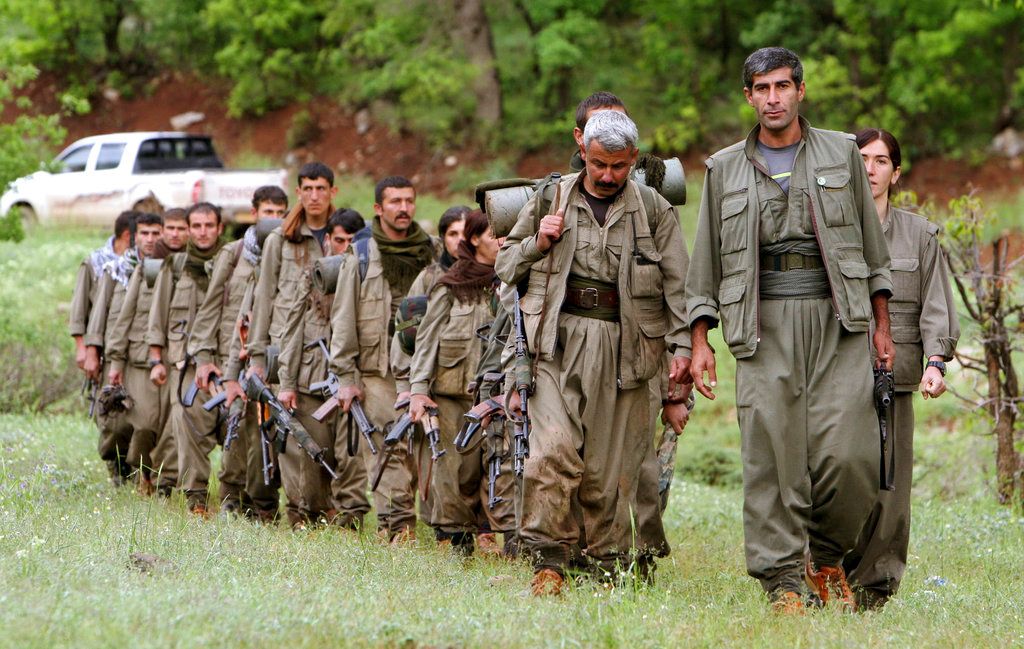
Several thousand Kurdish fighters were reportedly prepared for a ground operation inside Iran before Turkish pressure prompted Washington to halt the plan. Accounts published by multiple outlets describe months of alleged US-Israeli preparation, including weapons transfers, military training and plans for air support, although key claims have not been independently verified. The reported operation was designed to help destabilise Iran's government during a wider regional war.
The Bottom Line
- Israeli reports allege Kurdish militias based in Iraq were prepared to enter Iran with US and Israeli backing.
- Preparations reportedly included training, communications equipment, vehicles, uniforms and weapons.
- Turkish President Recep Tayyip Erdoğan allegedly pressed US President Donald Trump to stop the operation.
- The planned offensive was said to be part of a broader attempt to remove Iran's leadership and open a corridor towards Tehran.
- The exact roles of the CIA, Mossad and US military remain disputed, and several central allegations are based on unnamed sources.
Breaking It Down
The reported plan began taking shape after the 12-day conflict in June 2025, according to accounts attributed to former Israeli intelligence officials. Israeli and American advisers allegedly worked from Iraqi Kurdistan to recruit, train and equip Iranian and Iraqi Kurdish fighters. The force was expected to operate under Israeli and US air cover, seize territory and support an effort to replace Iran's government with a more pragmatic leadership.
Separate reports said Kurdish groups received weapons shortly before the intended attack. Israeli forces had also reportedly struck areas in western Iran to create conditions for an incursion. The operation did not proceed, with accounts from i24NEWS and Middle East Eye saying Washington withdrew its support after Erdoğan warned that empowering Kurdish armed groups near Turkey's border would threaten Turkish security.
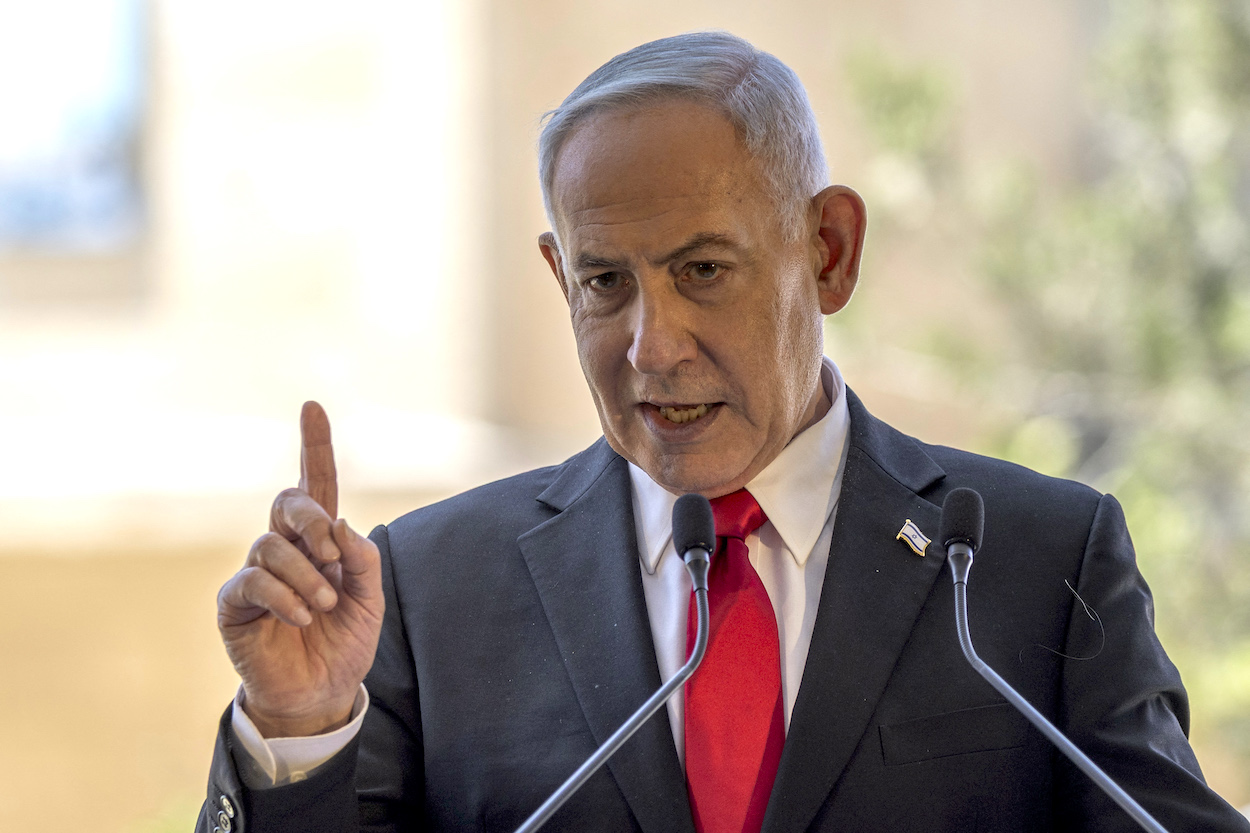
The sources disagree over how deeply American intelligence was involved. Former Israeli officials quoted by SpyTalk claimed the CIA participated throughout the planning process, reviewing proposals and preparing Kurdish fighters. Other accounts said CIA Director John Ratcliffe rejected major elements of the strategy. No named US official in the supplied reports publicly confirmed the proposed invasion.
Turkey's reported intervention reflects its longstanding opposition to armed Kurdish organisations operating across Iraq, Syria and Iran. Ankara was also said to fear that the collapse of Iran's central government could create instability along Turkey's southeastern frontier. One report alleged Erdoğan coordinated with Syrian President Ahmed al-Sharaa before raising the matter directly with Trump.
Why This Matters
A Kurdish ground offensive could have widened the conflict far beyond airstrikes between Iran, Israel and the United States. It also risked drawing Turkey into a more direct confrontation with Israel while increasing pressure on Iraq, whose northern territory was reportedly being used to prepare the fighters.
The allegations matter to Australians because further escalation around Iran and the Strait of Hormuz could disrupt global energy supplies. The supplied reports describe attacks on tankers, halted shipping routes and disputes over control of the strait, a major passage for oil and natural gas. Prolonged disruption could flow through to international fuel prices, freight costs and inflation-sensitive household expenses in Australia.
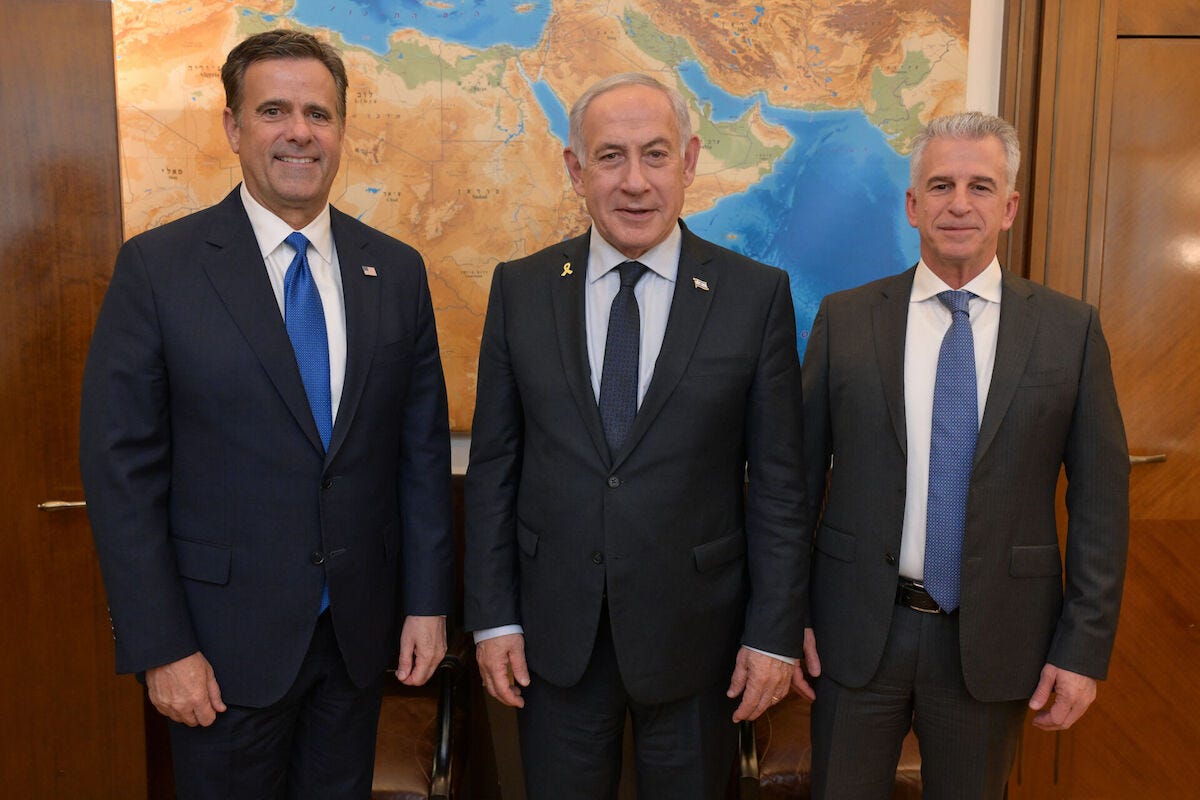
The episode also exposes competing priorities among countries that opposed Iran during the conflict. Israel reportedly favoured continued military pressure and regime change, while Turkey opposed strengthening Kurdish forces. Qatar and Oman backed further diplomacy, and Saudi Arabia was reported to reject a renewed naval war despite dissatisfaction with the conflict's outcome.
What Comes Next
Pakistan and Qatar are identified in the supplied reports as likely mediators if fighting intensifies again. Diplomatic efforts are expected to focus on maintaining the ceasefire, restoring safe passage through the Strait of Hormuz and addressing disputes over Iran's nuclear program.
No source confirms that the Kurdish operation has been permanently abandoned. The specific groups involved, the quantity of weapons supplied and the final chain of command have not been publicly disclosed.
Frequently Asked Questions
Did Kurdish forces invade Iran?
No. The supplied reports say Kurdish fighters were prepared for an incursion, but the United States stopped the proposed operation before it began following Turkish pressure.
Why did Turkey oppose the Kurdish operation?
Turkey reportedly believed arming Kurdish militias near its borders would create a national security threat. Ankara also feared that the collapse of Iran's government could produce further regional instability.
Were the CIA and Mossad involved?
Several reports allege that American and Israeli intelligence helped plan, train and equip the proposed force. Their precise roles are disputed, and the supplied material contains no public confirmation from a named CIA or Mossad representative.
What was the operation supposed to achieve?
The reported objective was to enter Iran from Iraqi Kurdistan, seize territory and help create a route towards Tehran. It formed part of a wider alleged strategy to destabilise or replace Iran's government.
How could renewed conflict affect Australia?
Escalation around the Strait of Hormuz could affect global oil and gas shipments. Disruption to those flows may contribute to higher international fuel, transport and freight costs that eventually reach Australian consumers.