
12.5 per cent is the number now sitting at the centre of Australia’s argument with Washington. Greg Moriarty, Australia’s new ambassador to the United States, has arrived in DC with three fights already on his desk: proposed Trump administration tariffs, anxiety over AUKUS submarines, and pressure over Australia’s role around Iran and maritime security. His first message is that Canberra will push back on trade while trying to keep the alliance steady.
The Bottom Line
- Greg Moriarty replaced Kevin Rudd as Australia’s ambassador to the United States in April and formally presented his credentials to President Donald Trump late last month.
- The Trump administration has proposed lifting tariffs on Australian goods from 10 per cent to 12.5 per cent over alleged failures linked to forced labour import controls.
- Moriarty says Australia will push back “robustly but respectfully” and is preparing a submission to the Office of the US Trade Representative.
- On AUKUS, Moriarty says US officials he has spoken with have shown strong support, even as American shipbuilding capacity remains a central concern.
- Australia is contributing more than $4 billion to the US submarine industrial base to help increase production capacity.
Breaking It Down
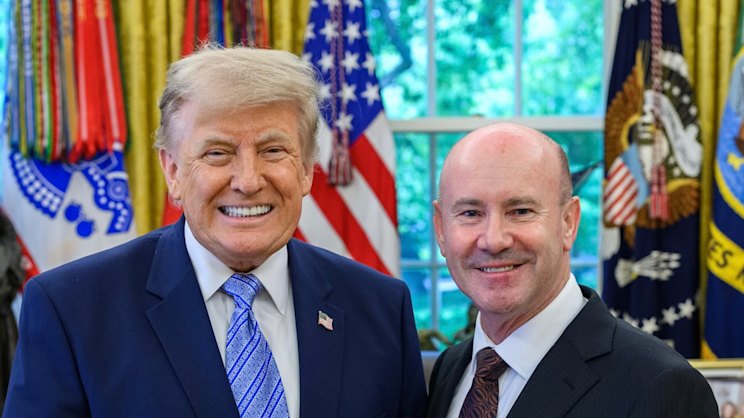
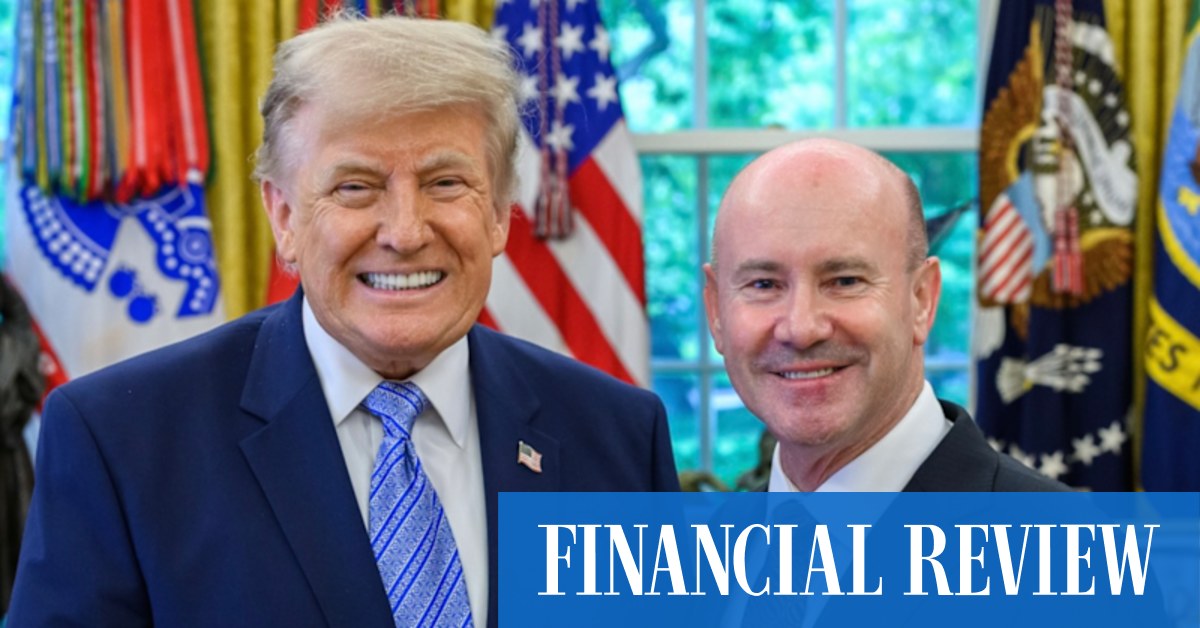
Moriarty’s posting began with symbolism and pressure in equal measure. He took over from former prime minister Kevin Rudd in April, then formally presented his credentials to Trump in the Oval Office late last month. According to Moriarty, Trump spoke warmly about Australia and Prime Minister Anthony Albanese, calling Albanese his “good friend” and describing Australia as one of his “favourite countries”.
That warmth has not removed the trade problem. The Trump administration has flagged a proposed 12.5 per cent tariff on Australian imports, up from 10 per cent, after alleging Canberra had failed to impose and enforce a forced labour import prohibition. Moriarty told the masthead he had raised the matter in introductory calls with US officials, while the ABC reported Australia is preparing a submission to the USTR and may recruit Australian businesses to help make its case.
The ambassador’s argument is simple: Australia wants the existing free trade agreement respected. He said the government was not seeking to horse trade with Washington on tariffs, and the Australian Financial Review reported he would not push for a new trade deal, even as the White House has shown willingness to give preferential treatment to other exporting nations.
Defence is the other half of the story. Under AUKUS, Australia is due to buy at least three nuclear-powered Virginia-class submarines from the US. The US has now confirmed all three boats will be in-service, or second-hand, closing off the possibility that one vessel would be brand new. Moriarty, who previously led the Department of Defence, has acknowledged AUKUS is an “enormously challenging endeavour”, but said the US commitment he has encountered in Washington has been strong.
- AUKUS
- A defence pact under which Australia is due to acquire nuclear-powered submarines from the United States.
- Virginia-class submarines
- The US nuclear-powered submarines Australia is expected to purchase under AUKUS.
- USTR
- The Office of the US Trade Representative, the US body handling the tariff consultation process.
Why This Matters
For Australian exporters, the proposed tariff is more than diplomatic noise. A move from 10 per cent to 12.5 per cent would affect the cost of goods entering the US market and force Canberra to defend its modern slavery and forced labour regime in a high-stakes consultation process. Moriarty’s plan to bring business into the argument shows the government wants industry evidence, not just diplomatic language, to carry weight in Washington.
We’re going to engage robustly and respectfully with the process, and I’m talking to Australian business about how we can work together to make Australia’s case against such a measure,
AUKUS matters just as directly. The submarine deal is tied to Australia’s long-term defence planning, but its success depends partly on US shipyards being able to build enough boats for American needs before transferring submarines to Australia. ABC reported Moriarty conceded the US military shipbuilding program was “not where they want it to be”, while also saying US production had reached two boats last year and two this year.
The Iran dimension adds another layer. Moriarty, a former Australian ambassador to Iran, said Australia’s position was that the war should be settled diplomatically as quickly as possible. He also said Australia was discussing its contributions, including an E-7 surveillance aircraft for the United Arab Emirates, and future maritime security mechanisms.
What Comes Next
The next confirmed step is Australia’s submission to the USTR process on the proposed tariff. Moriarty has said the government is gathering business input to support its case and is dealing with the proposal at face value.
On AUKUS, Moriarty says he is engaging with the Trump administration, the Pentagon and the US defence industry over how Australia’s more than $4 billion contribution will help lift the submarine industrial base. That makes his Washington posting one of the most consequential Australian diplomatic jobs of the moment.
FAQ
Who is Greg Moriarty?
Greg Moriarty is Australia’s new ambassador to the United States. He replaced Kevin Rudd in April and previously led the Department of Defence.
Why is Greg Moriarty in the news?
He has begun his Washington posting while Australia faces proposed US tariffs, AUKUS submarine concerns and questions about regional security linked to Iran.
What tariff is the Trump administration proposing for Australia?
The Trump administration has proposed a 12.5 per cent tariff on Australian goods, up from 10 per cent, linked to claims about forced labour import controls.
What is Australia doing about the proposed US tariff?
Australia is preparing a submission to the Office of the US Trade Representative and is speaking with Australian businesses to help make its case.
What did Moriarty say about AUKUS?
Moriarty said US officials he had spoken with were strongly supportive of AUKUS, while acknowledging the submarine plan is a difficult and demanding project.
Are Australia’s AUKUS submarines new?
The US has confirmed the three Virginia-class submarines Australia is expected to buy will be in-service, meaning they will not be brand new.