
Last updated: March 31, 2026
Why is Keir Starmer taking such a hard line with UK doctors?
British Prime Minister Keir Starmer has issued a blistering ultimatum to the nation's medics: cancel the upcoming industrial action within hours or watch a massive new jobs and investment package vanish. It is a high-stakes gamble that has pushed the long-running dispute over NHS pay into uncharted, and increasingly bitter, territory. The move marks a significant departure from previous attempts at conciliation, signalling that the Downing Street honeymoon period for public sector unions is well and truly over.
What We Know So Far
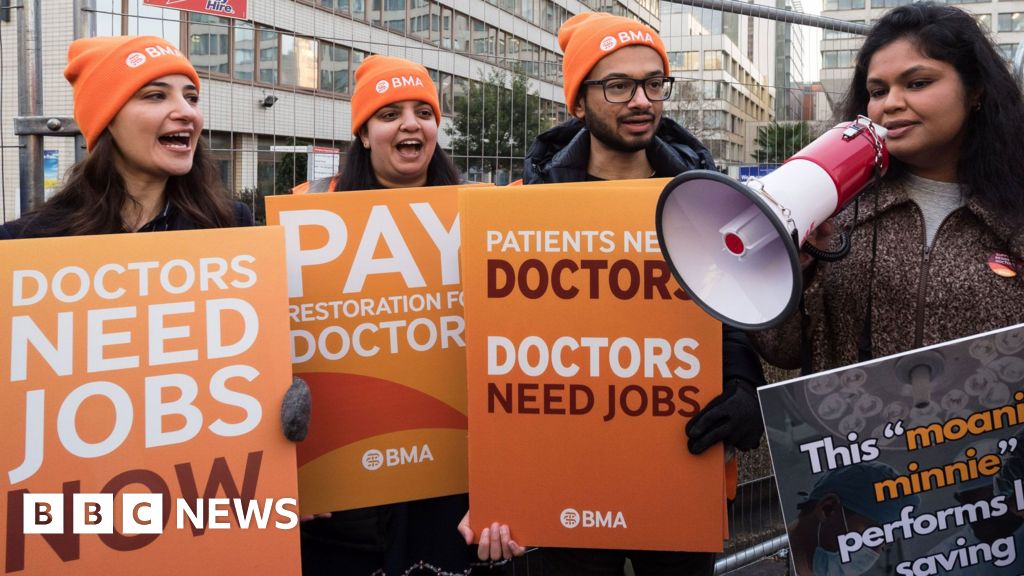
The situation escalated rapidly this week after talks between the British Medical Association (BMA) and the government hit a brick wall. Starmer has accused medics of 'walking away' from a fair pay deal, a claim that has sparked a furious row with union leadership. The Prime Minister’s latest tactic—threatening to withdraw a multi-billion pound 'jobs package'—is being viewed by many as an attempt to bypass union bosses and appeal directly to the workforce's pragmatism.
However, the medical community isn't blinking just yet. In fact, the opposition is broadening. Three major hospital doctors’ groups are now threatening to coordinate their strike action in England, a move that would effectively bring secondary care to a standstill. This isn't just about a single pay rise; it’s about the long-term viability of working in a system that many staff say is broken. When resident doctors describe being unable to live on their current monthly stipends, the argument shifts from policy to survival.
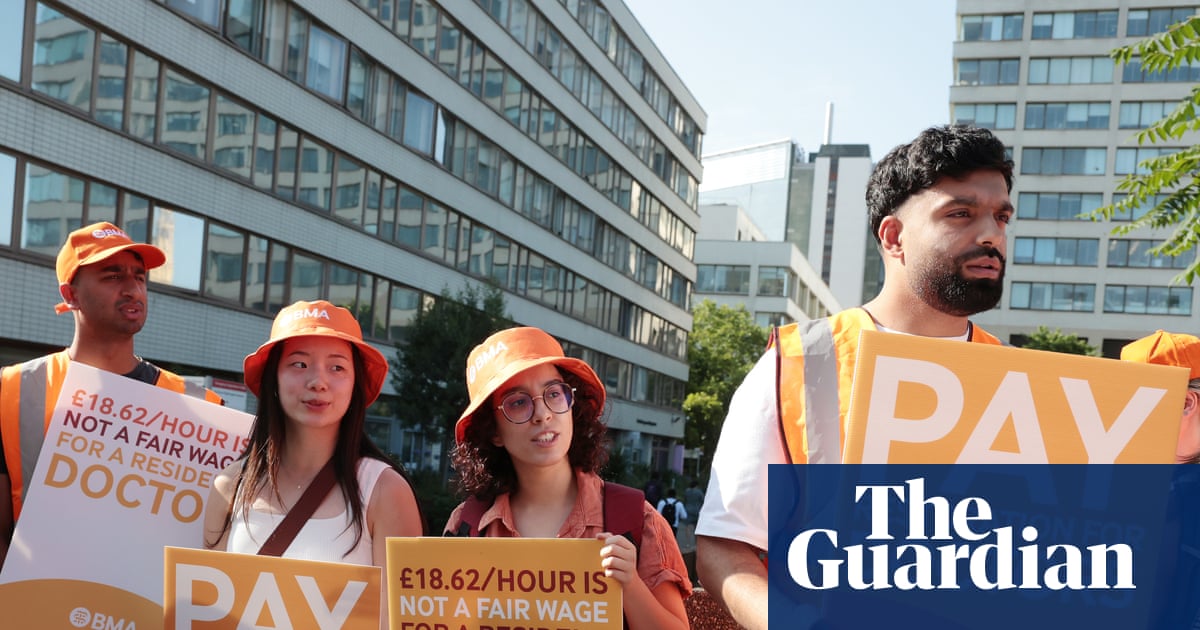
The NHS leadership is sounding the alarm, warning that a six-day strike will cause 'maximum harm' to patient safety and elective recovery targets. We are looking at thousands of cancelled appointments and surgeries at a time when the backlog is already at record levels. Starmer's calculation seems to be that the public will eventually turn on the doctors if the disruption becomes too severe, but for now, the BMA appears to have the backing of its members to dig in for a 'long haul'.
Voices & Opinions
The rhetoric from both sides has sharpened significantly, leaving little room for a face-saving compromise. Starmer is framing the issue as a matter of fiscal responsibility, while doctors are framing it as a fight for the future of the NHS.
I’m a doctor – I’m striking because I can’t live on £2,200 a month while paying off massive debt and trying to provide safe care.
On the flip side, the government maintains that the offer on the table is the most generous in a generation. The tension is palpable, with the Prime Minister essentially telling the medical profession that they are 'cutting off their nose to spite their face' by rejecting the current investment package.
Local Impact
For Australians, this might feel like a distant drama, but the 'brain drain' from the NHS has direct consequences here. Australia has long been a primary destination for UK-trained doctors seeking better pay and more balanced lifestyles. If Starmer's hardline approach fails to satisfy the BMA, we could see an even greater influx of British medical talent looking for 189 or 190 visas to work in our hospitals.
While that might sound like a win for our local healthcare system, it highlights a global crisis in medical retention. If the UK can't fix its system, the pressure on global medical migration increases. Furthermore, many Australians living in the UK or with family there are currently facing the reality of a healthcare system that is increasingly difficult to access during these periods of industrial action.
Coming Up
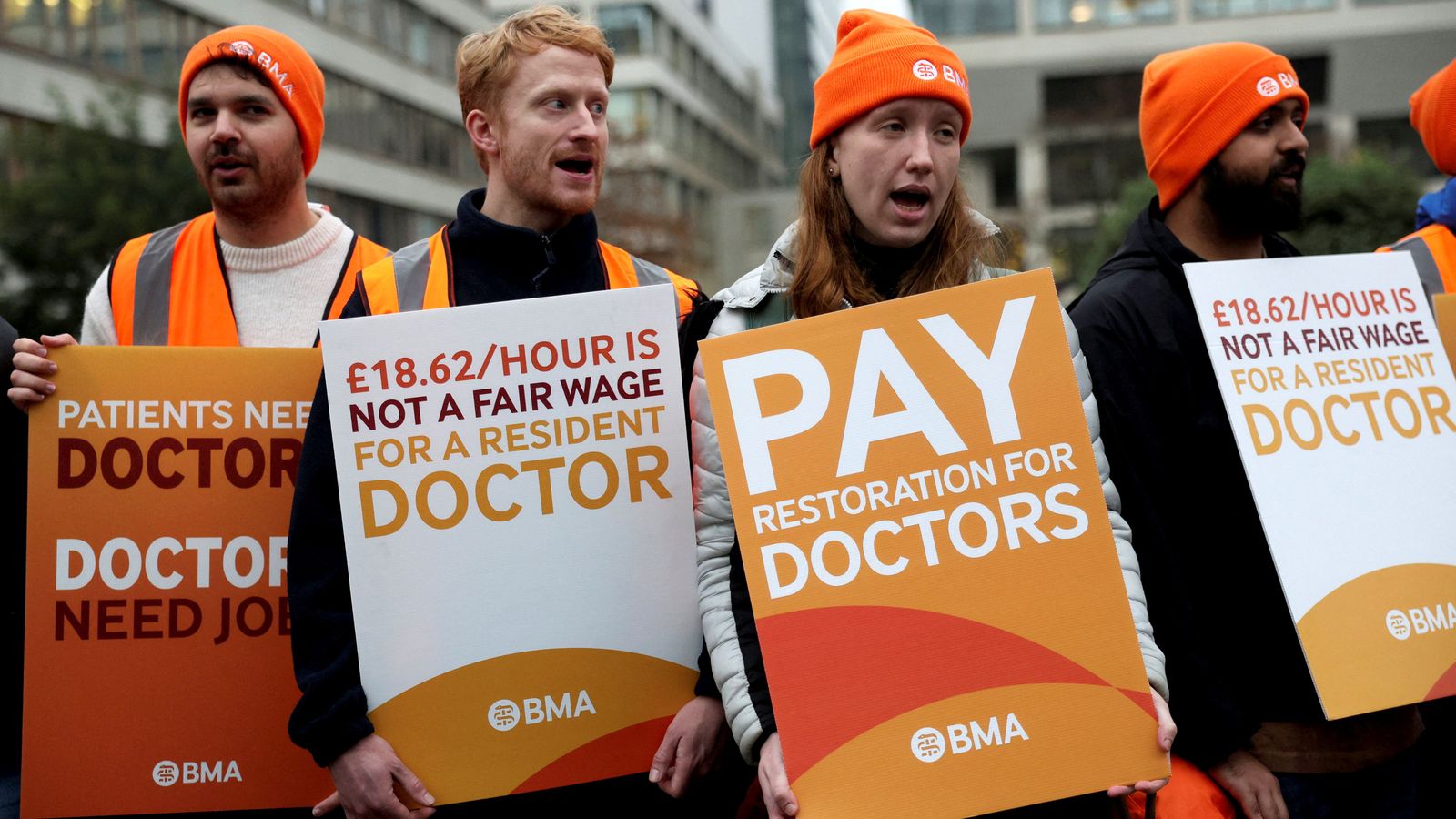
The clock is ticking on Starmer's ultimatum. If the strike isn't called off within the next 24 hours, the government is expected to formally withdraw the proposed jobs package. Meanwhile, the BMA is proceeding with a strike ballot for secondary care doctors, the results of which will determine if the industrial action escalates to a full-scale coordinated shutdown later this month.
At a Glance
- Starmer's Ultimatum: Doctors have hours to cancel strikes or lose a major new funding and jobs package.
- Escalation: Three medical groups are planning coordinated strikes, which would be a first in NHS history.
- Duration: A six-day strike has already been announced following the breakdown of recent talks.
- Government Stance: Downing Street accuses medics of 'walking away' from a fair deal; medics cite 'unliveable' wages.
- Patient Risk: NHS bosses warn of 'maximum harm' to patients and massive surgical delays.
FAQ
Why are UK doctors striking again?
Doctors are striking primarily over pay restoration, arguing their salaries have fallen significantly in real terms over the last 15 years, combined with poor working conditions and staffing shortages.
What is the 'jobs package' Keir Starmer mentioned?
It is a proposed multi-billion pound investment intended to create new medical roles, improve retention, and modernize NHS infrastructure, which the PM is now using as a bargaining chip.
Will these strikes affect emergency care?
While 'life and limb' cover is usually maintained, the NHS has warned that the scale of the proposed six-day and coordinated strikes will make maintaining basic safety extremely difficult.
How does this affect Australians?
The dispute often leads to more UK doctors migrating to Australia for better conditions, which affects medical recruitment and the availability of healthcare professionals in both countries.
Is there any sign of the strikes being cancelled?
Currently, no. The BMA remains firm in its demands, and the government’s recent threats appear to have deepened the divide rather than resolving it.