India's five-match ODI series against New Zealand moves to Wellington on Saturday, with the visitors looking to extend their advantage after a convincing opening victory. For Australian cricket followers, the contest offers an early look at two international sides building towards next year's ODI World Cup, with Virat Kohli's form and New Zealand's response providing the main talking points. India won the first match by five wickets using the Duckworth-Lewis-Stern method, but conditions at Hnry Stadium could make the second encounter a very different contest.
What the Tournament or Event Is
The five-match ODI series between India and New Zealand is part of both teams' preparation for the 2027 ICC Men's Cricket World Cup. One-day internationals, commonly called ODIs, give teams 50 overs per innings and require a balance between building partnerships, scoring quickly and taking wickets.
The series began in Auckland on November 4 and continues through November 15. India entered the second match with a 1-0 advantage after chasing New Zealand's 185 in a rain-affected opening encounter. The visitors won by five wickets under the Duckworth-Lewis-Stern system, which adjusts targets when weather interrupts a limited-overs match.
There is more at stake than the immediate series result. India are assessing their bowling options and batting combinations ahead of the World Cup, while New Zealand are trying to establish consistency despite injuries and squad rotation. The teams also have different challenges to manage as they move between New Zealand grounds with contrasting dimensions and playing conditions.
The Main Contenders
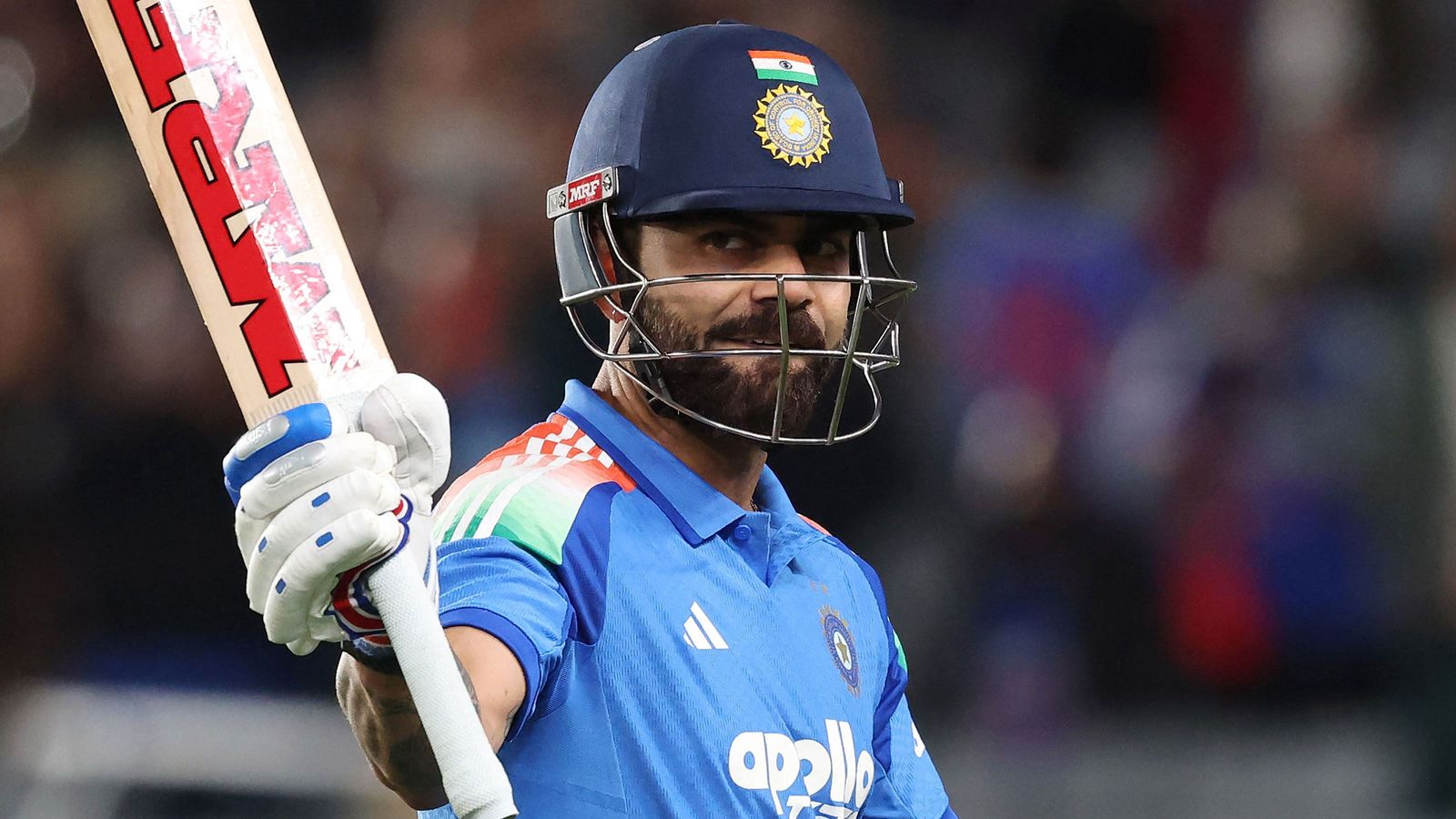
India start as the side with the early advantage. Their opening performance demonstrated the value of their experienced batting group and emerging pace attack. Kohli's 74 from 51 balls was the standout contribution, while captain Shubman Gill continues to lead a batting line-up that also includes Rohit Sharma, Shreyas Iyer, Axar Patel and KL Rahul.
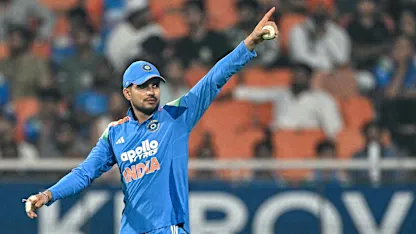
India's fast bowlers were particularly effective in Auckland. Arshdeep Singh claimed four wickets for 70 runs, while Gurnoor Brar took three for 44. Anshul Kamboj also made an impression in just his second ODI, finishing with two wickets and conceding only 22 runs from his 10 overs. His performance earned him the player-of-the-match award.
New Zealand have several players capable of changing the contest. Will Young is expected to open alongside Tim Seifert, with Daryl Mitchell, Tom Latham and Glenn Phillips providing important batting options. Captain Mitchell Santner will also be central to the team's efforts to recover from the opening defeat.
Seifert scored 38 in Auckland after replacing Devon Conway, who was ruled out of the series with concussion. New Zealand have also had to manage the availability of other important players, including Matt Henry and Rachin Ravindra.

Two individual match-ups deserve particular attention:
- Arshdeep Singh: His recent ODI opportunities have increased, with India examining his ability to deliver in different bowling situations ahead of the 2027 World Cup.
- Will Young: His disciplined batting at the top of the order could be important against India's pace attack, particularly in conditions offering movement off the surface.
The Key Storylines to Watch
Can New Zealand respond after their batting collapse? The hosts were dismissed for 185 in Auckland after struggling against India's short-pitched bowling. Their challenge in Wellington is to avoid another early loss of wickets and give their middle order a stronger platform.
Kohli's continuing influence: Kohli's opening-match performance reinforced his importance to India's ODI batting plans. He reached his 80th half-century in the format and produced an important contribution during the shortened chase. His presence also adds considerable attention to the series as India continue their World Cup preparations.
Former New Zealand wicketkeeper and commentator Ian Smith highlighted the difference Kohli made in Auckland, describing him as being head and shoulders above the other players. Smith also suggested that New Zealand could make the upcoming matches more competitive, particularly with conditions changing between venues.
The Wellington conditions: Eden Park's short straight boundaries created one set of challenges. Hnry Stadium presents almost the opposite arrangement, with shorter square boundaries and longer straight boundaries. That difference could influence where batters target their scoring and how bowlers position their deliveries.
Another developing theme is the advantage of chasing. Across six white-ball matches on India's New Zealand tour, the team batting first has won only once, according to the Fox Sports report. That pattern makes the toss particularly interesting, although it does not guarantee that the same outcome will continue.
Schedule and Format
The second ODI takes place on November 7, 2026, at Hnry Stadium in Wellington. The scheduled start is 3:00 pm local time in New Zealand, equivalent to 7:30 am Indian Standard Time.
The remaining series schedule is:
- November 7: Second ODI, Wellington.
- November 10: Third ODI, Hamilton.
- November 13: Fourth ODI, Mount Maunganui.
- November 15: Fifth ODI, Mount Maunganui.
All five matches are part of the same bilateral ODI series. India lead 1-0 following the opening fixture, leaving New Zealand needing a response to prevent the visitors from moving further ahead.
Rain and wind are forecast to influence the Wellington encounter. Showers could interrupt play, while the stadium's long straight boundaries and shorter square boundaries will require adjustments from both batting and bowling units.
What to Expect
India have the stronger recent result, but Wellington offers New Zealand an opportunity to exploit conditions that differ significantly from those in Auckland. The home side's fast bowlers will be looking for bounce and movement, while India's batters must adjust their shot selection to the boundary layout.
New Zealand fast bowler Blair Tickner has indicated that the team will use different bowling plans, particularly towards the end of an innings. He has also expressed interest in conditions offering extra bounce and movement, which could make India's top order work harder.
India's fielding preparation is another factor. Fielding coach Subhadeep Ghosh has introduced a lighter practice ball to help players judge movement through the air and improve their early positioning. Those skills are particularly relevant in New Zealand, where wind and changing conditions can make catching more difficult.
Team selection will also be worth watching. Conway's absence creates an opening for Seifert to continue at the top of New Zealand's order, while Matt Henry's return to availability could strengthen the bowling attack. For India, Mohammed Siraj has rejoined the squad and could compete for a place in the playing XI.
India will want another controlled performance, particularly from their pace attack, while New Zealand need a more substantial batting contribution. With rain potentially interrupting the match, adapting quickly could be just as important as individual performances.
Frequently Asked Questions
When is the New Zealand vs India second ODI in 2026?
The second ODI is scheduled for Saturday, November 7, 2026. The match begins at 3:00 pm local time in Wellington, which is 7:30 am Indian Standard Time.
Where is the second NZ vs IND ODI being played?
The match takes place at Hnry Stadium in Wellington, New Zealand. Its shorter square boundaries and longer straight boundaries create different playing conditions from Auckland's Eden Park.
Who won the first India vs New Zealand ODI?
India won the opening ODI by five wickets in Auckland on November 4. New Zealand were dismissed for 185, and India reached their revised target of 143 under the Duckworth-Lewis-Stern method.
How did Virat Kohli perform in the first ODI?
Kohli scored 74 runs from 51 deliveries, helping India complete their rain-affected chase. The innings included his 80th half-century in one-day internationals.
Why is Devon Conway missing from the New Zealand team?
Conway has been ruled out of the ODI series after suffering concussion in a collision with Matt Henry during training before the opening match. Tim Seifert replaced him as an opener in Auckland, while Nick Kelly was added to New Zealand's squad.
What is the remaining India vs New Zealand ODI schedule?
The third ODI is scheduled for November 10 in Hamilton, followed by matches on November 13 and November 15 in Mount Maunganui. The five-match series concludes with the final fixture on November 15.