
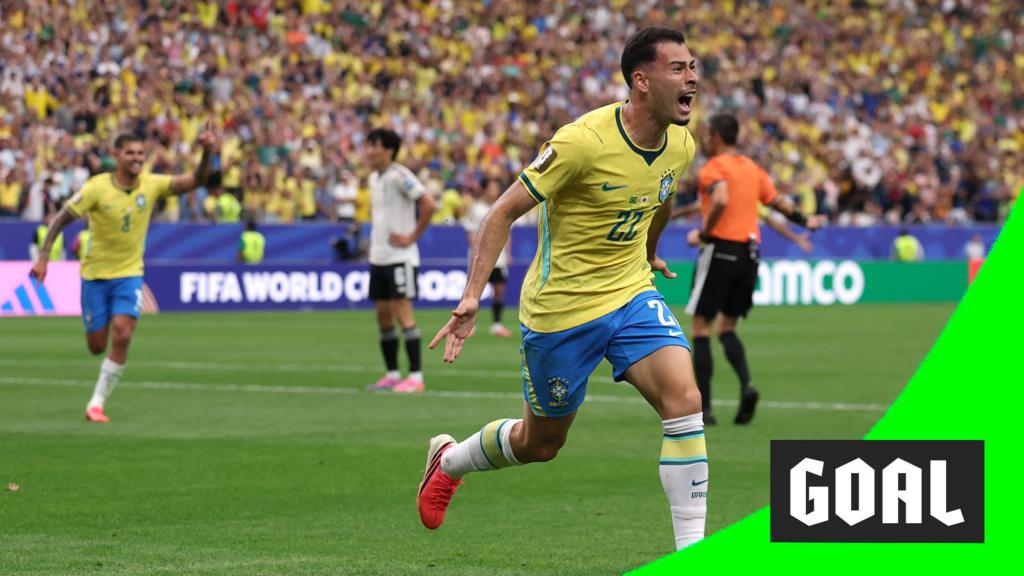
Houston was tense, noisy and suddenly full of belief for Japan. White shirts were chasing, Brazil were wobbling, and Kaishū Sano’s first-half strike had the five-time champions staring at a brutally early World Cup exit. Then the match flipped after half-time, and Gabriel Martinelli’s 95th-minute finish gave Brazil a 2-1 win and a place in the Round of 16.
How Events Unfolded
Japan did not approach Brazil like a side happy merely to be there. They were compact without the ball, quick through midfield, and disciplined enough to keep Vinícius Júnior quiet for long spells. The right-sided work of Takehiro Tomiyasu and Ritsu Doan helped shut down the channel where Vinícius usually causes damage.
The breakthrough came in the 29th minute. Danilo’s attempt to move play left was intercepted by Kaishū Sano, who drove past Casemiro and hit a low shot from just outside the box. It beat Alisson and put Japan 1-0 up at half-time.
Brazil looked old and flat before the break, with five starters aged over 30 and little rhythm in midfield. Carlo Ancelotti changed the game after half-time by bringing on Endrick and switching to a 4-2-3-1 shape, turning Brazil’s attack into a wave of crosses and pressure.
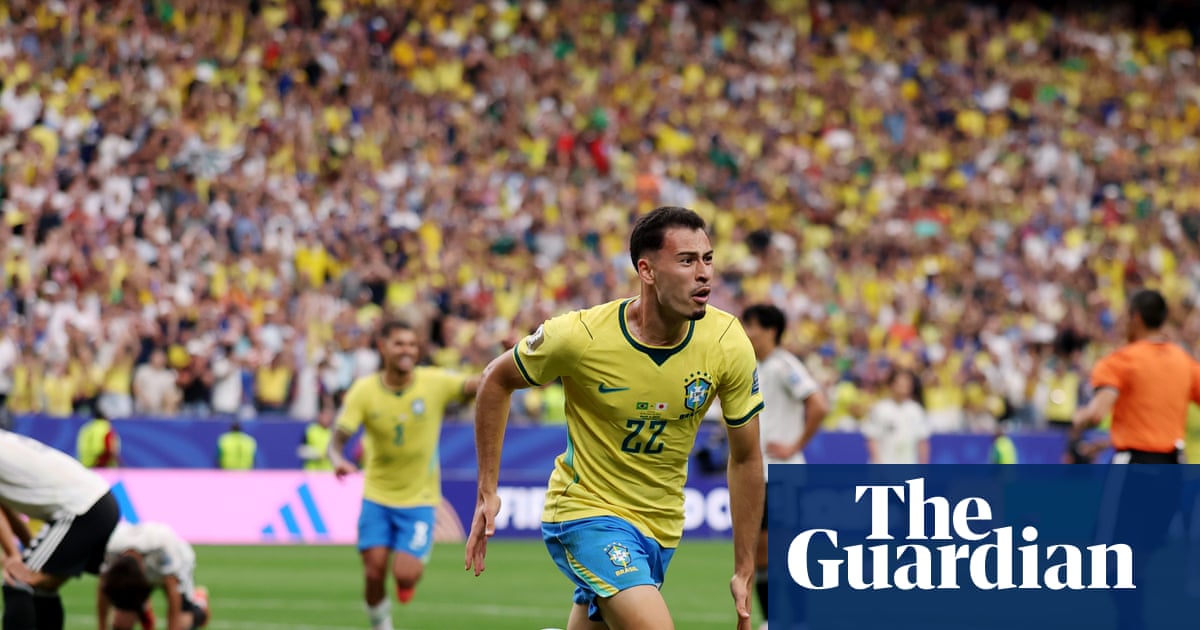
Casemiro equalised in the 56th minute with a powerful header from Gabriel Magalhães’s chipped ball. Brazil kept pushing, and in the 95th minute Ao Tanaka was dispossessed near his own box. Bruno Guimarães waited, slipped the ball left, and Martinelli fired across Zion Suzuki, with the ball going in off the post. The match report from The Guardian captured the wider pattern: Brazil struggled, adjusted, then survived.
Critical Details
The result keeps Brazil’s World Cup record intact in a very specific way: the Seleção have never failed to make the last 16. That made the first half so alarming. Japan were not stealing moments; they were sharper, faster and more imaginative for long stretches.
The tactical cause was clear. Japan’s deep, compact shape frustrated Brazil early, but Ancelotti’s half-time change stretched the defence and forced repeated aerial duels. Bruno Guimarães had a header saved in the 52nd minute, Casemiro had an effort cleared off the line, and Suzuki tipped Vinícius Júnior’s toe-poked shot onto the post.
- Round of 32
- The first knockout round at the expanded 2026 FIFA World Cup, introduced after the tournament grew to 48 teams.
- Stoppage time
- Extra minutes added at the end of a half to make up for delays such as substitutions, injuries and breaks in play.
- Knockout match
- A match where the loser is eliminated from the tournament.
For Australian viewers following overnight and early-morning coverage, the timing added to the drama. The ABC live blog recorded Brazil’s full-time escape just after 5am AEST, while PCMag Australia noted the match was available in Australia through SBS as part of its global viewing guide.
Reactions & Responses
Japan’s pain was immediate. The ABC live coverage described players in white doubled over across the pitch, with Ao Tanaka consoled by both teammates and opponents after the turnover that led to the winner.
Brazil’s reaction was pure relief. They had been seconds from extra time after a poor first half, but the second half showed the attacking quality that still makes them dangerous. Endrick gave the front line urgency, Vinícius began finding pockets of space, and Martinelli’s finish turned a nervous escape into a knockout victory.
Japan manager Hajime Moriyasu had spoken before the tournament about Japan thinking of winning it, according to the match report. That ambition did not produce the country’s first World Cup knockout victory, but it did frame this performance properly: Japan pushed Brazil harder than many expected and did not collapse.
Putting It in Perspective
This was Japan’s fifth World Cup exit at the first knockout hurdle after previous Round of 16 defeats to Turkey in 2002, Paraguay in 2006, Belgium in 2018 and Croatia in 2022. The pattern hurts because the performances keep improving, yet the breakthrough win still has not arrived.

For Brazil, the consequences are more complicated than the scoreboard. The win puts them through, but the first half exposed real issues in midfield and tempo. Against stronger knockout opponents, another slow start could be far more expensive.
The expanded 2026 World Cup adds an extra layer. With 48 teams and 104 matches, the champion must now win five knockout games instead of four. Brazil cleared the first of those by the skin of their teeth, but the schedule only gets heavier.
Looking Ahead
Brazil will face the winner of Côte d’Ivoire against Norway in the Round of 16. CNN reported that match is scheduled for 4pm ET on July 5 at MetLife Stadium in New Jersey.
Nine’s live coverage also mapped the wider bracket pressure, noting Brazil could face Mexico or England in the quarter-finals if they advance again. Australia were mentioned as a possible later opponent only in the most optimistic bracket scenario, but for local fans, Brazil’s survival keeps one of the tournament’s biggest storylines alive.
FAQ
Who scored Brazil’s winner against Japan?
Gabriel Martinelli scored Brazil’s winner in the 95th minute, finishing a move created after Japan lost the ball near their own box.
What was the Brazil vs Japan final score?
Brazil beat Japan 2-1 in Houston in the 2026 FIFA World Cup knockout stage.
Who scored for Japan against Brazil?
Kaishū Sano scored for Japan in the 29th minute with a low shot from just outside the box.
Why was Japan’s loss so painful?
Japan led at half-time and were close to forcing extra time, but the defeat continued their wait for a first World Cup knockout-round win.
Who do Brazil play next?
Brazil will play the winner of Côte d’Ivoire against Norway in the Round of 16 on July 5 at MetLife Stadium.