Why is Brad Hill’s AFL name tied to a bigger Indigenous football push?
Brad Hill’s name keeps surfacing around this year’s AFL conversation for a reason that goes well beyond stats or ladder positions. As the 2026 Sir Doug Nicholls Round rolls out across the country, the league is confronting a deeper issue: Indigenous player numbers are slipping at the elite level despite the game’s long cultural connection to First Nations communities.
That tension is shaping everything from club guernsey launches to new funding programs and renewed calls for a Darwin-based AFL side. For fans in Australia, especially those following players like Hill who have become symbols of Indigenous excellence in the modern era, this moment feels bigger than footy. It’s a bit of a line-in-the-sand moment.
Meanwhile, clubs and league officials are trying to answer a difficult question: how do you celebrate Indigenous contribution while also fixing the barriers pushing young players away from the game?

What We Know So Far
The AFL’s Sir Doug Nicholls Round has grown from a symbolic fixture into one of the competition’s defining annual events. This year’s edition carries extra weight because league officials are openly acknowledging concern about declining Indigenous participation pathways.
The AFL has now launched a dedicated fund aimed at recruiting and retaining more Indigenous Australian players. The move comes amid rising concern about racism, relocation pressures and the difficulty many regional and remote players face when transitioning into elite football systems. The league believes additional support programs, mentoring and community investment are needed to reverse the trend.
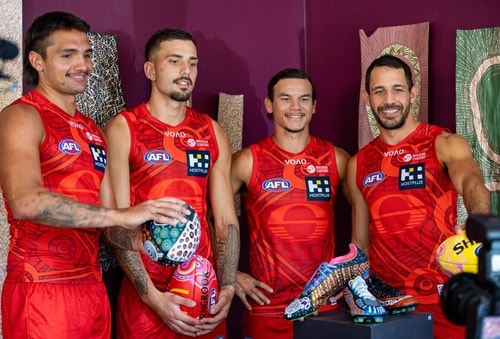
Several clubs have used the round to reinforce cultural ties. West Coast Eagles midfielder Tim Kelly spoke about carrying pride into the Indigenous celebration round, while GWS highlighted deep family and community connections linked to Sir Doug Nicholls himself. Essendon also unveiled cultural storytelling through guernsey artwork and media events.
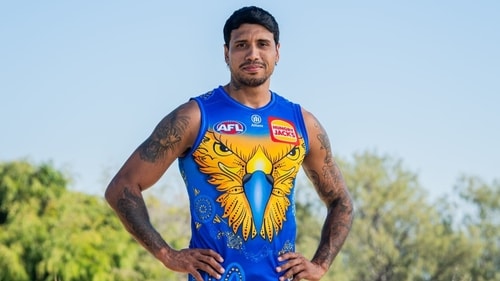
What’s interesting is how often the discussion keeps circling back to players like Brad Hill. The St Kilda winger has long represented elite Indigenous talent in the AFL system, and his profile continues to resonate during rounds celebrating First Nations contribution. Hill’s speed, longevity and premiership pedigree have made him part of a broader conversation about visibility and inspiration for younger Indigenous footballers.
There is also growing momentum behind the idea of a Darwin AFL team. Gold Coast Suns player Joel Jeffrey argued a Northern Territory-based club could dramatically improve Indigenous recruitment and retention because players would stay closer to culture, family and country. Supporters believe it could reshape talent development pathways for remote communities.
- Sir Doug Nicholls Round
- An annual AFL celebration recognising the contribution of Aboriginal and Torres Strait Islander peoples to Australian football.
- Indigenous retention
- The AFL term used to describe keeping Indigenous players connected and supported within elite football systems.
- Darwin AFL expansion
- A proposed future AFL club based in the Northern Territory aimed at broadening the game’s national footprint.
The backdrop matters here. Indigenous players have historically been hugely influential in AFL culture and style, from dazzling creativity to leadership across clubs. But recent figures have triggered concern inside football circles that pathways are narrowing instead of expanding.
Voices & Opinions
We want to ensure Indigenous players feel supported not just getting into the system, but staying in it.
A Darwin team could help keep Indigenous players connected to home and culture.
Players and clubs are also using the week to emphasise pride rather than just concern. Tim Kelly described the round as an opportunity to celebrate identity and family history, while community football organisations say grassroots programs remain critical for keeping young Indigenous athletes engaged.
Here’s the thing. Fans are no longer viewing Sir Doug Nicholls Round as just themed jumpers and pre-game ceremonies. There’s a growing expectation the AFL backs symbolism with long-term investment.
Local Impact
For Australian footy supporters, especially in WA, SA and the Northern Territory, the debate lands close to home. Indigenous players are woven into local football culture, junior participation and community identity.
If the AFL cannot strengthen pathways, regional clubs could eventually feel the effects through shrinking talent pipelines and fewer culturally connected programs. On the flip side, a stronger Indigenous recruitment strategy could create more opportunities for remote communities, youth academies and local coaches.
You might be wondering why this matters beyond football. In many communities, AFL pathways intersect with education, mentoring and employment outcomes. Community leaders argue stronger Indigenous participation in elite sport often creates ripple effects well beyond the scoreboard.
Fair dinkum, the conversation has shifted quickly from celebration to accountability.
Readers wanting details about the Indigenous celebration fixtures can view the full 2026 Sir Doug Nicholls Round schedule here.
Coming Up
The Sir Doug Nicholls Round continues across the AFL this week, with clubs unveiling cultural guernseys, ceremonies and community initiatives. The AFL is also expected to release more details about how its Indigenous recruitment and retention funding will operate.
Discussion around a Darwin expansion side is likely to intensify as league executives continue evaluating the AFL’s future national footprint. Community football organisations are expected to push hard for long-term commitments rather than one-off funding announcements.
At a Glance
- The AFL is increasing focus on Indigenous recruitment and retention programs.
- Brad Hill’s profile is part of a broader conversation around Indigenous excellence in AFL.
- Sir Doug Nicholls Round remains one of the league’s most culturally significant events.
- Calls for a Darwin-based AFL team are gaining fresh momentum.
- League officials are confronting concerns about declining Indigenous player numbers.
- Clubs across Australia are using Indigenous guernseys to tell local cultural stories.
FAQ
Why is Brad Hill being discussed during Sir Doug Nicholls Round?
Brad Hill is one of the AFL’s most recognisable Indigenous stars, so his name often comes up in conversations about representation and Indigenous pathways in football.
What is the AFL’s new Indigenous fund?
The AFL has launched funding aimed at helping recruit, support and retain more Indigenous players within elite football systems.
What is Sir Doug Nicholls Round?
It is the AFL’s annual celebration recognising Aboriginal and Torres Strait Islander contribution to Australian football and culture.
Why are people talking about a Darwin AFL team?
Supporters believe a Northern Territory club could strengthen Indigenous participation by keeping players connected to home and community.
How could this affect Australian football?
It may influence future talent pathways, league expansion plans and how clubs support Indigenous athletes.
Where can fans follow the latest updates?
Fans can follow official AFL and club channels for fixture details, community initiatives and upcoming announcements.

Resources
Sources and references cited in this article.

![Apple Watch Series 11 [GPS 42mm] Smartwatch with Rose Gold Aluminum Case with Light Blush Sport Band - S/M. Sleep Score, Fitness Tracker, Health Monitoring, Always-On Display, Water Resistant](https://m.media-amazon.com/images/I/6110Jv9wqeL._AC_SL1500_.jpg)