Why is DC vs GT suddenly one of IPL 2026’s most intriguing clashes?
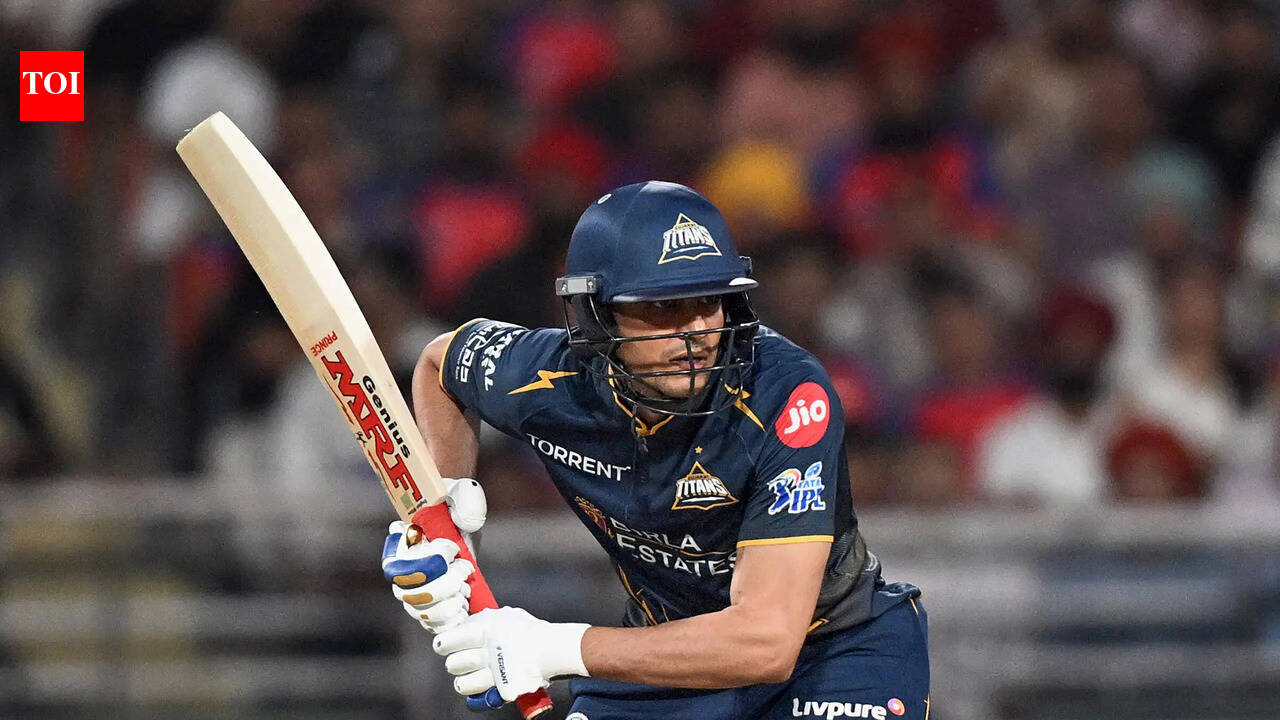
The return of Shubman Gill from injury has flipped the script just before a ball was bowled. Add in a bold toss call from Delhi Capitals and a hint of unpredictable weather, and suddenly this isn’t just another fixture — it’s a proper contest with layers.
Delhi opted to bowl first, backing their attack under overcast skies. Meanwhile, Gujarat Titans are banking on Gill’s comeback to steady their top order. If you’re following this closely, you’ll know — these small decisions often decide big games.
What We Know So Far
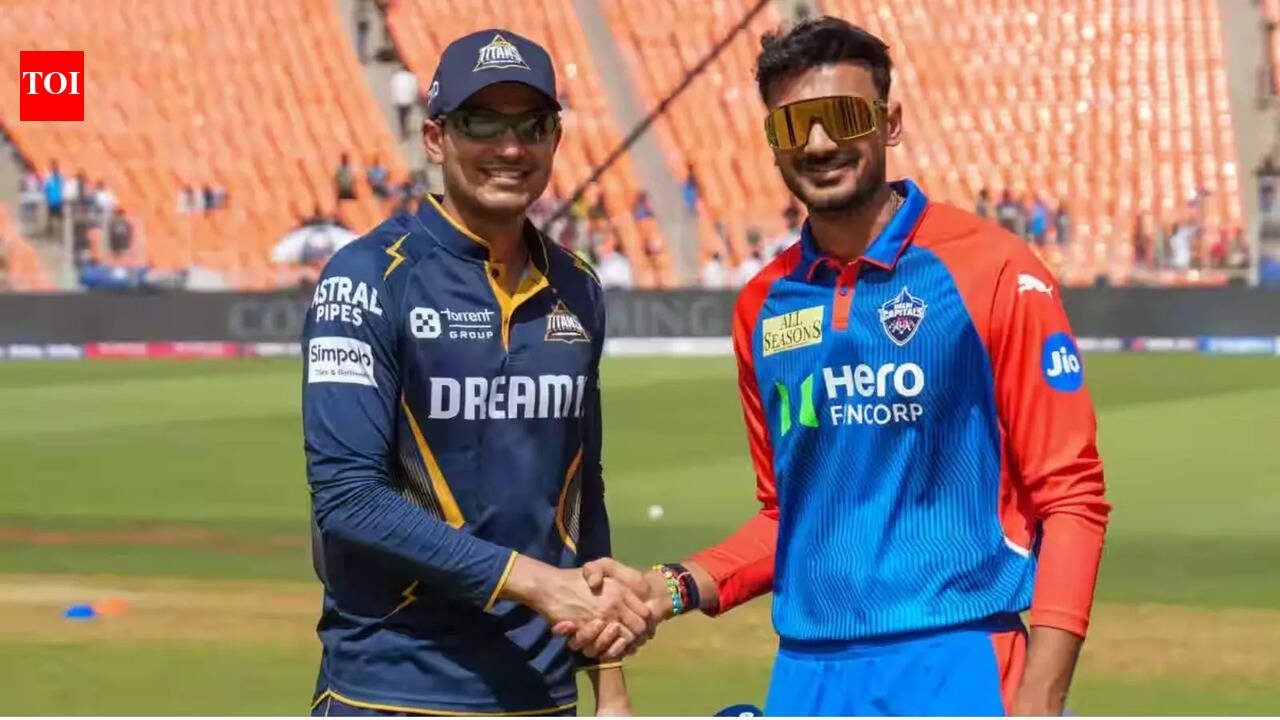
Delhi Capitals skipper Axar Patel won the toss and chose to bowl — a decision that raised a few eyebrows but makes sense given the conditions. Early moisture and a slightly cloudy Delhi evening could offer swing upfront, and DC are clearly looking to cash in.
Gujarat Titans, on the other hand, walk in with a boost: Shubman Gill is back. After missing time due to injury, his return plugs a significant gap at the top. For GT, that’s not just about runs — it’s about stability and tempo-setting.
There’s also been chatter around team balance. One former India cricketer suggested a younger option at No. 4 rather than relying on Glenn Phillips, signalling that GT’s middle order is still a work in progress. It’s a reminder that even strong squads have their soft spots.

As for key players, the spotlight isn’t just on Gill. KL Rahul, Kuldeep Yadav, and Axar himself are all expected to play decisive roles. Matches like this often hinge on one standout performance — a spell, a cameo, or a moment of brilliance.
And then there’s the weather. Rain has been hovering as a possible spoiler. Even a short interruption can change strategies dramatically, especially in a format where momentum swings faster than a Melbourne storm front.
Reactions & Responses
Team camps have kept things measured, but the subtext is clear: both sides see this as a must-win scenario early in the tournament.
Gill’s return adds a lot of confidence to the top order.
Meanwhile, discussions around batting order tweaks continue to bubble in the background, with analysts questioning whether GT’s current setup maximises their firepower.
On the Ground
For Australian fans tuning in, this match might feel a world away, but it matters more than you think. The IPL is often a proving ground for players heading into international tours — including those involving Australia later this year.
If you’re watching from Sydney or Perth, keep an eye on how bowlers handle early conditions. It’s not unlike a day-night fixture back home — tricky lights, a bit of movement, and plenty of pressure.
Here’s the thing: games like this are rarely decided on paper. It’s about who adapts quicker. And if you’ve followed enough cricket, you’ll know — momentum can flip in a heartbeat.
Coming Up
The immediate focus is how GT handle the powerplay without early damage. If they survive that phase, expect a competitive total. For DC, the next step is converting early breakthroughs into sustained pressure.
Looking ahead, both teams face a tight schedule. Results here could set the tone for their campaigns — especially in a league where net run rate often becomes the silent decider.
At a Glance
- Delhi Capitals won the toss and chose to bowl first
- Shubman Gill returns from injury for Gujarat Titans
- Weather remains a potential disruptor
- Key players include KL Rahul, Kuldeep Yadav, and Axar Patel
- Middle-order balance remains a concern for GT
FAQ
Why did DC choose to bowl first?
Conditions in Delhi suggested early swing, making bowling first a tactical call.
Is Shubman Gill fully fit?
Yes, he returned to the playing XI after recovering from injury.
Could rain affect the match?
There is a chance of interruptions, which could influence strategies and scoring.
Who are the key players to watch?
Gill, KL Rahul, Kuldeep Yadav, and Axar Patel are expected to play major roles.
Why is this match important early in the season?
Early wins help build momentum and improve standings in a tightly contested league.

Resources
Sources and references cited in this article.