Why is Phil Gould’s Galvin call shaking up the Bulldogs?
The noise around Canterbury has gone from a low rumble to full-on finals-week chaos — and we’re still months away from September. Fans woke up to one of the biggest figures in rugby league openly questioning whether prized recruit Lachlan Galvin is even a long-term halfback, all while fresh debate swirls around the exits of Reed Mahoney and Toby Sexton.
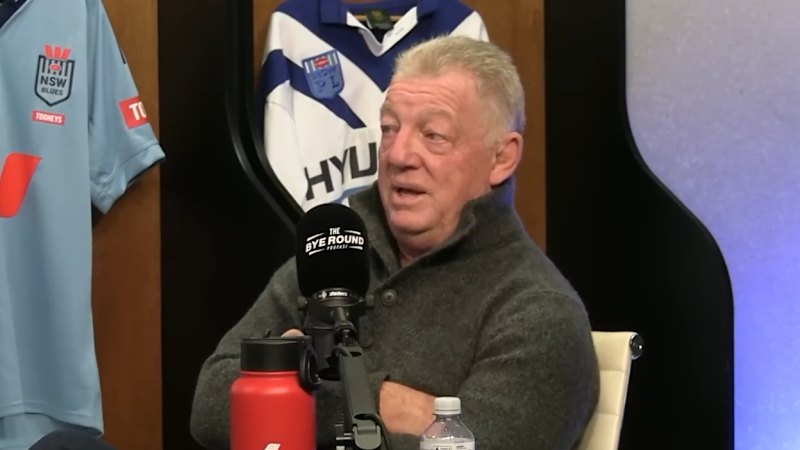
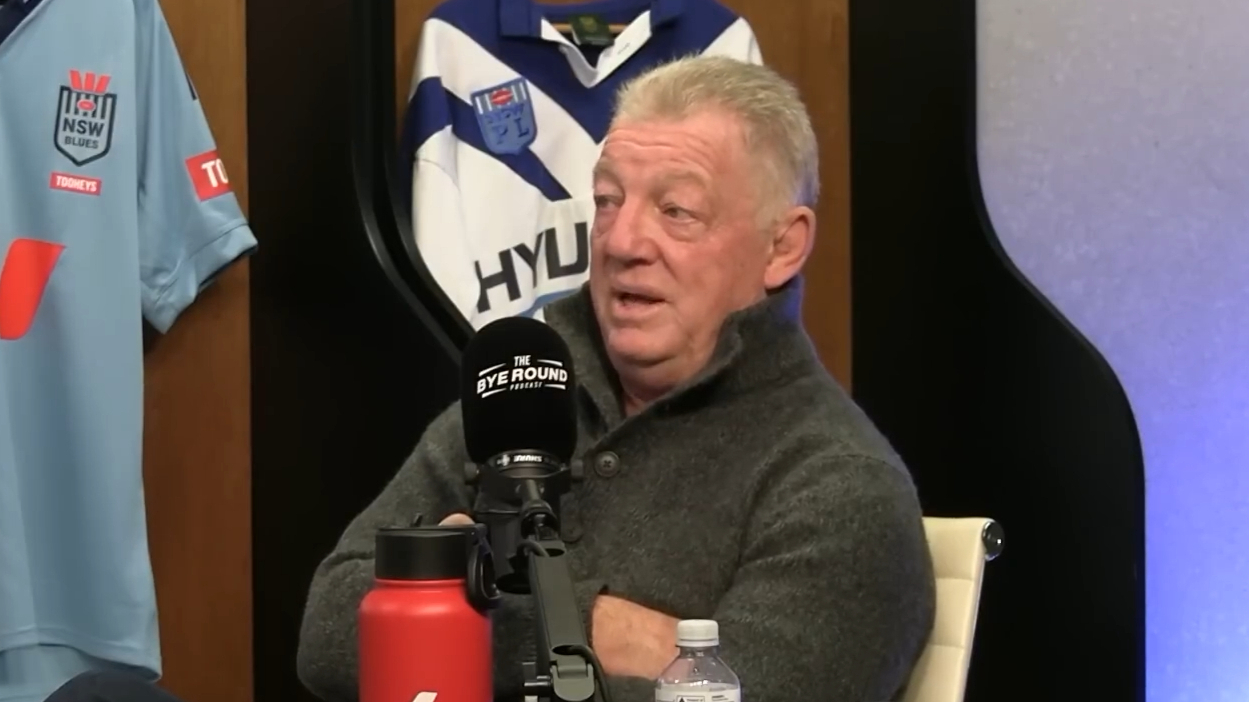
Phil Gould didn’t just pour fuel on the fire. He practically grabbed the hose and pointed it straight at Belmore. His comments have triggered a fierce discussion about the Bulldogs’ future spine, Matt Burton’s role, and whether the club’s rebuild is about to take another sharp turn.

How Events Unfolded
The drama kicked off when Gould publicly declared he does not see Lachlan Galvin as a permanent No.7. That’s a massive statement considering Canterbury moved aggressively to bring the teenage talent into the club’s long-term plans.
Speaking across multiple media appearances, Gould suggested Galvin’s strengths may suit another role better, hinting the youngster could evolve into a running playmaker rather than a traditional organising halfback. For Bulldogs supporters, that instantly raised another question: if Galvin isn’t the seven, then who is?
Meanwhile, scrutiny intensified around the departures and uncertain futures of key spine players. Gould pushed back hard on claims that Reed Mahoney and Toby Sexton were squeezed out because of Galvin’s arrival. According to him, those roster decisions were already moving independently of the teenager’s signing.
Still, plenty of fans aren’t buying it. Fair dinkum, it’s hard to ignore the timing. Social media lit up with theories about a major squad reshuffle behind the scenes, especially after reports emerged that Matt Burton’s own future position could eventually change as well.
Under the Surface
What’s interesting is this isn’t really just about Galvin. It’s about Canterbury trying to solve a problem that has haunted the club since the post-2014 decline: finding a stable elite spine.
The Bulldogs have churned through combinations for years. Kyle Flanagan, Jake Averillo, Matt Burton, Toby Sexton — all have spent time steering the side around the park. Some showed flashes. None fully locked down the role the way Nathan Cleary or Daly Cherry-Evans have for their clubs.
That context matters because Galvin arrived carrying enormous expectations after his breakout rise. The teenager has been viewed by many scouts as one of the NRL’s most naturally gifted young playmakers. But Gould’s comments suggest Canterbury may be thinking less about traditional positions and more about building a flexible spine around attacking instincts.
If you’re following the modern NRL closely, you’ve probably noticed more clubs heading this way. Ball-playing lock forwards, roaming five-eighths and hybrid fullbacks are reshaping how teams attack. The old-school “pass-first halfback” model isn’t disappearing, but it’s definitely evolving.
- Halfback
- The chief organiser in an NRL side, usually responsible for kicking and directing attack.
- Five-eighth
- A creative playmaker who often runs the ball more and supports attacking structure.
- Spine
- The four key attacking positions: fullback, halfback, five-eighth and hooker.
And for Australian fans? This matters beyond Belmore. The Bulldogs are one of the NRL’s biggest brands. When Canterbury shifts direction, the entire competition watches.
Voices & Opinions
Gould’s remarks immediately divided league circles.
I don’t think he’s a long-term No.7.
Some analysts backed Gould’s view, arguing Galvin’s running game and creativity may actually flourish outside the traditional halfback structure. Others believe the comments risk piling unnecessary pressure onto a teenager still developing his game.
Critics also questioned whether the Bulldogs are changing course too quickly. One commentator described Galvin as “a halfback on work experience,” suggesting Canterbury could be gambling too heavily on potential rather than proven consistency.
Sexton and Mahoney didn’t leave because of Galvin.
That response was aimed directly at growing fan concern that the club’s roster management has become reactive rather than strategic.
Meanwhile, supporters online remain split. Some see Gould as a master planner willing to think three years ahead. Others reckon the club risks unsettling young talent before they’ve even settled in. That’s footy in Sydney for you.
Putting It in Perspective
The ripple effects could stretch well beyond one season. If Galvin eventually shifts away from halfback, Canterbury may still need to recruit or develop another elite organiser. That changes recruitment plans, salary cap strategy and even the way Burton is used.
There’s also the pressure factor. Young stars in rugby league already carry massive expectations, especially when moving clubs. Publicly debating a teenager’s ideal position before he’s fully established? That’s unusual territory.
For Bulldogs fans, though, there’s another side to this. The club finally looks competitive again after years in the wilderness. Attendance is rising, belief has returned and the roster suddenly feels packed with upside. Gould may simply be trying to shape expectations early rather than oversell a quick fix.
Either way, the conversation has already shifted. This isn’t just “Can Galvin play?” It’s now “What exactly are the Bulldogs building?”
Looking Ahead
Canterbury officials are expected to continue backing Galvin publicly while refining their long-term spine combinations behind closed doors. There’s no indication the club is cooling on the teenager altogether — far from it.
The bigger watch will be how coach Cameron Ciraldo balances development with immediate results. Finals pressure changes everything in Sydney. If combinations struggle, every Gould comment will get replayed another hundred times.
And if Galvin thrives in a different role? Suddenly this whole debate looks less controversial and more visionary.
One thing’s certain: the Bulldogs storyline isn’t slowing down anytime soon.
FAQ
Why did Phil Gould say Lachlan Galvin is not a long-term No.7?
Gould believes Galvin’s strengths may suit a different playmaking role rather than a traditional organising halfback position.
Is Lachlan Galvin leaving the Bulldogs?
No. There is no indication Galvin is leaving Canterbury. The debate is about his best position.
Did Toby Sexton and Reed Mahoney leave because of Galvin?
Gould denied that claim and said those roster decisions were unrelated to Galvin’s arrival.
What position could Galvin play instead?
Some analysts believe he may eventually become a five-eighth or roaming attacking playmaker.
Why are Bulldogs fans reacting so strongly?
The club has spent years searching for stability in key positions, so any uncertainty around the spine creates major discussion.
How does this affect the Bulldogs in 2026?
It could influence recruitment plans, team structure and how Canterbury builds its attack around Matt Burton and Galvin.

Resources
Sources and references cited in this article.

![Apple Watch Series 11 [GPS 42mm] Smartwatch with Rose Gold Aluminum Case with Light Blush Sport Band - S/M. Sleep Score, Fitness Tracker, Health Monitoring, Always-On Display, Water Resistant](https://m.media-amazon.com/images/I/6110Jv9wqeL._AC_SL1500_.jpg)