

Australians working in creative fields are facing a familiar question with a new twist: where does artificial intelligence fit into human creativity? From universities to art studios, the tension is growing as AI tools become more capable—and more controversial. The core issue isn’t just about technology. It’s about value, authorship, and what makes creativity truly human.
Across industries, people are testing AI’s limits while also pushing back. And here’s the thing—while the tools are getting sharper, public trust isn’t always keeping pace.

The Backstory
Artificial intelligence has quietly moved from niche research labs into everyday creative workflows. Tools that generate images, write stories, or compose music are now widely accessible. For many, it’s opened doors—speeding up production and lowering barriers for beginners.
But there’s another side to it. Studies show that people consistently rate AI-generated creative work as less valuable, even when they can’t tell the difference at first glance. That gap between capability and perception is shaping how industries respond.
Meanwhile, creative institutions—from art schools to publishing houses—are scrambling to adapt. Some embrace AI as a tool. Others see it as a threat to originality and craft. As one might say, it’s a bit of a double-edged sword.
Here's What Happened
In recent months, art schools around the world have found themselves divided. Some programs are integrating AI into their curriculum, teaching students how to collaborate with machines. Others are drawing firm lines, banning AI-generated work altogether.
This divide isn’t just academic. It reflects a broader shift in how creativity is defined. If a machine can produce a painting or a story in seconds, what role does the human artist play?

Research into creative output adds another layer. Humans consistently rank higher when it comes to originality and emotional depth, especially when AI operates without guidance. In other words, the machine might be fast—but it’s not necessarily meaningful.
At the same time, commentary from public figures has added fuel to the discussion. Actor Ethan Hawke recently argued that imperfections are what make human art resonate. That idea has struck a chord, particularly among artists worried about being replaced.
What People Are Saying
Reactions are far from uniform. Some creatives see AI as a helpful assistant—something that can handle repetitive tasks and free up time for deeper work. Others worry it’s eroding the value of creative labour.
Imperfections are what make art human and meaningful.
Educators are also split. In some classrooms, AI is treated as a tool students must learn to master. In others, it’s seen as undermining the very skills those courses aim to build.
And among audiences? There’s still a healthy dose of scepticism. People tend to trust human-made content more, even when AI-generated work meets technical standards.
The Bigger Picture
For Australians, the implications are real. The creative sector—spanning film, design, advertising and digital media—is a significant part of the economy. If AI reshapes how work is produced and valued, it could affect jobs, wages, and training pathways.
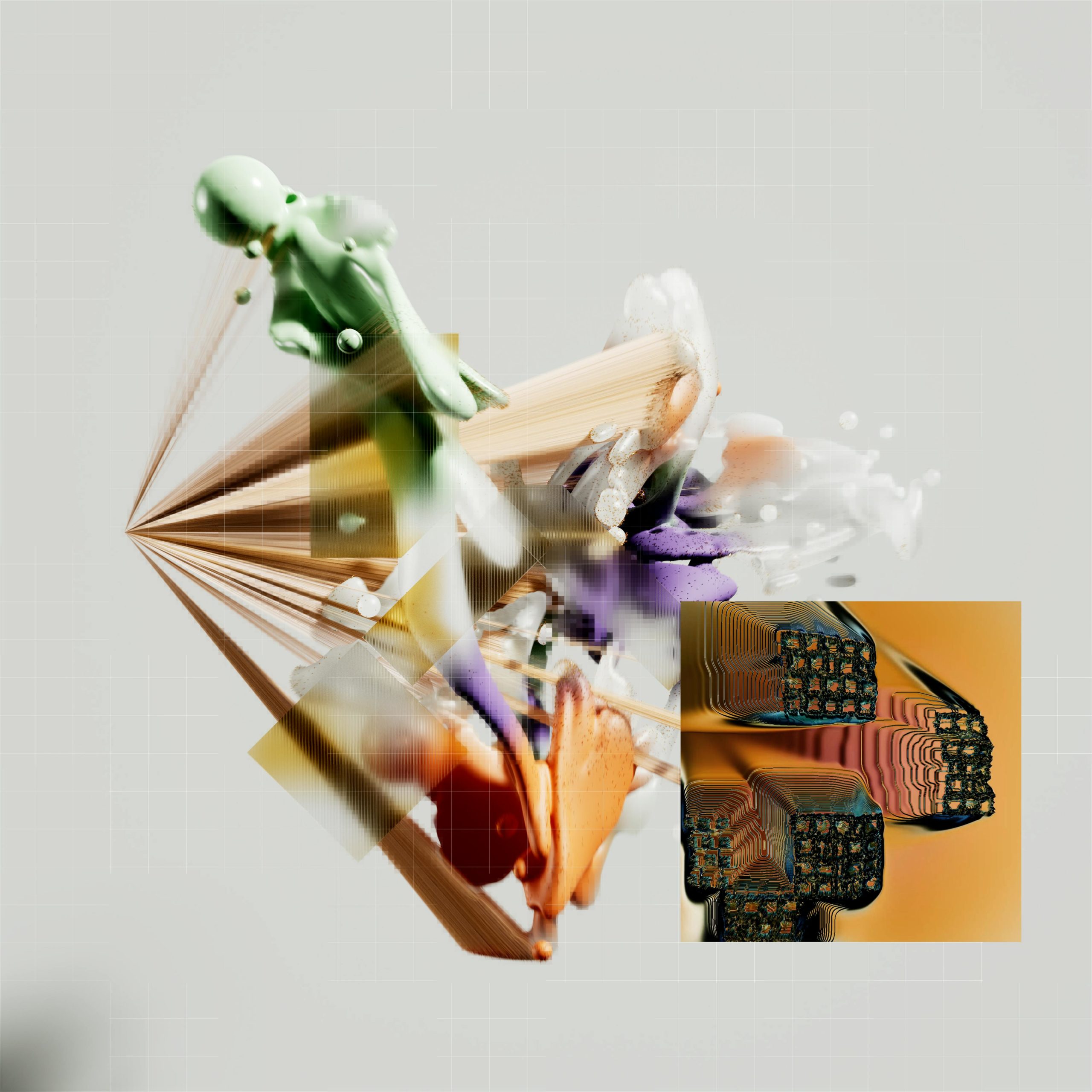
There’s also a cultural angle. Australian storytelling—whether in film, literature or Indigenous art—relies heavily on lived experience and identity. Can AI replicate that? Many argue it can’t, at least not in a way that feels authentic.
Still, businesses are moving ahead. AI-generated content is cheaper and faster, which makes it attractive in competitive markets. That puts pressure on human creators to prove their unique value.
You might be wondering where this leaves everyday consumers. In short: more content, but not always more meaning. And that’s where the real tension lies.
The Road Ahead
The debate isn’t going anywhere. Expect more institutions to set clear policies around AI use, particularly in education and publishing.
At the same time, hybrid approaches—where humans and AI collaborate—are likely to become the norm. As the saying goes, you can’t put the genie back in the bottle.
FAQ
Why are people sceptical about AI-generated creativity?
Many believe AI lacks genuine emotion and lived experience, making its output feel less authentic.
Can AI replace human artists?
Not entirely. While AI can generate content quickly, human creativity still leads in originality and emotional depth.
How is this affecting students in creative fields?
Some schools are teaching AI as a tool, while others restrict its use, creating mixed learning environments.
What does this mean for jobs in Australia?
Creative roles may evolve, with more emphasis on idea generation and less on repetitive production tasks.
Is AI art legally or ethically controversial?
Yes. Questions around copyright, authorship, and fair use are still being debated globally.