
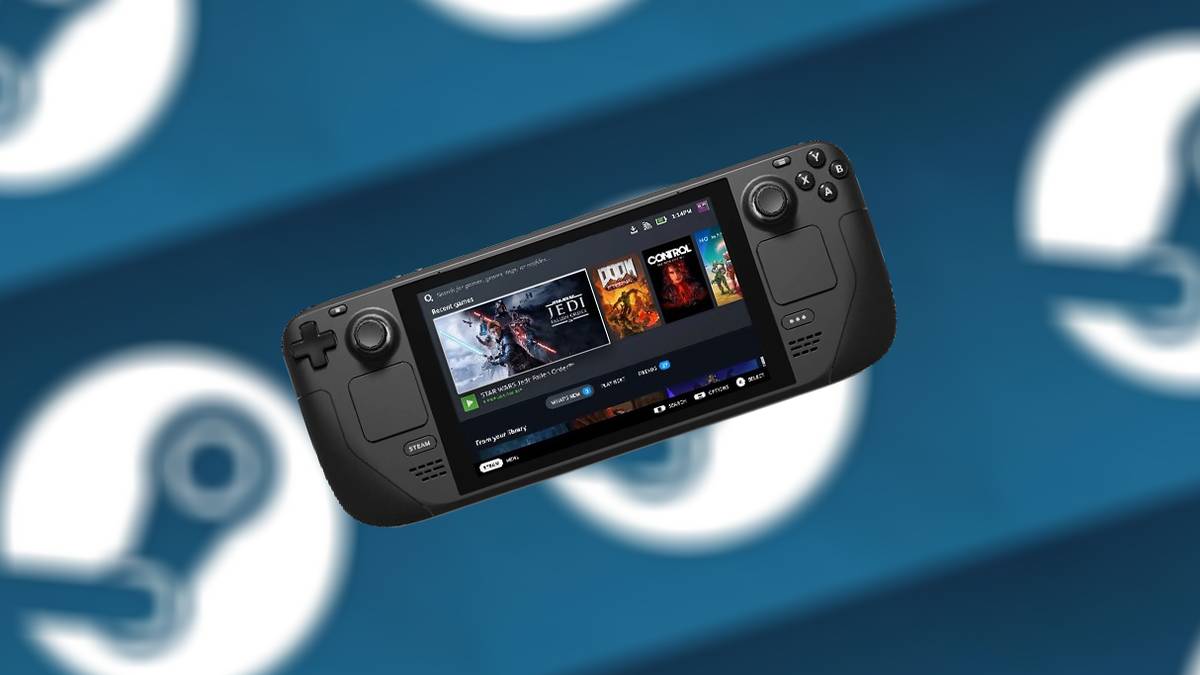
More than $300 has suddenly been slapped onto some Steam Deck models, and gamers across Australia are already doing the maths. Valve’s handheld PC, once praised as the affordable way into portable PC gaming, now sits in a very different price bracket. The jump comes as global memory shortages — dubbed “RAMageddon” in tech circles — continue hammering gaming hardware supply chains. For local buyers watching the Aussie dollar wobble against US tech pricing, it lands like a punch to the wallet.
What’s interesting is how quickly sentiment shifted. Just months ago, the Steam Deck was being talked about as the everyman’s gaming machine. Now? Plenty of players online are asking whether portable PC gaming is drifting back into premium territory.

The Bottom Line
- Valve increased Steam Deck prices by up to $300 depending on the model.
- OLED versions are now pushing toward premium gaming laptop territory.
- Industry-wide RAM shortages are driving manufacturing costs higher.
- Australian buyers face added pressure from import pricing and currency conversion.
- Steam Deck stock has returned after shortages, but at dramatically different prices.
Breaking It Down
The biggest shock came when updated pricing quietly appeared online. Higher-end Steam Deck OLED models, particularly the 1TB versions, suddenly leapt to eye-watering figures that many players simply didn’t expect. In some regions, the increases crossed the equivalent of several hundred Australian dollars overnight.
Valve hasn’t framed the move as a luxury repositioning. Instead, the broader hardware market appears to be forcing its hand. DRAM and NAND flash memory prices have surged throughout 2026, partly because of AI server demand swallowing huge chunks of global semiconductor production. Gaming hardware makers are now competing against data-centre giants with effectively unlimited budgets.

That’s where the so-called “RAMageddon” label comes from. Memory manufacturers have increasingly prioritised enterprise AI contracts, leaving consumer electronics manufacturers scrambling. Portable gaming systems are especially exposed because they rely on compact, power-efficient memory configurations that are already expensive to source.
Meanwhile, gamers who waited months for restocks got a rude surprise. The Steam Deck is finally easier to buy again, but the affordability pitch that made it famous has taken a serious hit. Bit of a tough pill to swallow, especially for younger players who saw the Deck as a cheaper alternative to building a full gaming PC.
The affordable PC gaming dream is getting harder to maintain.
Why This Matters
For Australian consumers, this story hits differently. Imported gaming tech already carries extra costs here, from shipping to GST to currency fluctuations. When US prices spike, Aussie retail tags usually climb even higher once regional markups are factored in.
And here’s the thing — the Steam Deck wasn’t just another gadget. It helped normalise portable PC gaming in a way that hadn’t really happened before. Players could access huge Steam libraries on the couch, at uni, on flights, or during long commutes. The device carved out a loyal following because it felt accessible.
There’s also a broader industry signal here. If memory shortages continue through the year, other gaming products could follow. Graphics cards, gaming laptops and even next-gen handheld competitors may face similar pricing pressure. When it rains, it pours in tech manufacturing.
Some longtime gamers are comparing the situation to the graphics card shortages during the crypto mining boom a few years back. Different cause, same frustration: ordinary players squeezed out by larger industry trends.
What Comes Next
Valve hasn’t indicated whether these prices are temporary. That uncertainty is making buyers hesitate, especially with rumours already circulating about future handheld gaming hardware from competing manufacturers.
If semiconductor supply improves later this year, prices could stabilise. But if AI infrastructure demand keeps accelerating, gaming hardware makers may continue passing those costs directly onto consumers. For now, Australians considering a Steam Deck purchase are watching closely — and probably refreshing price trackers more than they’d like.
FAQ
Why did Valve raise Steam Deck prices?
Valve appears to be responding to rising hardware and memory component costs tied to global semiconductor shortages.
How much did Steam Deck prices increase?
Some models reportedly increased by more than $300 depending on storage and OLED configurations.
What is RAMageddon?
It’s an informal industry term describing severe memory chip shortages and rising RAM pricing across consumer electronics.
Will Steam Deck prices drop again?
Possibly, but it depends on semiconductor supply chains and global memory demand later in 2026.
Are Australian gamers affected more heavily?
Usually yes. Exchange rates, taxes and import costs often amplify global gaming hardware price rises locally.
Is portable PC gaming becoming too expensive?
Many gamers believe the category is drifting away from its budget-friendly roots as hardware costs rise worldwide.