
For Australian travellers, business class is becoming more accessible while also raising the bar for comfort on long-haul flights. New premium seating designs are promising a significantly improved experience across Pacific routes, while airlines are introducing fresh ways for passengers to secure upgrades using loyalty points. Together, these developments signal a shift in how airlines compete for high-value travellers in 2026.
Context & Background
Business class has become one of the aviation industry's most competitive battlegrounds. While economy fares remain sensitive to price, premium passengers are increasingly willing to pay for privacy, comfort and productivity during long-haul flights.
Australian travellers are particularly important in this market. Flights between Australia, North America and Asia often exceed ten hours, making seat quality more than just a luxury. It can directly influence airline choice. As carriers compete for corporate travellers and affluent leisure passengers, cabin innovation has become a key differentiator.
That's where the rubber hits the road. Airlines are no longer selling only transportation. They're selling rest, convenience and time.
- Business Class
- A premium cabin offering larger seats, enhanced service and additional travel benefits.
- Loyalty Points
- Rewards earned through airline programs that can be redeemed for flights or upgrades.
- Points Plus Pay
- A payment option combining loyalty points with cash to reduce travel costs or secure upgrades.
Here's What Happened
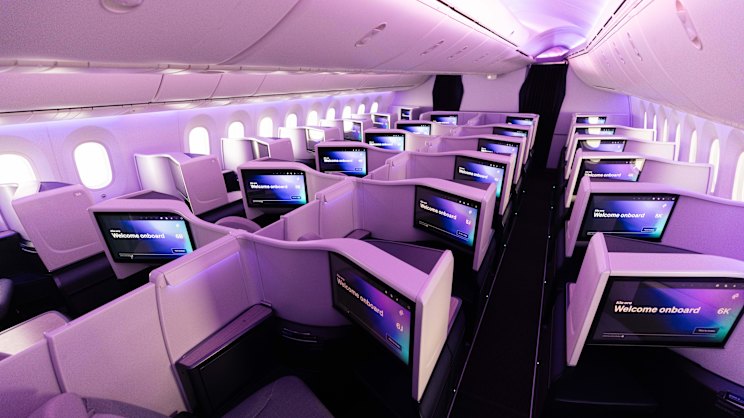
A newly unveiled business class seat design is attracting attention for its focus on privacy, space and passenger comfort. The product is being positioned as a new benchmark for long-haul travel across the Pacific, where passengers spend extended periods in the air and increasingly expect premium amenities.
The latest generation seats feature improvements aimed at creating a more residential feel. Airlines have been steadily moving toward private suites, direct aisle access and enhanced sleeping arrangements as customer expectations evolve.

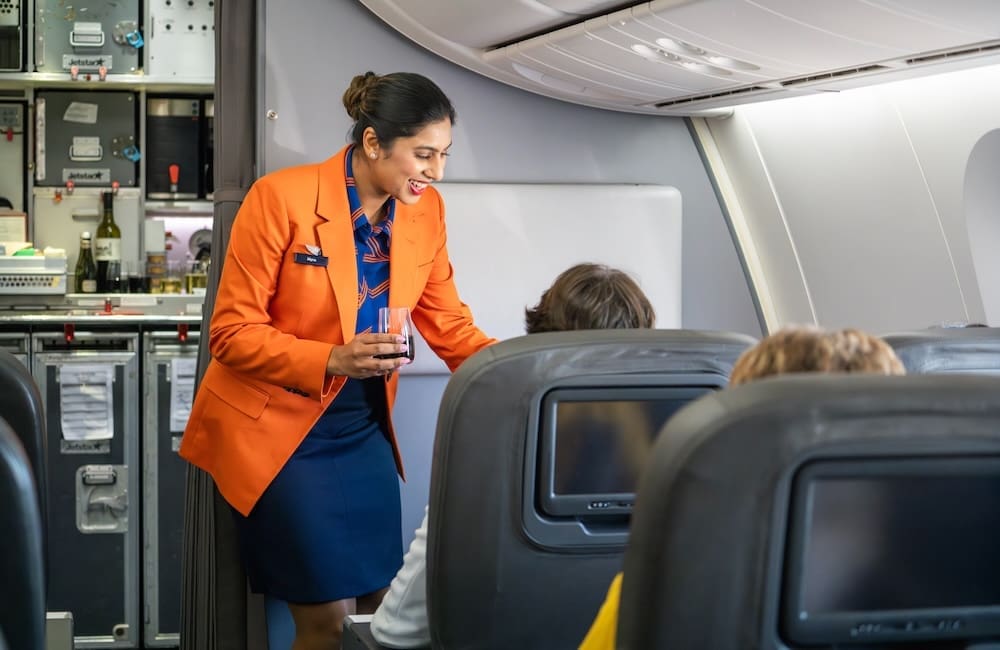
Meanwhile, Jetstar has expanded its upgrade offering through a Points Plus Pay feature. Travellers can now combine loyalty points with cash payments to pursue business class upgrades, opening the door to premium travel for passengers who may not have accumulated enough points for a full redemption.
The move reflects a broader industry trend. Airlines are increasingly monetising upgrades while giving customers greater flexibility in how they use rewards. For many travellers, particularly families and occasional flyers, partial-point options can make premium travel feel more achievable.
The Response
Industry observers have welcomed the focus on both product quality and flexibility. Premium travellers continue to seek comfort, but airlines also face pressure to provide more accessible pathways into business class.
Business class upgrades can now be secured through a combination of points and payment rather than requiring a full points balance.
Travel specialists note that premium cabins have become central revenue drivers for airlines. While economy cabins remain important for volume, higher-yield seats often contribute disproportionately to profitability.
Modern business class products are increasingly judged on privacy, sleeping comfort and personal space.
The Bigger Picture
For Australian consumers, these changes arrive at a time when international travel demand remains strong. Travellers are becoming more selective about how they spend on long-haul journeys, especially on routes where comfort can significantly affect the travel experience.
The introduction of more sophisticated business class cabins could place competitive pressure on rival carriers to accelerate their own product upgrades. At the same time, more flexible points programs may encourage greater engagement with airline loyalty schemes.
What's interesting is that both developments point toward the same objective: attracting travellers who want value without sacrificing comfort. Whether through cutting-edge seating or more accessible upgrades, airlines are competing for attention in a crowded market.
If you're following aviation trends, you might be wondering whether this signals a broader shift. Recent years suggest the answer is yes. Premium travel continues to recover strongly, and airlines are investing accordingly.
The Road Ahead
More cabin redesign announcements are expected across major international carriers over the coming months. Airlines remain focused on differentiating their premium offerings as travel demand evolves.
Travellers should also expect further experimentation with loyalty programs, upgrade auctions and hybrid payment models that combine points with cash.
Frequently Asked Questions
What is changing in business class travel in 2026?
Airlines are introducing more advanced business class seats focused on privacy and comfort while also expanding flexible upgrade options through loyalty programs.
How does Points Plus Pay work for business class upgrades?
The system allows travellers to combine available loyalty points with a cash payment instead of requiring the full number of points needed for an upgrade.
Why are airlines investing heavily in business class?
Premium cabins generate strong revenue and attract corporate travellers as well as leisure passengers seeking greater comfort on long journeys.
Will business class become more affordable?
Base fares may remain premium-priced, but flexible upgrade programs can provide more opportunities for travellers to access higher-class cabins.
Why does seat design matter on Pacific routes?
Many Pacific flights exceed ten hours. Better sleeping arrangements, privacy and personal space can substantially improve the travel experience.