

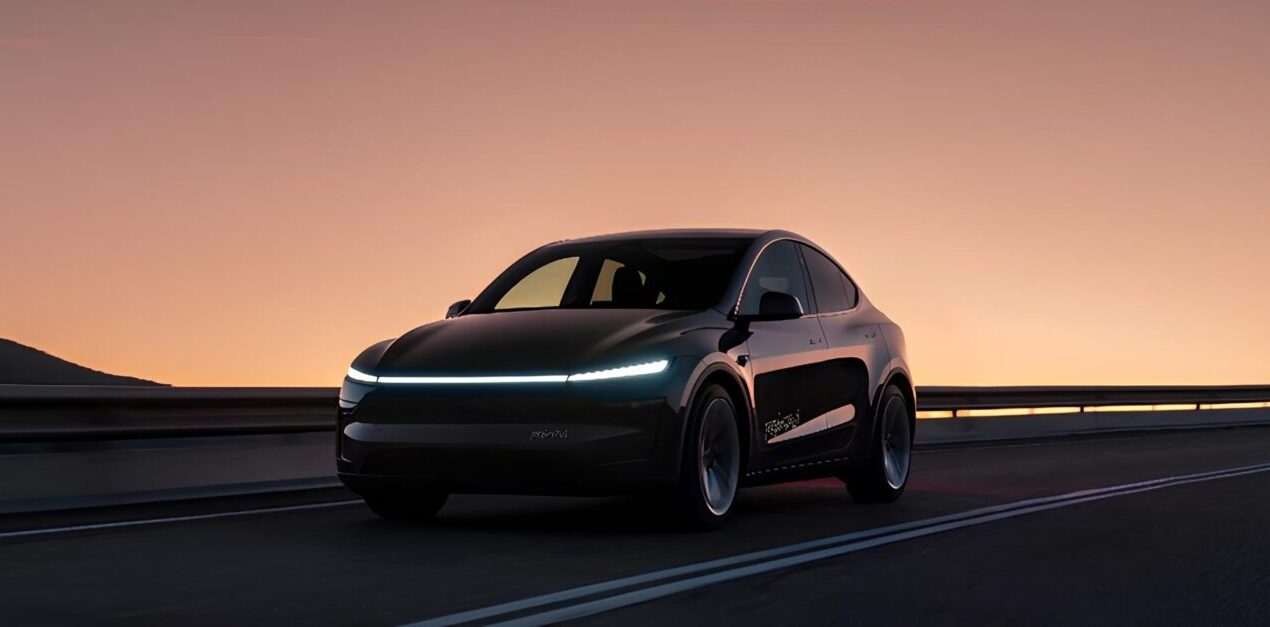
A Tesla robotaxi moving through a rain-soaked Miami street made for a striking image just days after the service arrived. The July 3 launch gave Tesla a new autonomous ride-hailing market and another test of Elon Musk’s push for wider unsupervised driving in 2026. Yet the rollout also exposed a harder question: how quickly can Tesla move from small geofenced zones to a service that works reliably at meaningful scale?
How Events Unfolded
Tesla launched its Miami robotaxi service on July 3, 2026, extending a program that began with limited commercial operations in Austin on June 22, 2025. The company later added service in California’s San Francisco Bay Area, followed by Dallas and Houston in 2026.
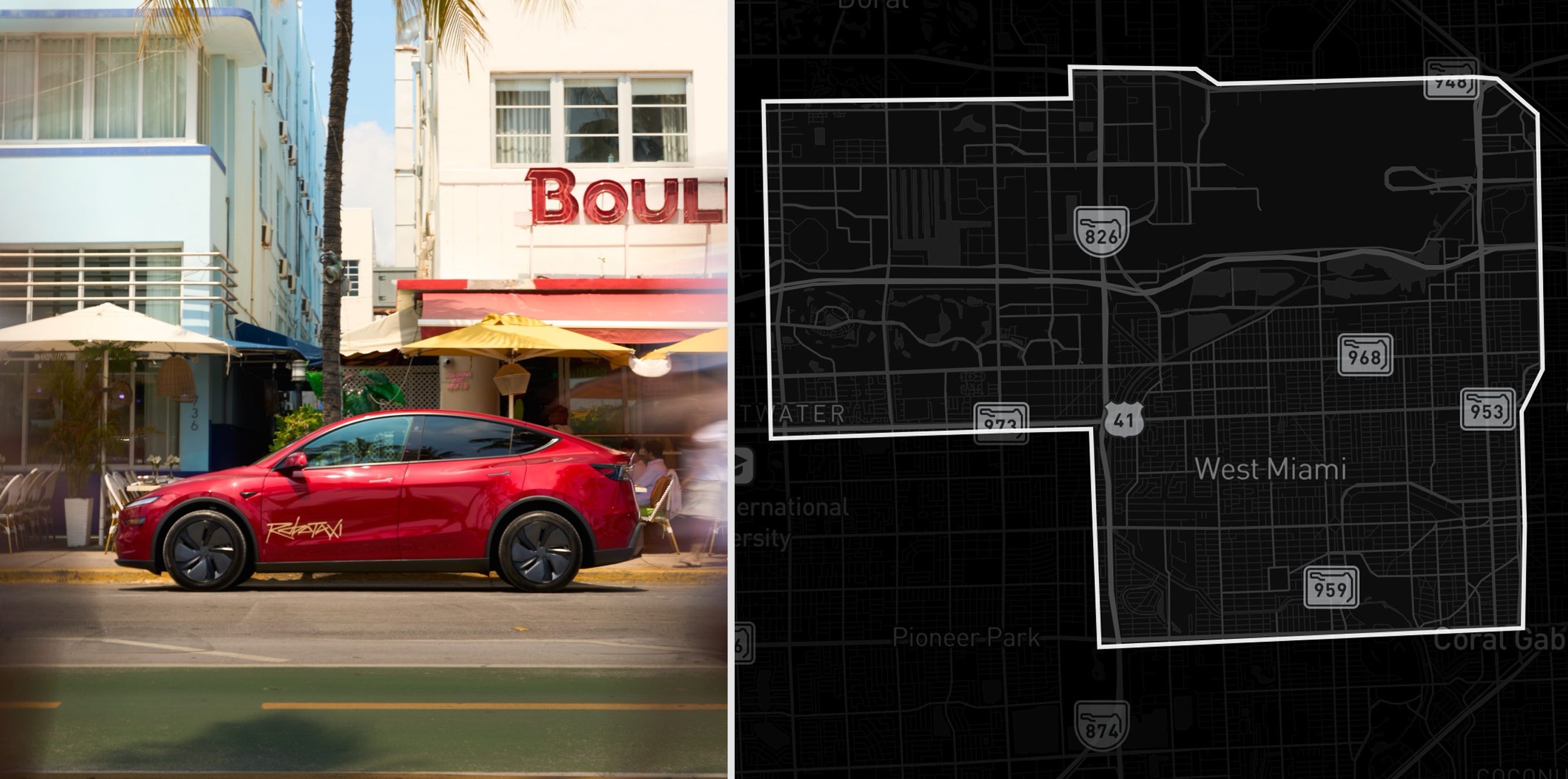
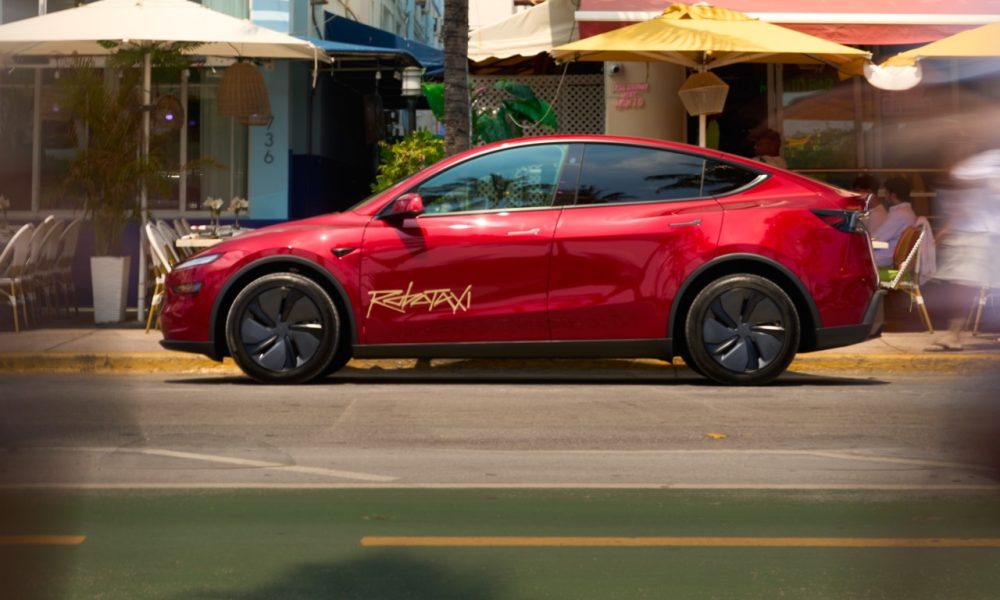
The exact scope of the Miami rollout is disputed across the provided reports. One report describes Miami vehicles as fully autonomous, with no driver or safety monitor inside. A separate report from Automotive World says the service covers a limited portion of the metro area, while Electrek describes a small geofence concentrated around West Miami, Doral and Sweetwater.
The disagreement extends to the boundaries. One account says the operating zone includes Miami International Airport, while Automotive World and Electrek say the published service area excludes the airport, downtown Miami and Miami Beach. The common point is that Tesla has entered Miami; what remains unclear from the supplied material is the exact operational footprint and whether every ride runs without an onboard monitor.
Days after launch, a video circulating on X appeared to show a Tesla robotaxi moving through a flooded street without a person behind the wheel. The footage drew attention because standing water can challenge both traction and the camera-based system’s ability to judge road conditions. The clip alone does not establish how the system performs across repeated storms or deeper flooding.
Critical Details
Tesla’s central challenge is no longer simply adding cities. It is proving that a growing map can support enough vehicles, reliable availability and an acceptable safety record.
That tension is clearest in Austin. Automotive World reports that city officials put Tesla’s fleet there at roughly 50 vehicles, while the unsupervised portion had fallen from a peak near 25 vehicles toward roughly 14. The same report says waits often exceeded 15 minutes and that no cars were available in more than a quarter of checks.
Safety validation is another constraint. Automotive World says Tesla reported 14 crashes to U.S. regulators in Austin between the June 2025 launch and mid-January. Electrek also reports that Musk identified safety validation as the limiting factor for expansion and linked broader deployment to improvements expected in Full Self-Driving v15.
Hardware adds another complication. Automotive World reports that Musk said Hardware 3, installed in vehicles sold between 2019 and 2022, lacks the memory bandwidth needed for unsupervised driving and would require replacement of both the compute unit and cameras. That creates a divide between expanding a purpose-built robotaxi network and turning older customer vehicles into autonomous revenue-generating cars.
Reactions & Responses
The supplied coverage splits sharply over what Miami represents. The Globe and Mail-hosted Zacks article treats the launch as measurable progress toward Musk’s goal of making unsupervised vehicles more common across the United States in the second half of 2026. It argues that each deployment can generate more real-world driving data and expand Tesla’s operating experience.
Automotive World and Electrek take a more critical view. Their reporting focuses on small service zones, limited fleets and the gap between announcing new markets and making vehicles broadly available. That distinction matters because a geofence shows where a service may operate; it does not show how many rides the fleet can actually complete.
The flooded-street video adds another layer. BASENOR presents it as evidence that the system can handle difficult real-world conditions, but the article also acknowledges that the clip does not clearly show whether the vehicle slowed, changed course or maintained normal speed. A single successful manoeuvre is a useful demonstration, not a complete reliability record.
Putting It in Perspective
Tesla is entering a market where rivals already have larger operating networks. The supplied reports say Waymo completes roughly 500,000 paid rides each week, while Automotive World puts its fleet at about 4,000 vehicles across ten cities globally, including some in testing stages.
For Canadian readers, the significance is less about booking a ride in Miami and more about what Tesla is proving before autonomous services expand more widely. The company must show that camera-based driving can handle weather, busy urban roads and unpredictable conditions consistently, not just in selected demonstrations.
The Miami launch therefore carries two stories at once. Tesla is expanding into another major city, but the available evidence also shows that adding locations is easier than building dense fleets with short waits and sustained unsupervised operation.
Looking Ahead
The next test is whether Tesla can increase the number of truly driverless vehicles while maintaining safety and ride availability. Musk has said broader unsupervised deployment depends on further safety validation, and the supplied reports point to Full Self-Driving v15 as a key future milestone.
Miami will also provide a demanding real-world test during South Florida’s wet summer conditions. Repeated performance across rain, standing water and heavy traffic will carry more weight than one viral clip.
Another benchmark is scale. Tesla’s progress will be easier to judge when fleet size, wait times and unsupervised operations rise together rather than when service maps expand on their own.
FAQ
When did Tesla launch its Miami robotaxi service?
Tesla launched the Miami service on July 3, 2026.
Is Tesla’s Miami robotaxi service fully driverless?
The supplied reports conflict. One says Miami uses fully autonomous vehicles without onboard monitors, while others describe a limited rollout and do not establish that every ride is unsupervised.
How large is Tesla’s Miami robotaxi service area?
Reports describe a limited geofenced zone, but they disagree on its exact boundaries. Automotive World and Electrek say it excludes downtown Miami, Miami Beach and the airport.
What is stopping Tesla from scaling robotaxis faster?
The supplied reports identify safety validation, limited fleet size, ride availability and the need for improved self-driving software as major constraints.