
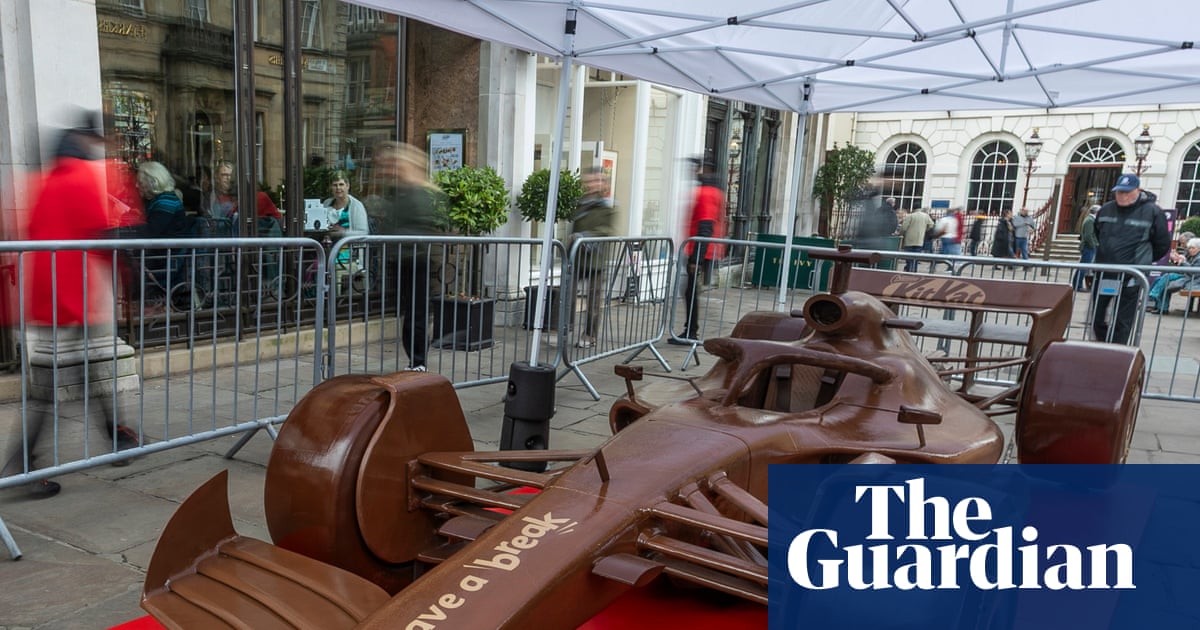
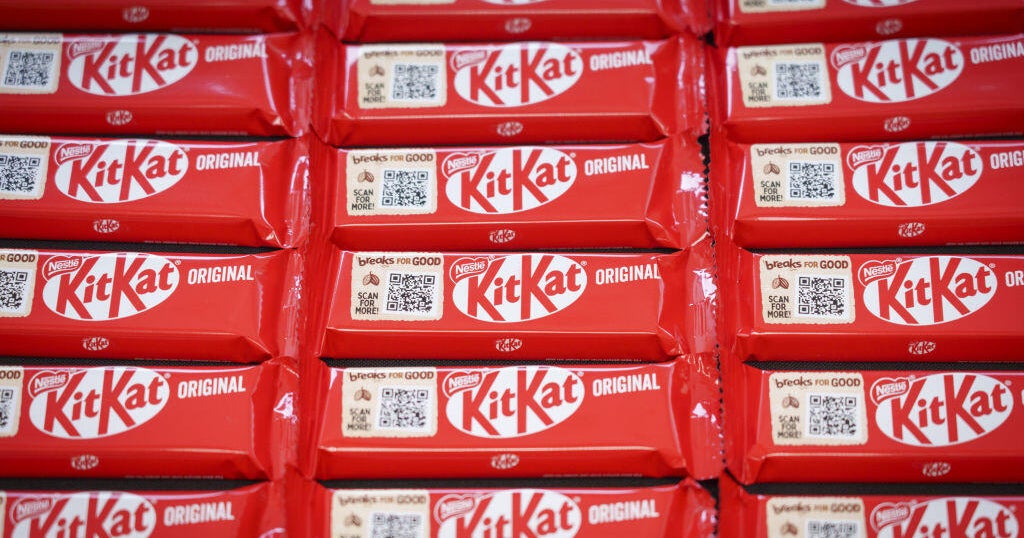
12 tonnes. That’s how much chocolate disappeared in a single hit — roughly 400,000 KitKat bars gone before they ever reached store shelves. The scale alone turns a quirky headline into something more serious: a growing pattern of cargo theft across Europe. And while it sounds almost comical, the implications stretch far beyond a missing candy shipment.

The Bottom Line
- More than 12 tonnes of KitKat chocolate bars were stolen during transport in Europe
- The shipment was travelling from Italy to Poland when it vanished
- Estimated loss: hundreds of thousands of individual bars
- The chocolate was part of a new product range tied to Formula 1 branding
- Experts warn cargo theft is rising — and food products are now prime targets
Breaking It Down
Here’s the thing — this wasn’t a smash-and-grab from a corner store. The theft happened somewhere along a logistics route between Italy and Poland, likely targeting a truck carrying the shipment. That suggests planning, not impulse.
The chocolate itself wasn’t just any batch. It was part of a new KitKat line linked to Formula 1, a high-profile marketing push aimed at racing fans across Europe. That kind of branding bumps up value — and attention. For thieves, it’s not just candy; it’s a resellable product with built-in demand.

Meanwhile, food cargo theft isn’t new — but it’s evolving. Organized groups increasingly target everyday goods: chocolate, coffee, even olive oil. Why? Easy to move, hard to trace, and always in demand. As one company spokesperson put it:
Whilst we appreciate the criminals’ exceptional taste, the fact remains that cargo theft is an escalating issue.
That line may raise a smile, but the message underneath is blunt. This isn’t an isolated incident — it’s part of a broader shift in how organized theft operates across supply chains.
Why This Matters
If you’re in Canada, you might be thinking: what does a chocolate heist in Europe have to do with me? More than you’d expect.
Global supply chains are tightly connected. When goods disappear — especially at this scale — costs ripple outward. That can mean higher prices, delayed product launches, or limited availability in international markets. And yes, that includes products you see in Canadian stores.
There’s also a bigger pattern here. Over the past few years, cargo theft has surged globally, driven by inflation, supply chain disruptions, and organized crime networks adapting fast. In simple terms: when everyday goods become more valuable, they become more tempting targets. Follow the money, as they say.
And for brands? Incidents like this force companies to rethink logistics security — more tracking, tighter controls, and higher costs. That eventually lands somewhere down the line. Often, with consumers.
What Comes Next
Authorities across Europe are investigating the theft, though details remain limited. Recovering goods in cases like this is notoriously difficult — once redistributed, products blend quickly into informal markets.
For companies, expect stronger safeguards. More secure transport routes, enhanced monitoring, and possibly higher insurance costs. For shoppers, the impact will likely be subtle — but real — showing up in pricing, availability, or delayed product rollouts.
FAQ
How were the KitKat bars stolen?
The theft likely occurred during transport, targeting a truck shipment moving between Italy and Poland — a common weak point in logistics chains.
Why steal chocolate instead of electronics or luxury goods?
Food products are easier to resell, harder to trace, and always in demand — making them attractive for organized theft groups.
Will this affect KitKat availability in Canada?
Not directly, but global supply disruptions can influence pricing or delays for certain product lines.
Is cargo theft really increasing?
Yes. Reports show a steady rise, especially targeting everyday goods like food and household items.
What are companies doing to prevent this?
They’re investing in better tracking, route security, and logistics monitoring to reduce vulnerabilities during transport.