
Picture a typical first-time homebuyer. You’re likely imagining a couple in their mid-20s, fresh out of university, nervously signing papers for a starter home. That image is officially a relic of the past, a ghost of Christmas present for a generation that’s had to wait longer than any other to get their foot in the door.
The latest data confirms the shift: the average age of a first-time homebuyer has skyrocketed to a record-breaking 38 years old. Meanwhile, older millennials are no longer waiting for the market to cool; they are starting to behave exactly like Baby Boomers, utilizing equity and significant savings to pull away from the younger pack.

How Events Unfolded
For years, the dream of homeownership has been moving further out of reach for many in CA. A combination of stagnant wages, skyrocketing property values, and a lack of inventory has created a bottleneck. What we are seeing now is the result of that pressure cooker finally popping. According to the National Association of REALTORS®, the share of first-time buyers has plunged to record lows.
Those who *are* making it into the market aren't the bright-eyed 25-year-olds of the 1980s. They are seasoned professionals nearing 40. These "Geriatric Millennials" have spent nearly two decades saving for down payments that keep moving the goalposts. It’s a slow-burn crisis that has fundamentally changed the neighborhood dynamic across the country.
What's interesting is the "Boomer-fication" of the older millennial. Having finally built up significant capital or received inheritance, they are skipping the "fixer-upper" stage and jumping straight into forever homes. They aren't looking for a project; they're looking for stability and luxury, much like the generation before them.
Critical Details
Why is this happening now? It’s a matter of wealth concentration and high interest rates. Younger buyers are being effectively locked out because they lack the massive down payments required to keep monthly mortgage costs manageable. Those around age 38, however, have had more time to weather the economic storms and accumulate the necessary cash.

Essentially, the "starter home" is dead. In CA, where the cost of living continues to bite, first-time buyers now account for only 24% of all sales. That is a staggering drop from historical norms of nearly 40%. The ladder has been pulled up, and only those with high seniority or family help can reach the bottom rung.
Reactions & Responses
Housing analysts are sounding the alarm on what this means for the long-term economy. When people wait until 40 to buy their first home, it delays everything else—from starting families to retirement savings. It creates a ripple effect that touches every industry from childcare to car sales.
The gap between the haves and have-nots in the real estate world is widening. We are seeing a market where age and accumulated wealth are the only true currency left.
Locally, real estate agents in CA are seeing a shift in client demographics. "I used to show condos to 20-somethings," says one veteran Vancouver agent. "Now, my 'young' first-time buyers are 39 with two kids and a dog. They aren't starting their lives; they're already mid-career."
Putting It in Perspective
This isn't just a trend; it's a structural shift. If you're following this, you'll notice that the typical 3-bedroom bungalow is now a luxury item. The consequence for people in CA is a growing "renter class" that stays in the rental market for decades, driving up those prices too. It’s a double-edged sword that cuts deep into the middle class.
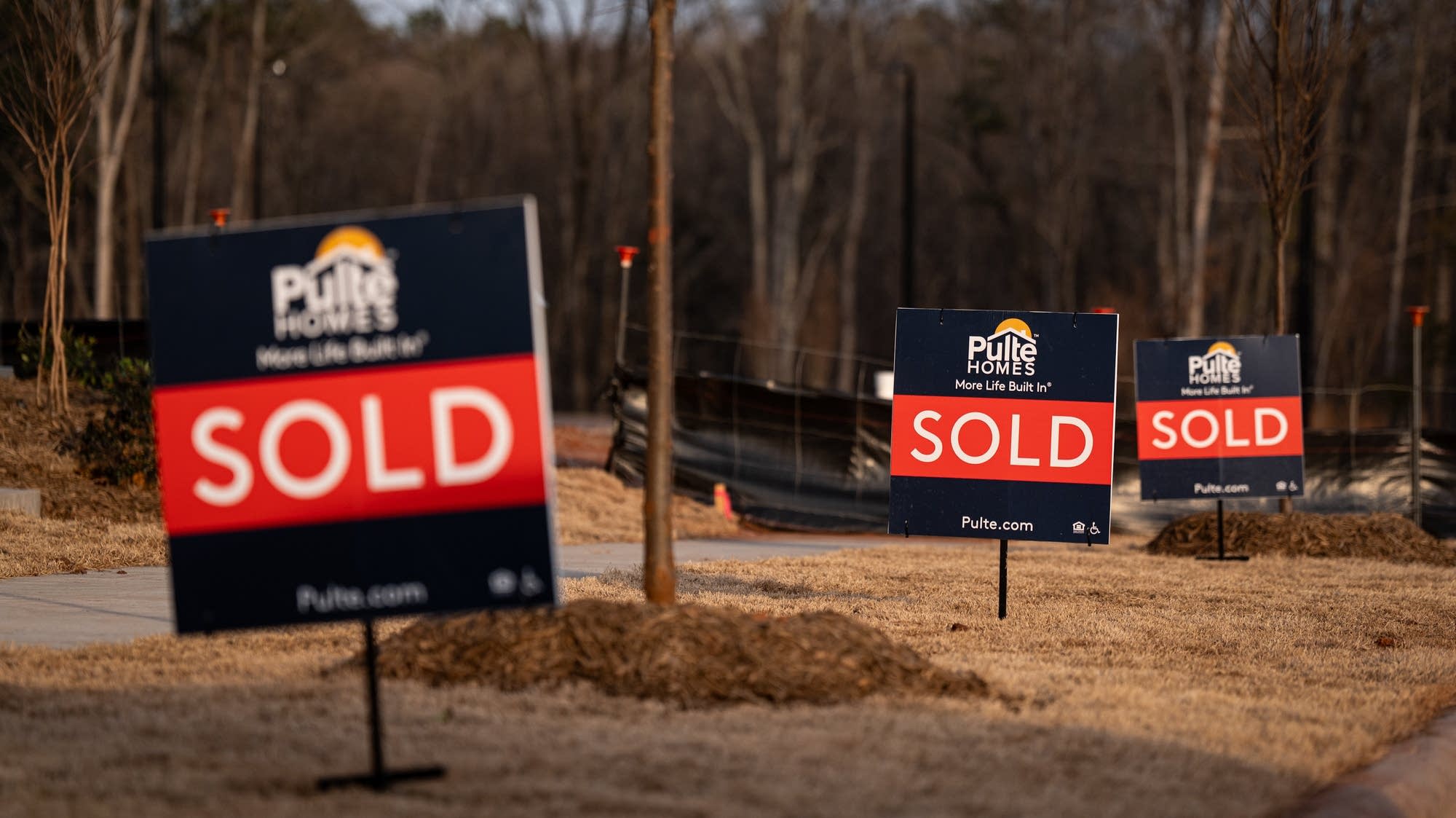
Historically, the average age was 29 in the 1980s. To see it jump nearly a full decade in two generations is unprecedented. It suggests that the path to the "American (or Canadian) Dream" has been rerouted through a much longer, more expensive toll road.
Looking Ahead
What's next? Economists expect the average age to stabilize around 38-40 unless there is a significant correction in interest rates or a massive surge in supply. For those currently in their 20s, the message is clear: start saving now, and don't expect to be handed the keys anytime soon. The market belongs to the patient and the well-funded.
FAQ
- What is the average age of a first-time homebuyer in 2026? The average age has reached a record high of 38 years old.
- Why is the homebuyer age increasing? High home prices, limited inventory, and high interest rates require larger down payments that take longer to save.
- Are Baby Boomers still buying homes? Yes, Boomers remain the largest share of home buyers, often using equity from previous homes to outcompete younger buyers.
- What percentage of the market is first-time buyers? First-time buyers now represent only about 24% of the market, a record low.