
Canadian investors are watching a market shift that could ripple through pensions, tech funds and retail portfolios alike. A wave of excitement around artificial intelligence companies, private tech giants and mega-valuations is pushing analysts to compare today’s market mood to the Roaring Twenties. And this time, the money involved is staggering.
From SpaceX to OpenAI and Anthropic, investors are pouring cash into companies that are not even publicly traded yet. Meanwhile, Nasdaq is reportedly considering faster pathways for AI-linked listings, a move that could reshape how big tech companies hit the market in the years ahead.
If you’re investing through a TFSA, RRSP or even a workplace retirement plan, this story matters more than it might seem at first glance. The hype is no longer confined to Silicon Valley insiders.

Behind the Headlines
Bank of America strategist Michael Hartnett recently warned that today’s market enthusiasm could rival the speculative excesses seen during the 1920s. That comparison is getting attention because investors have already watched technology stocks surge through 2025 and into 2026, largely powered by AI optimism.
Here’s the thing. Much of the excitement is tied to companies that still sit outside public markets. OpenAI, SpaceX and Anthropic have attracted valuations so massive that some analysts believe they could instantly rank among the largest corporations in America once listed.
That creates a strange dynamic. Everyday investors hear about trillion-dollar valuations daily, yet many cannot directly access these companies unless they invest through specialized funds or secondary markets. It’s a bit like watching the Stanley Cup finals from outside the arena.
Meanwhile, Nasdaq’s discussions around AI-focused fast-track listing structures suggest regulators and exchanges are already adapting to this new investment era. Faster listings could mean less waiting time between private fundraising rounds and public trading.
Here's What Happened
The latest buzz began after several market commentators suggested the next generation of AI and aerospace IPOs could fundamentally alter the balance of the S&P 500 and Nasdaq indexes. Traders are especially focused on OpenAI and SpaceX because of their extraordinary private valuations.
Some estimates now place SpaceX near or above major legacy industrial giants. OpenAI’s valuation trajectory has also accelerated sharply as generative AI tools become embedded across banking, software, healthcare and education sectors.

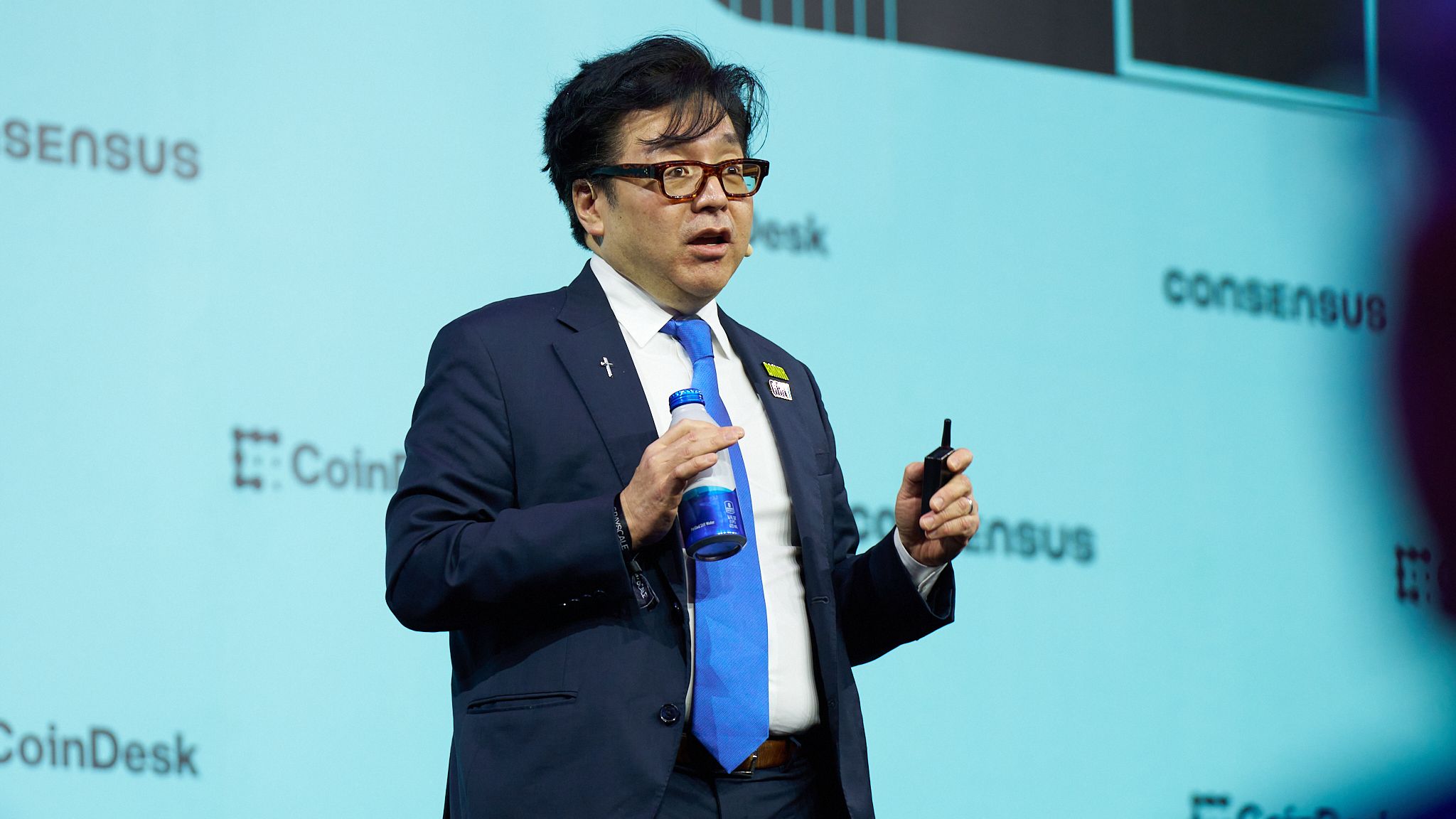
Tom Lee of Fundstrat argued that a flood of major tech IPOs would not necessarily crash markets. Instead, he believes new listings could inject fresh momentum into U.S. equities. Supporters of that argument say AI is not just another tech fad — it is already reshaping productivity, search, automation and enterprise software.
Still, skepticism is growing. Critics point out that many companies tied to AI are seeing valuations expand far faster than their actual revenues. You might be wondering whether this resembles the dot-com boom of the late 1990s. Some similarities are hard to ignore: explosive investor excitement, rapid capital inflows and fears of missing out.
At the same time, Canadian investors are increasingly exposed through ETFs, pension funds and cross-border holdings. A sharp correction in U.S. tech markets would likely hit Canadian retirement portfolios too.
For investors seeking exposure, articles discussing possible future offerings from firms like SpaceX and OpenAI have sparked another debate: whether retail investors should even chase these IPOs once they arrive. Some advisors caution that first-day trading surges often benefit institutional investors more than ordinary buyers.
The market is preparing for trillions in new tech supply.
This bubble could rival the Roaring Twenties.
Voices & Opinions
Supporters of the AI rally argue the technology is already delivering real economic value. Businesses are integrating automation tools at remarkable speed, and many executives believe productivity gains are only beginning.
Others are more cautious. Some analysts fear markets are pricing perfection into companies that still face major regulatory, legal and operational challenges. OpenAI, for example, operates in a sector where copyright, privacy and government oversight debates continue to intensify.
Bay Street investors have seen this movie before. Canada experienced similar enthusiasm during cannabis legalization and earlier tech booms, where valuations sometimes raced ahead of fundamentals. The lesson from those cycles is simple: momentum can last longer than expected, but reversals can arrive quickly too.
The Bigger Picture
The broader concern is not only about stock prices. AI-driven capital concentration could reshape global markets for years. If a handful of companies dominate cloud computing, AI infrastructure and advanced models, market indexes themselves may become even more dependent on fewer firms.
That matters in Canada because pension funds and institutional investors heavily track U.S. indexes. When a few mega-tech firms drive most market gains, retirement portfolios become more vulnerable to sudden sentiment shifts.
Meanwhile, Nasdaq’s potential AI fast-track listing system may encourage even more startups to prioritize rapid scaling over slower, traditional growth strategies. Faster listings could create opportunities for investors, but they could also increase volatility if companies hit public markets before fully maturing.
And get this — some market veterans still believe the AI boom has years left to run. Others think we’re approaching a dangerous peak. That’s the million-dollar question. Literally.
The Road Ahead
Investors are now closely watching for signs of actual IPO filings from major AI and aerospace companies. Any official paperwork from OpenAI, SpaceX or Anthropic would likely trigger enormous market attention.
For Canadian investors, the smartest move may be balance rather than blind excitement. AI is reshaping industries rapidly, but history shows that even transformative technologies can produce painful market corrections along the way.
FAQ
Why are analysts comparing today’s market to the Roaring Twenties?
Because technology stocks and AI companies are seeing rapid valuation increases fueled by investor optimism.
Could OpenAI and SpaceX really become top public companies?
Yes. Current private valuations suggest they could immediately rank among America’s largest firms after IPOs.
How does this affect Canadian investors?
Many Canadian pensions, ETFs and retirement accounts hold major U.S. tech stocks directly or indirectly.
What is Nasdaq’s AI fast-track idea?
It refers to discussions about streamlining listing pathways for AI-focused companies entering public markets.
Are experts warning about a stock market crash?
Some strategists see bubble-like conditions, while others argue AI growth justifies higher valuations.
Should retail investors buy AI IPOs immediately?
Financial advisors often recommend caution because IPO prices can be extremely volatile in early trading.