
Canada’s standoff with Washington just took a sharper turn. Prime Minister Mark Carney is now tying the fate of U.S. liquor sales in Canada directly to American tariffs on steel, autos, and lumber — a clear escalation in an already tense trade dispute.
The message is blunt: no concessions without movement from the U.S. side. Provinces are lining up behind Ottawa, reinforcing a united front that signals this isn’t a short-lived spat.
And if you’re watching from here in Canada, this isn’t just political theatre — it’s starting to hit shelves, prices, and industries closer to home.

What We Know So Far
The current flashpoint revolves around tariffs the United States has imposed on key Canadian exports — steel, autos, and lumber. Carney has described these measures as more than minor irritants, calling them outright violations of the existing trade agreement.
In response, Canadian provinces have pulled U.S. alcohol from government-run stores, a move that’s both symbolic and economic. Ontario Premier Doug Ford has gone further, making it clear that American liquor won’t return to LCBO shelves until a new trade deal is reached.
Meanwhile, British Columbia officials say they see “no reason” to reverse their stance either. That kind of alignment across provinces is rare — and it underscores just how seriously Canada is treating this dispute.
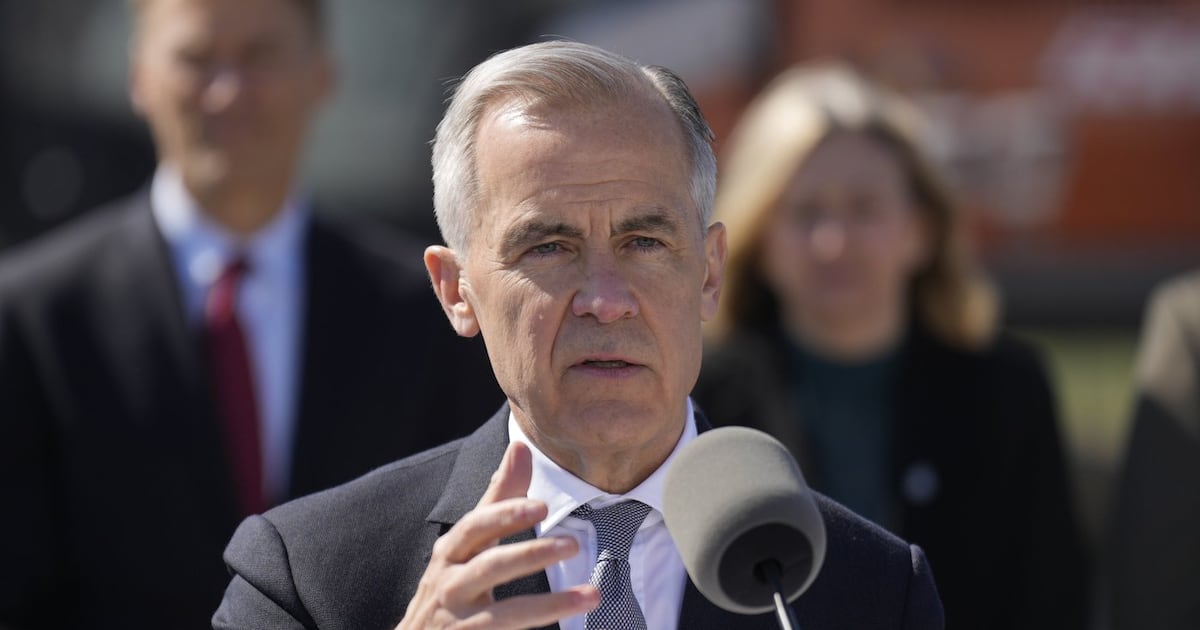
Carney has hinted that the situation could be resolved quickly — but only if the U.S. lifts what he calls its “assault” on Canadian industries. That’s a strong word, and it reflects growing frustration in Ottawa.
What’s interesting is how this echoes past trade flare-ups. Think back to earlier disputes over softwood lumber — they dragged on for years, affecting jobs and pricing across both countries. The risk now? A repeat, but broader.
What People Are Saying
“Those are violations of our trade deal.”
“We won’t bring U.S. alcohol back until there’s a new deal.”
“There’s no reason to put U.S. booze back on shelves.”
These aren’t off-the-cuff remarks. They reflect coordinated messaging — a signal to Washington that Canada isn’t blinking first.
How This Affects You
If you’ve walked into a liquor store lately and noticed fewer American labels, you’re not imagining it. The ban is already reshaping what’s available — and potentially what you pay.
For consumers, this could mean higher prices or fewer choices in the short term. Canadian producers might benefit, though, as shelves make room for domestic brands. Every cloud has a silver lining, as they say.
But the bigger impact? Jobs and industries. Steel, auto manufacturing, and forestry are major employers across the country. Tariffs can ripple through supply chains, affecting everything from construction costs to car prices.

And here’s the thing — if this drags on, the economic pressure doesn’t stay in boardrooms. It lands squarely on households.
Coming Up
All eyes are now on upcoming trade discussions between Ottawa and Washington. Officials on both sides are under pressure to de-escalate, but there’s no confirmed timeline for a breakthrough.
Carney has suggested that progress could come quickly if the U.S. changes course. Until then, expect the current measures to stay in place — and possibly expand.
At a Glance
- Canada ties U.S. liquor ban to tariffs on steel, autos, and lumber
- Ontario and B.C. refuse to restock American alcohol
- Carney calls U.S. actions violations of trade agreements
- Dispute could impact prices, jobs, and product availability
- No clear timeline yet for resolution
FAQ
Why is Canada banning U.S. liquor?
It’s a response to U.S. tariffs on key Canadian exports, used as leverage in trade negotiations.
What tariffs are causing the dispute?
Tariffs on steel, automobiles, and lumber — all major Canadian industries.
Will U.S. alcohol return to Canadian stores soon?
Only if the U.S. lifts its tariffs or a new trade deal is reached.
How does this affect Canadian consumers?
Fewer product choices and possible price increases, especially in liquor stores.
Could this escalate further?
Yes. If talks stall, both sides could introduce additional trade restrictions.