

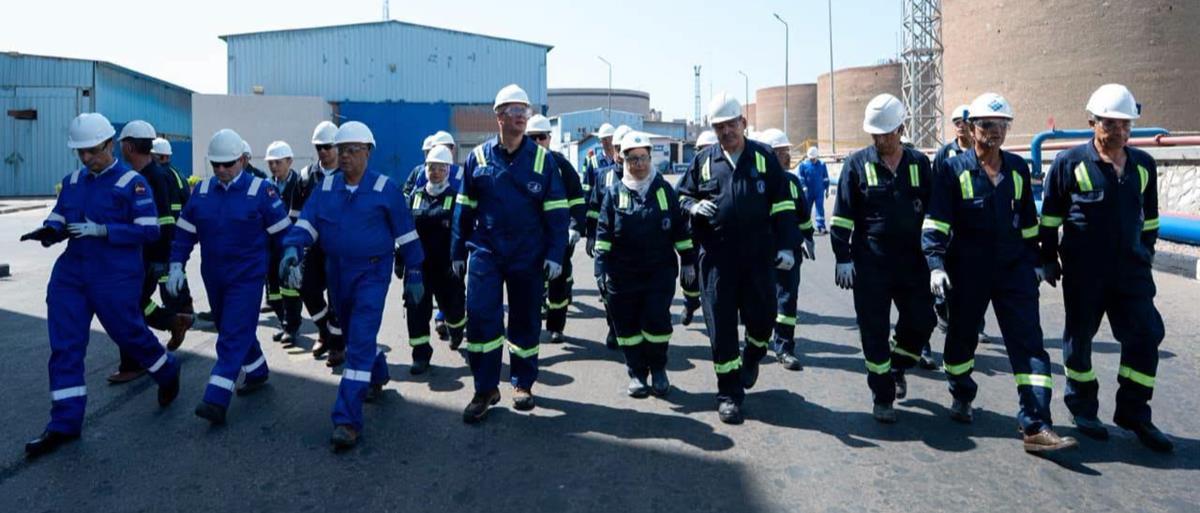
Egypt's Petroleum and Mineral Resources Minister Karim Badawi said on July 25, 2026, during a refinery visit in Alexandria that the country's crude oil production had reached its highest level in nearly two years. The rebound has helped refineries run harder, reduced pressure on fuel imports and created more product for overseas sales. In the first half of 2026, petroleum product exports exceeded 2.3 million tonnes and generated about $2.3 billion, matching the volume exported during all of 2025. For Canadian readers following global energy markets, the story shows how quickly refinery investment and producer-payment policy can alter a country's role in fuel trade.
The Story at a Glance
Egypt's refineries reached about 80% utilization in 2026, according to ministry figures carried by Arab News. The higher operating rate supported domestic supply while creating larger exportable surpluses of jet fuel, naphtha, waxes and vacuum distillates. Officials now expect second-half exports to reach about 2.5 million tonnes, slightly above the first-half total.
The ministry is also advancing refinery projects backed by roughly $4.5 billion in investment and financing. The stated goals are to improve energy security, cut the import bill and strengthen the competitiveness of Egyptian petroleum exports.
How the Story Developed
Egypt's oil production had been declining since 2021 as unpaid obligations to foreign energy partners accumulated. Badawi said those outstanding payments exceeded $6 billion two years ago. The government then began settling partner dues, a move the minister said restored confidence, encouraged new capital and accelerated exploration, field development and production.
By June 2026, the ministry said payments to investment partners had helped push crude output to its strongest level in nearly two years. A separate report published days before the refinery announcement said production had risen to nearly 540,000 barrels per day after the completion of several field-development projects. The same report said Egypt plans to double crude production by 2030 using technologies including horizontal drilling and hydraulic fracturing.
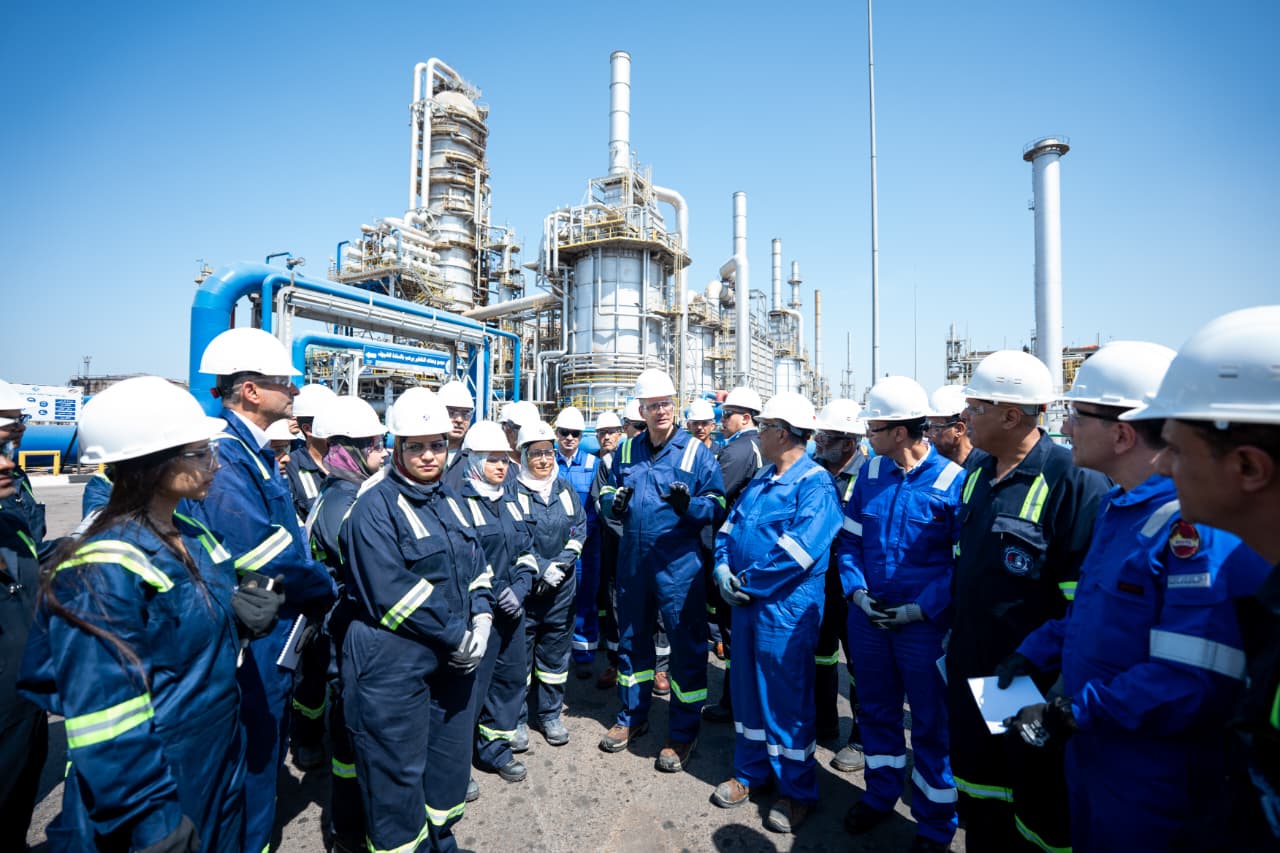
As crude and condensate availability improved, refineries processed more feedstock. That created a direct chain: stronger upstream production fed higher refinery throughput, which helped meet local demand, reduce imports and lift exports. The first-half export total reached the full-year 2025 volume in only six months.
Key People and Details
Badawi is the central official behind the announcement, while the Egyptian General Petroleum Corporation supervised efficiency programs across state-owned refineries. Those programs increased production of gasoline, jet fuel and diesel and supported better integration between facilities.
At the Cairo Oil Refining Company complex in Mostorod, monthly output rose by about 45,000 tonnes of gasoline and 40,000 tonnes of jet fuel. Alexandria National Refining and Petrochemicals Company operated at more than 110% of design capacity, while Amreya Petroleum Refining Company added between 10,000 and 15,000 tonnes of 92-octane gasoline each month. Operating rates also increased at MIDOR and Alexandria Petroleum Company.

One smaller modernization project at Alexandria Petroleum Company cost EGP 150 million. It restored two boilers that had been operating for about 45 years and is expected to save EGP 30 million annually, while lowering gas use, extending equipment life and reducing emissions.
Reaction and Response
The verified response in the available reporting comes mainly from ministry officials and refinery management. Badawi linked the production recovery directly to settling arrears and creating a more dependable environment for investors. During the Alexandria visit, he also emphasized safety and praised local engineering work on the boiler rehabilitation project, which was completed without accidents.
Our five-year plan, which was approved last year, aims to double domestic crude oil production by 2030 through the expanded application of cutting-edge technologies, primarily horizontal drilling and hydraulic fracturing.
The government's message is clear: the immediate export surge is being presented not as a one-off shipment increase, but as evidence that production payments, refinery upgrades and operating discipline are beginning to reinforce one another.
What to Watch
The first test is whether Egypt reaches its second-half target of 2.5 million tonnes of petroleum product exports. The next is execution of the $4.5 billion refinery package, including whether projects are completed on schedule and produce measurable import savings.
Another open question is the pace of crude growth. The July 25 announcement did not provide a new daily production figure, although a report from the previous month put output near 540,000 barrels per day. Investors and energy buyers will also watch whether the 2030 doubling plan attracts enough capital and technology to sustain the current recovery.
Frequently Asked Questions
Why did Egypt's oil production rise in 2026?
The petroleum ministry said settling overdue payments to investment partners encouraged companies to invest more and accelerate exploration, field development and production.
How much did Egypt earn from petroleum exports in the first half of 2026?
Exports of petroleum products generated about $2.3 billion between January and June 2026.
How much petroleum product did Egypt export?
Egypt exported more than 2.3 million tonnes in the first half of 2026, equal to its total export volume for all of 2025.
Which refineries increased production?
Reported increases came from facilities including Cairo Oil Refining Company in Mostorod, ANRPC, Amreya Petroleum Refining Company, MIDOR and Alexandria Petroleum Company.
What happens next?
The ministry is targeting about 2.5 million tonnes of exports in the second half of 2026 while moving ahead with refinery projects worth roughly $4.5 billion.